What should you look for in a fridge?
First, check the storage conditions for your hummus and how much space you have; then compare appliance size, energy consumption and how much freezer space you really need.
| What matters | What to check when buying | Who it matters most to |
|---|
| Safe chilling and hygienic portioning |
Check the temperature controls and whether there’s room for covered containers; also plan how to keep food chilled outside the fridge while travelling. |
If I prepare portions of opened hummus, I want to chill them according to the packaging instructions and serve them hygienically. Around 36% of consumers put this chilling and hygiene concern first. |
| Space for lunch portions and an appliance that fits |
Compare usable fridge space, container height, external dimensions and door opening direction. |
If you need to fit several lunch containers alongside the rest of your food, look for enough fridge space rather than focusing only on total capacity. Around 29% of consumers prioritise space and footprint. |
| Energy consumption and running costs |
Compare kWh/year on the EU energy label and the capacity you need; calculate costs using your own electricity tariff. |
If running costs matter more to you than extra features, factor energy consumption into your choice of appliance. Around 21% of consumers put this concern first. |
| A freezer function if you really need one |
Check whether you regularly freeze food, and compare fridge and freezer capacity separately. |
If you regularly store frozen food as well as chilled lunch ingredients, you’ll need suitable storage space for that too. Around 14% of consumers prioritise extra freezer space. |
Joybuy products for chilling and freezing
This selection includes compact fridges without a freezer compartment, as well as appliances with extra freezer space. For each model, check how much capacity is actually available for chilled lunch ingredients.
 No product image available
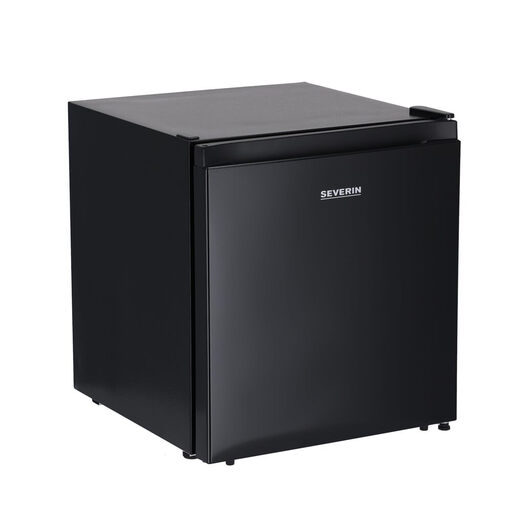
Severin KB 8879 mini fridge with freezer compartment, 45 l, black
A compact option if you need a small freezer compartment as well as space for chilled ingredients.
45 l total capacity, including a 5-l freezer compartment; the freezer compartment cannot be used as fridge space.
Joybuy
 No product image available
exquisit KGC5232-60-E-040C in inox look, 173 l
For households looking to store chilled food and frozen supplies in one appliance.
173 l total capacity, of which 52 l is freezer space. The title also mentions a 4-star freezer function.
Joybuy
 No product image available
Sonlu CS-100L single-door fridge, 82 l, energy class E
An option if you’re looking for extra fridge space without a designated freezer compartment.
82 l capacity; the product title lists energy class E.
Joybuy
 No product image available
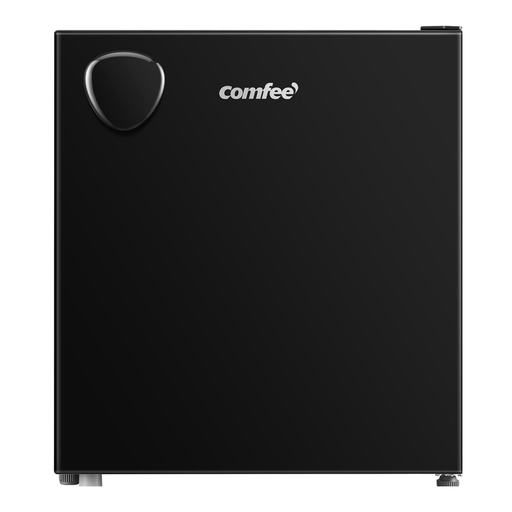
Comfee Youniq Series RCD48BL2EUY(E), 43 l
A small fridge option if you only need limited space for lunch ingredients and other food.
43 l capacity, 44,5 cm wide and with three temperature settings; the product title lists energy class E.
Joybuy
 No product image available
TCL RF120DWE0 fridge with chiller box, 90 l
An option for several lunch containers and fresh ingredients if a compact appliance would suit you.
The product title lists a total capacity of 90 l and a chiller box. Check the storage instructions for the specific foods and the actual temperature in each compartment.
Joybuy
Frequently asked questions
How long does an opened pack of hummus keep?
There isn’t a single number of days that applies to all products. Follow the instructions on the specific packaging after opening, keep the hummus chilled and use clean cutlery to serve it; the best-before date doesn’t remain unchanged once a pack has been opened. The Verbraucherzentrale recommends keeping opened vegetarian spreads chilled and using them promptly.
Is keeping hummus chilled at home enough if I take it with me for lunch?
No, you’ll also need to consider how to keep it chilled while you’re out. The Federal Institute for Risk Assessment recommends keeping perishable foods chilled while travelling; you should also follow the instructions on the specific hummus packaging.
What should I check when installing and using my fridge?
Check the external dimensions, door hinge and storage zones in the instructions for the specific appliance. Check the temperature where you store your food: a selectable appliance setting doesn’t automatically confirm the temperature inside every container.
How do I compare purchase and running costs?
Compare the consumption in kWh/year shown on the current EU energy label and calculate the electricity costs using your own tariff. According to the European Commission, household refrigeration appliances have been rated on the A to G energy efficiency scale since 1 March 2021; the older A+ to A+++ ratings aren’t part of the current scale.
Can I put my old fridge in household rubbish?
No, an old fridge must be disposed of separately as electrical waste. The Umweltbundesamt explains that when you buy a similar new appliance, large electrical items can also be returned free of charge when the new one is delivered, including for online purchases. Check the return arrangements with the retailer.


