Choose a fridge that lets you store opened hummus according to the instructions on its packaging, and take out each serving with clean cutlery. Whether a compact fridge, a fridge without a freezer or a fridge-freezer is right for you depends on the space available, your refrigeration needs and whether you actually need a freezer. Choosing a particular fridge will not, in itself, make hummus keep for longer.
Who is this guide for?
People who eat hummus over several meals
You split a pack across several meals and need an easy-to-reach spot in the fridge. The consumer advice centre recommends keeping opened products chilled and using clean cutlery to serve them. How long they can be eaten for depends on the specific product.
Households short on space
You need to compare the appliance’s external dimensions with the space available in your kitchen. The consumer advice centre points out that larger fridges tend to use more electricity.
Households that need extra freezer space
You want to store frozen food as well as chilled groceries, so it’s worth considering fridge and freezer capacity separately.
What should you look for when buying?
Compact under-counter fridge
A good fit if: You have limited space and only a few other foods to keep chilled. Check the internal capacity as well as the external dimensions. The Beko TS190030N is one example, with 88 l of fridge space.
The trade-off: Less fridge space means less room for other groceries. A compact design doesn’t automatically mean low annual energy consumption.
Fridge without a freezer compartment
A good fit if: Chilled food and easily accessible shelves matter more to you than frozen food. The Bomann VS 7339 is one example, with a usable capacity of 242 l and adjustable shelves.
The trade-off: This appliance has no freezer space. Compare its external dimensions and stated annual energy consumption with those of smaller models.
Fridge-freezer
A good fit if: You regularly want to store frozen food as well as chilled groceries. The Siemens KG39EAICA and Bosch KGE39AICA are examples with separate fridge and freezer capacities.
The trade-off: The appliance’s height, freezer capacity and energy consumption should suit your actual need for frozen storage. Fresh-food systems designed for other groceries don’t prove that opened hummus will keep for longer.
These percentages refer to consumers choosing a fridge to store opened hummus between several meals. Each figure reflects their most important buying consideration.
| Priority |
What to check when buying |
Who it matters to most |
| Suitable refrigeration |
Check that there is a fridge compartment and that you can adjust and monitor its temperature to suit the storage instructions on the packaging. |
If I’m splitting opened hummus across several meals, having a suitable fridge compartment is my top priority. Around 33% of consumers put reliable refrigeration first. |
| Easy access |
Check the shelf height and make sure your pack is easy to reach; use clean cutlery to serve each portion. |
If I’m taking the pack out of the fridge repeatedly, I need an easy-to-reach spot and a hygienic way to serve it. Around 27% of consumers prioritise organising their fridge for several meals. |
| Fridge capacity and available space |
Compare usable fridge capacity and external dimensions; only factor in freezer space if you need it. |
If my kitchen has limited space, the fridge still needs enough capacity for my other food. Around 20% of consumers weigh up space and storage needs as their main priority. |
| Running costs |
For appliances that meet your refrigeration and space needs, compare the stated kWh per year and work out the cost using your own electricity tariff. |
When choosing between suitable appliances, I want to take their running costs into account. Around 20% of consumers put energy costs first. |
Common buying and storage mistakes
-
Using the best-before date as the deadline for an opened pack
The best-before date applies to an unopened pack. Once it’s opened, germs can be introduced when you serve the food.
Note when you opened it, follow the storage and use-by guidance on that specific pack, and always use clean cutlery.
Getting the storage period wrong could mean keeping hummus for too long or throwing it away before you need to.
-
Choosing a larger appliance or a freezer just for one pack of hummus
Opened hummus needs a fridge compartment, but not necessarily extra freezer space. The right size depends on your household as a whole; according to the consumer advice centre, larger fridges tend to use more electricity.
First work out how much fridge space you need and whether you actually need a freezer. Then compare annual energy consumption in kWh across suitable appliances.
A larger appliance takes up more space and may come with higher running costs.
-
Assuming a freshness drawer will make hummus last longer
Manufacturers’ claims about freshness systems don’t prove that opened hummus will keep for longer.
Assess these features based on how useful they are for your other groceries, and follow the product-specific storage instructions for hummus.
Brands to consider
Beko
The TS190030N is an example of a compact under-counter model for limited space and modest refrigeration needs.
- For this model, Beko lists 88 l of fridge capacity, a width of 47.5 cm, a reversible door and energy efficiency class F.
- Its limited capacity and stated energy consumption should suit your space and refrigeration needs. These details apply to the TS190030N, not all Beko appliances.
Bomann
The VS 7339 is an example of a freestanding fridge with no freezer compartment.
- For the VS 7339, Bomann lists a usable capacity of 242 l, four height-adjustable glass shelves, 104 kWh per year and 40 dB.
- This model has no freezer space. These details apply to the VS 7339 and don’t necessarily apply to other Bomann appliances.
Siemens
The KG39EAICA iQ500 is an example of a fridge-freezer for households that need extra freezer space.
- For this model, Siemens lists 249 l of fridge space, 94 l of freezer space, 149 kWh per year and a pull-out shelf.
- The stated appliance height of 201 cm and the freezer compartment need to suit your household. The manufacturer’s information doesn’t prove that opened hummus will keep for longer.
Bosch
The KGE39AICA Serie 6 is another example for comparing separately stated fridge and freezer capacities.
- For this model, Bosch lists 249 l of fridge space, 94 l of freezer space and 149 kWh per year. A pull-out shelf is also included.
- A freezer compartment takes up space if you don’t need one. The advertised VitaFresh drawer doesn’t prove any special benefit for opened hummus.
Joybuy products for your needs
Joybuy models for storing opened hummus in the fridge, from compact under-counter appliances to fridge-freezers.
 No image available
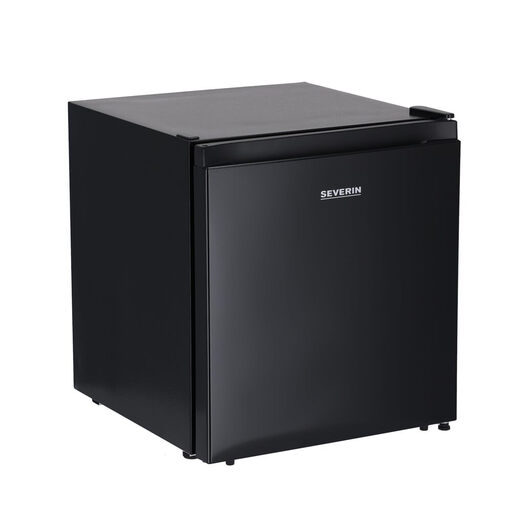
Severin KB 8879 mini fridge, 45 l, black
For limited space and modest refrigeration needs; it also has a small freezer compartment.
45 l total capacity; 5-l freezer compartment for small frozen items; adjustable thermostat; automatic defrost; removable shelf; reversible door.
View at Joybuy
 No image available
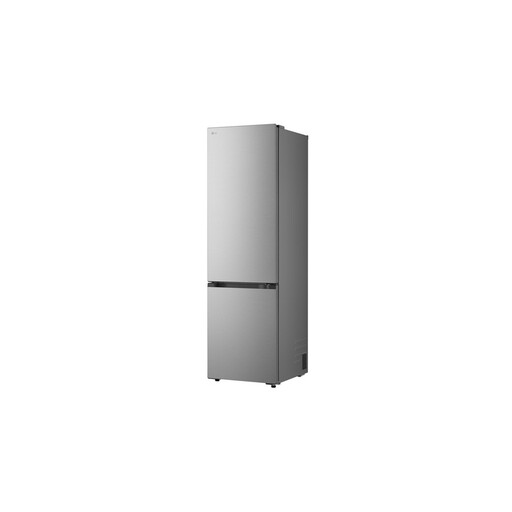
LG GBBSJ1CCPY fridge-freezer, 333 l, energy class C
For households that need separate freezer space as well as room for chilled food.
333 l total capacity: 220 l fridge space and 113 l freezer space; energy class C; No Frost; LinearCooling™; DoorCooling+™; Smart Inverter Compressor.
View at Joybuy
 No image available
LG GBBSJ2CCPY fridge-freezer, 375 l, energy class C
For separate chilled and frozen storage if you need more fridge space for groceries beyond hummus.
375 l total capacity: 262 l fridge space and 113 l freezer space; energy class C; four glass shelves; temperature display; temperature control for the fridge and freezer compartments.
View at Joybuy
 No image available
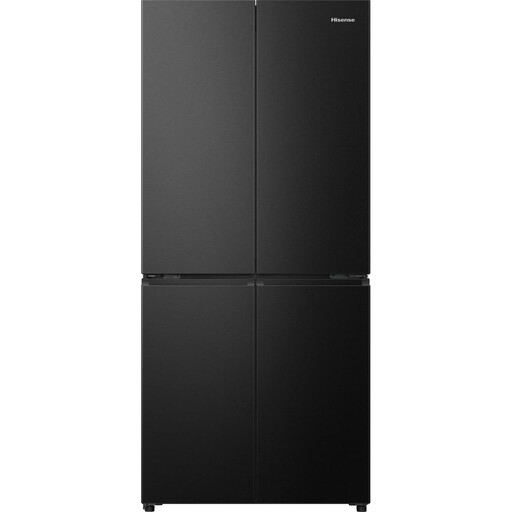
Hisense RQ5P470SAFD fridge-freezer, 483 l, energy class D
For households looking for more fridge space and a separate freezer compartment.
483 l total capacity: 304 l fridge space and 179 l freezer space; energy class D; adjustable glass shelves; electronic temperature control; LED lighting; door alarm.
View at Joybuy
 No image available
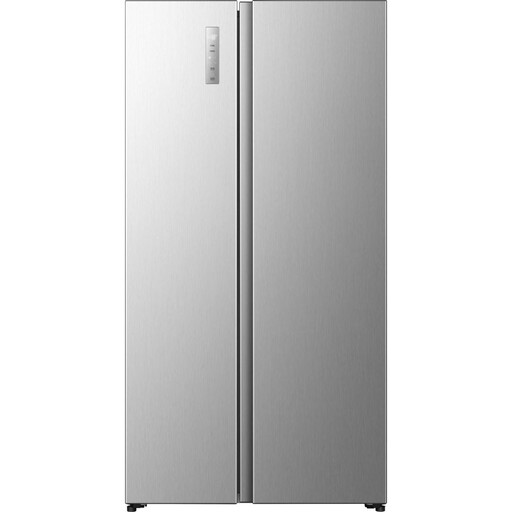
Hisense RS3P558NEIE fridge-freezer, 544 l, energy class E
For households that want to keep chilled and frozen food in separate compartments.
544 l total capacity: 347 l fridge space and 197 l freezer space; energy class E; adjustable glass shelves; electronic temperature control; LED lighting; Super Cooling function.
View at Joybuy
Frequently asked questions
How long can I keep opened hummus in the fridge?
Follow the instructions on the specific pack and use clean cutlery to serve each portion. Alnatura recommends eating its plain hummus within seven days of opening, where possible; the product-specific guidance for NENI hummus with olive oil and chickpeas says three days. These timeframes don’t apply to all products or homemade hummus.
Do I need to set every fridge to 4 °C for hummus?
No. There isn’t one temperature recommendation that applies to every food. The Federal Institute for Risk Assessment explains that temperature requirements in the home depend on the food in question. Check the storage instructions for your hummus and the temperature in the spot where you plan to keep it.
What should I check before setting up and using a fridge?
Measure the available space and compare it with the external dimensions of the model you choose. Leave an easy-to-reach spot in the fridge for the pack, and use clean cutlery every time you serve it. Always follow the instructions for setting up and using the specific appliance.
How can I compare running costs, and what happens to an old fridge?
For appliances that meet your needs, compare the stated annual energy consumption in kWh and calculate the cost using your own electricity tariff. Check the individual offer for delivery or installation charges. The German Environment Agency explains that large old appliances such as fridges can be returned free of charge when you buy a similar new appliance, including with online purchases delivered to your home. Check the specific arrangements before placing your order.
Which energy label applies when buying a fridge in Germany?
The EU energy label for covered refrigeration appliances uses classes A to G. According to the German Environment Agency, the revised label began appearing in shops from 1 March 2021. EU Regulation (EU) 2019/2016 governs energy labelling for refrigeration appliances.


