Hosts preparing salad in advance
If you buy or prepare leafy salad for a meal with others, it needs to be kept properly chilled until it is served. The Verbraucherzentrale points out that pre-cut salads spoil easily.


First, choose a style that fits your kitchen and offers enough usable fridge space for salad and the other ingredients. If you regularly store leafy greens, compare the salad drawer and its humidity controls too. For pre-cut salad, freshness features are no substitute for keeping it chilled at all times and eating it promptly, as the Verbraucherzentrale and the Federal Institute for Risk Assessment point out.
If you buy or prepare leafy salad for a meal with others, it needs to be kept properly chilled until it is served. The Verbraucherzentrale points out that pre-cut salads spoil easily.
If you regularly store salad and other vegetables beyond the day you plan to eat them, the size and ease of use of the salad drawer are important points to compare. The Verbraucherzentrale recommends removing condensation regularly.
If your fridge needs to fit into an existing alcove or a limited space, the exact dimensions and usable fridge capacity matter. The Verbraucherzentrale also notes that larger appliances can use more electricity.
Start with the style and usable fridge space. Then compare the salad drawer and temperature control before considering the stated annual energy consumption.
The Verbraucherzentrale recommends storing vegetables at an appropriate humidity level and removing condensation. For perishable foods, the Federal Institute for Risk Assessment recommends storage at 2 °C to no more than 7 °C.
| What matters when buying | What to look for | Who it matters most to |
|---|---|---|
| Keeping food chilled until mealtime | Check the temperature controls and follow the storage instructions on the packaging. The BfR recommends keeping perishable foods at 2 °C to no more than 7 °C. | If I prepare pre-cut salad for the evening, I want to be able to keep it chilled until mealtime. Around 33% of consumers put food safety and chilled storage first. |
| Conditions in the salad drawer | Compare the size and accessibility of the salad drawer, along with its stated humidity controls. You should be able to remove any condensation. | If I regularly store leafy salad, I want an easy-to-reach salad drawer where I can keep an eye on the humidity. Around 27% of consumers prioritise the conditions in the salad drawer. |
| Space and style | Compare fridge capacity, shelf layout, appliance dimensions and, where relevant, the dimensions of the housing niche. | If I need to fit ingredients for several people, what matters to me is the usable fridge space, not just the total capacity. Around 20% of consumers put space and fit first. |
| Energy consumption | For appliances with the features you need, compare the stated annual consumption in kWh and the fridge and freezer capacities. These details are shown on the EU energy label. | If I use my fridge every day, I want to weigh its annual energy consumption against the space I actually need. Around 20% of consumers prioritise running costs. |
Manufacturers’ claims about freshness drawers do not prove that pre-cut salad will keep for a specific length of time. These features are no substitute for keeping perishable foods chilled or following the use-by date.
Choose freshness features to suit what you regularly store. Keep cut salad chilled at all times and eat it promptly.
In a fridge-freezer, the total capacity is divided between the fridge and freezer compartments. For a shared meal, what matters is how much usable fridge space and salad-drawer capacity you actually have.
Compare fridge and freezer capacities separately, check the shelf layout and measure the space where the appliance will go.
An unnecessarily large appliance can increase your energy use; the Verbraucherzentrale highlights this link.
The energy-rating letter alone does not show the stated annual consumption of a particular appliance. Different capacities also make direct comparisons more difficult.
Compare the EU energy label, annual consumption in kWh and the fridge and freezer capacity that suits your household. Your electricity tariff also determines your personal energy costs.
Energy is used repeatedly throughout the appliance’s lifetime; your individual costs depend on your electricity tariff.
Models with VitaFresh may be worth considering if you want a stated freshness system as well as fridge space, and possibly a freezer compartment.
Built-in BioFresh models are one option if you have a suitable housing niche and are looking for a dedicated freshness compartment.
The freestanding HTW5620CNMP combines a stated Humidity Zone with a separate freezer compartment.
The B3RMLNE444HXB larder fridge is one option to compare if you want plenty of fridge space rather than an integrated freezer compartment.
The built-in iQ500 KI31RADD1 may be worth considering if you have a suitable housing niche and are looking for a salad drawer.
Compare the following Joybuy fridges and fridge-freezers by style, stated fridge capacity and salad-drawer features.
 No image available
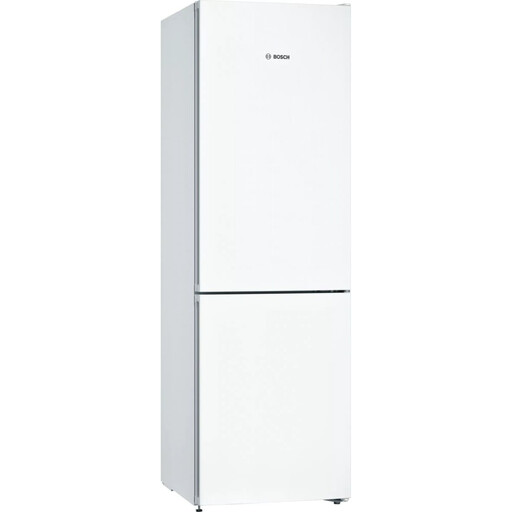
Worth considering if you want to compare a fridge-freezer with a stated VitaFresh system.
Total capacity: 326 l. The product name lists NoFrost and VitaFresh.
Bosch home appliances gives this model a fridge capacity of 237 l and a freezer capacity of 89 l.
 No image available
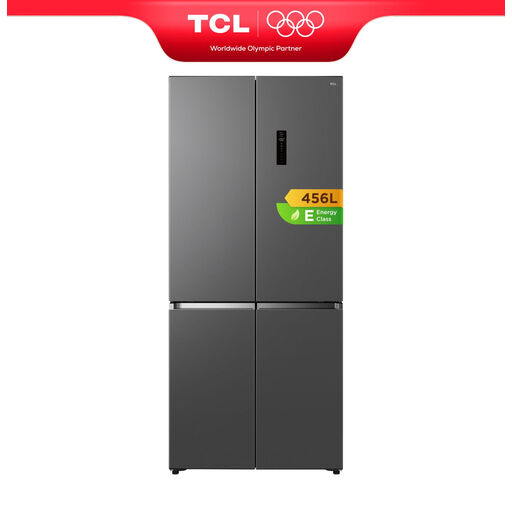
An option to compare if you want to look at the stated fridge, freezer and variable compartment capacities separately.
Fridge capacity: 312 l; freezer capacity: 66 l; variable compartment: 78 l. Energy class E.
 No image available
Could be worth comparing if a model with 173 l of total usable capacity meets your space and storage needs.
Freestanding; the product name lists LED lighting and Inoxlook-az.
 No image available
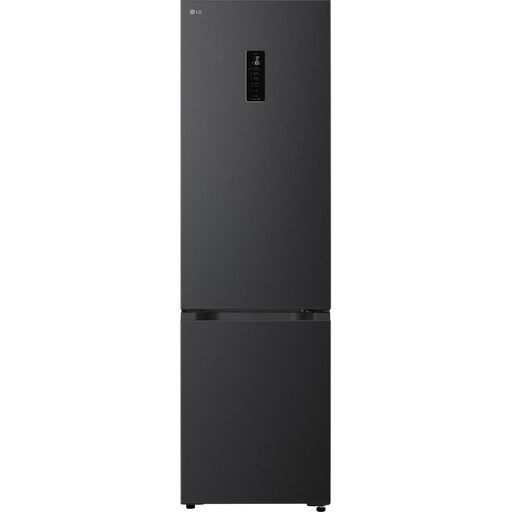
Compare it with other freestanding fridge-freezers, and check whether the stated total capacity suits your needs.
Freestanding; total capacity: 375 l. The product name lists energy class A.
 No image available
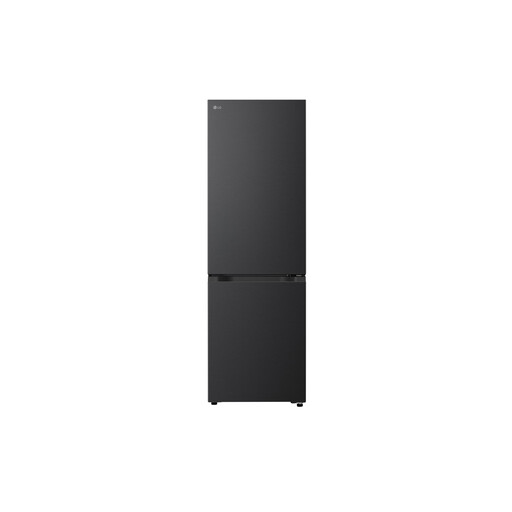
Worth considering if you want to compare an integrated model with a stated 0 °C zone.
Total capacity: 333 l. The product name lists a FRESHConverter+ 0 °C Zone and DoorCooling+.
According to the product information, a minimum side clearance of 4 mm is required for the door to open.
Keep it chilled at all times and eat it soon. The Federal Institute for Risk Assessment recommends storing perishable foods at 2 °C to no more than 7 °C; also follow the storage instructions on the packaging. The Verbraucherzentrale also recommends rinsing the leaves before eating, even if the packaging says the salad has been washed.
No, a 0-degree compartment is not generally required for storing salad. If you regularly stock up on vegetables, compare the compartment designed for this purpose and how easy it is to use. Keep it clean and remove condensation; manufacturers use different names for freshness systems.
The EU energy label includes the energy class, annual consumption in kWh and capacity, among other details. To estimate your own costs, multiply the stated annual consumption by your electricity price per kWh. Actual usage and costs may vary.
EU energy-labelling rules apply to household fridges covered by the regulations. The Verbraucherzentrale distinguishes between the statutory warranty provided by the seller and a voluntary guarantee. Old electrical appliances must not be put in household rubbish; retailers’ take-back obligations apply under certain legal conditions. For your specific purchase, check whether collection is available when your appliance is delivered.
According to the Verbraucherzentrale, consumers generally have a 14-day right to cancel contracts made online, starting from the conclusion of the contract or receipt of the goods ordered. You must notify the retailer that you wish to cancel. Check the terms and any exceptions that apply to your specific contract.