
Lieferung heute & morgen

Qualitätsgarantie

Willkommens-Angebote freischalten: KOSTENLOSE Lieferung | Bis zu 80 % RABATT | Kostenlose 30-Tage-JoyPlus-Testphase
App herunterladen
Purchasing a new fridge-freezer is a major decision for any household. The appliance runs around the clock, impacting not only the freshness of your food but also your electricity bill. However, the market is saturated with marketing promises and technical specs that often confuse more than they clarify. Many buyers only realise months later that their supposed bargain comes with expensive drawbacks.
As your Joybuy Product Recommendation Officer, I'm here to help you navigate these pitfalls. We'll focus on the facts that truly matter, enabling you to make an informed decision.
Common Pitfalls When Buying a Fridge-Freezer:
To avoid a bad purchase, you should focus on three core parameters. These form the basis for long-term satisfaction with your appliance.
Choosing the right size and design is the first step. As a rule of thumb for usable capacity:
The most common designs have specific pros and cons:
Since 2021, new EU energy labels with classes from A (very efficient) to G (less efficient) have been in effect. However, don't just look at the class; pay close attention to two values:
Modern appliances with an Inverter Compressor adjust their performance as needed, which often makes them quieter and more energy-efficient than models with conventional compressors.
The right technology ensures longer freshness and greater convenience.
Here are some recommendations tailored to different needs and households, cleverly avoiding the pitfalls mentioned.
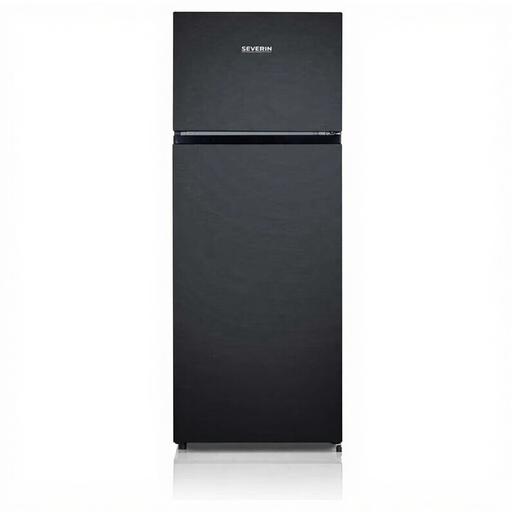
Why this model is a great fit: With a total volume of 205 litres and a compact design, this appliance is ideal for singles, couples, or as a secondary unit. The reversible door hinge offers maximum flexibility for placement in smaller kitchens or alcoves.
The stated volume is practical for its size, designed without any hidden space-wasters. The annual consumption of 176 kWh is transparent, allowing for clear cost calculation without relying solely on the energy class.
Compact dimensions and a reversible door hinge make installation straightforward, even in tight spaces.
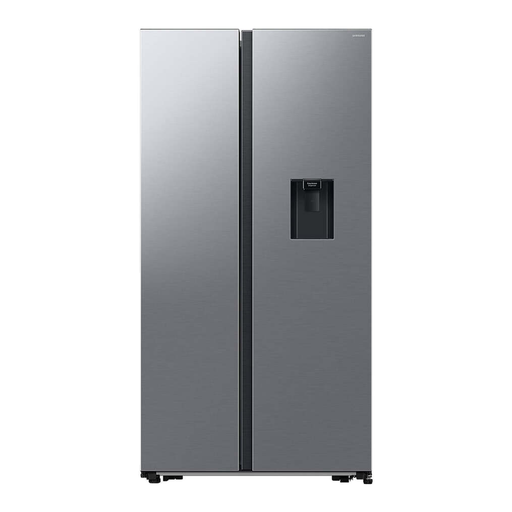
Why this model is a great fit: With 578 litres, this side-by-side fridge offers enormous space for a family's weekly shop. Smart features like AI Energy Mode and app control simplify daily life and help optimise energy consumption.
According to the manufacturer, SpaceMax technology uses thinner walls to provide more interior space within the same external dimensions. The AI Energy Mode actively addresses the energy cost trap by analysing usage patterns and optimising consumption.
Large capacity combined with intelligent energy management and practical convenience features like the integrated water dispenser.
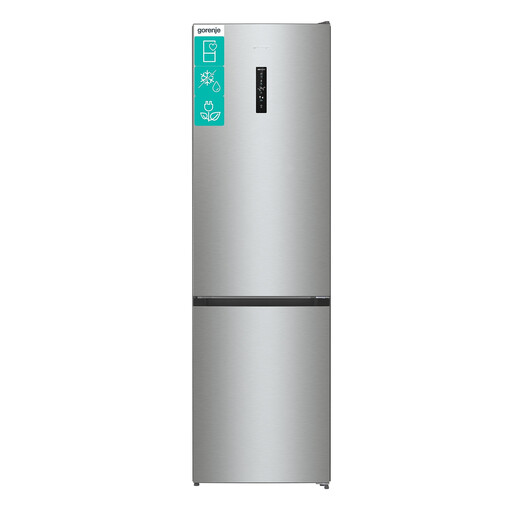
Why this model is a great fit: This model is for anyone who prioritises long-term operating costs and home comfort. With a C energy efficiency class and a very quiet operation at just 35 dB, it's a future-proof choice for modern households.
It debunks the energy trap by combining a high efficiency class (C) with a very low absolute consumption of just 158 kWh/year. Furthermore, its low noise level of 35 dB dispels the myth that No Frost systems are always loud.
Outstanding energy efficiency (Class C) and extremely quiet operation, ideal for open-plan kitchens and discerning users.
We have compiled a complete, up-to-date list of products that fully meet these strict selection criteria and German safety regulations.
1. How much electricity does a Class C fridge-freezer use? Consumption heavily depends on the size and features of the appliance. A Class C model like the Gorenje NRK620CA2XL4 (331 litres), for example, consumes 158 kWh per year. Assuming an electricity price of €0.35/kWh, this results in annual costs of around €55. Always check the kWh/a value on the energy label to calculate the exact costs for your desired model.
2. What does "No Frost" really mean, and is it always the right choice? "No Frost" means a circulation system removes moisture from the freezer compartment, preventing ice formation. This saves you the tedious task of manual defrosting. For most households, this is a very worthwhile feature. However, with very basic systems, the dry air can cause unwrapped food to dry out more quickly. Therefore, look for appliances with advanced systems like "Multi-Airflow," which ensure more even and gentle cooling.
3. What is the average lifespan of a modern fridge-freezer? The average lifespan is around 10 to 15 years. Factors such as build quality, the type of compressor (inverter compressors are considered more durable), and regular maintenance (e.g., cleaning the back coils) can positively influence its lifespan. Therefore, investing in a higher-quality appliance can pay off over the years.