What should you look for when buying?
First check how much freezer space is actually available and how big your containers are. Then look at freezing capacity and energy use. The Verbraucherzentrale recommends considering your fridge and freezer needs separately when choosing an appliance size.
| What matters when buying |
What to look for |
Who is it important to? |
| Available freezer space |
Compare the freezer capacity in litres with the space taken up by your containers and existing supplies. |
If I want to store portions of compote alongside my usual frozen food, the space that’s actually free is what counts. Around 40% of consumers put having enough freezer space at the top of their list. |
| Larger fresh batches |
Check the specific model’s freezing capacity in kg/24 h; this is not the same as freezer capacity. |
If I often freeze a larger freshly prepared batch at once, I want to choose storage space and freezing capacity to suit the amount. Around 23% of consumers put freezing larger quantities at the top of their list. |
| Energy use |
For appliances of a suitable size, compare the kWh/year on the EU energy label; actual energy use also depends on where and how the appliance is used. |
If I’m choosing an appliance to run all the time, I want enough freezer space without unnecessarily large dimensions. Around 23% of consumers put energy use at the top of their list. |
| Fitting in your kitchen |
Check the width, height and depth, as well as the door hinge and model-specific clearances. |
If there’s little room beside a wall or furniture, the door needs to open far enough for you to use the drawers. Around 14% of consumers prioritise fit and ease of use. |
Fridge-freezers at Joybuy
These models offer different freezer capacities, freezing capacities and space requirements for families who want to freeze food as well as keep everyday items chilled. Compare the details for each model with the space you have available and the portions you usually freeze.
 No image available
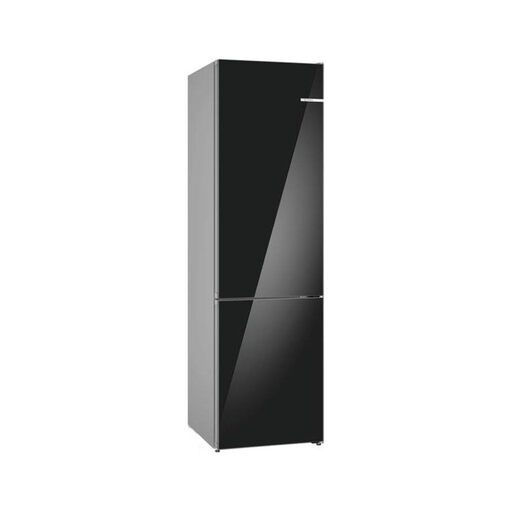
Bosch Serie 6 KGN39LBCF, 363 l, class C
The stated freezer capacity and freezing capacity help you check whether this model suits your containers and usual batch size.
Freestanding fridge-freezer with NoFrost; 103 l of freezer capacity, a freezing capacity of 10 kg/24 h and 162 kWh/year. Total capacity: 363 l.
View at Joybuy
 No image available
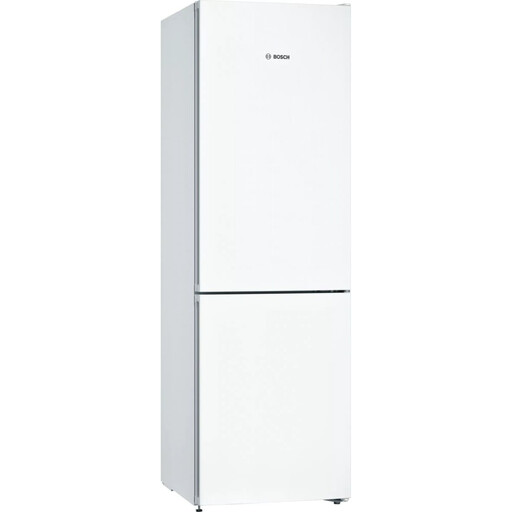
Bosch Serie 4 KGN36VWED, 326 l, class E
Compare the stated freezer space with the amount of frozen food you want to store alongside your portions of compote.
NoFrost and SuperFreezing; 87 l of freezer capacity and a freezing capacity of 10–14 kg/24 h. Annual energy use is listed as 238 kWh. Total capacity: 326 l.
Dimensions: 60 × 186 × 66 cm; reversible door.
View at Joybuy
 No image available
LG GBBSJ1CCPY, 333 l, class C
The freezer capacity and stated freezing capacity are useful guides for families planning to freeze portions and the occasional larger batch.
Total No Frost; 113 l of freezer capacity, a freezing capacity of 10 kg/24 h and 169 kWh/year. Total capacity: 333 l.
Dimensions: 597 × 1860 × 674 mm; reversible door. A fast-freeze function is listed.
View at Joybuy
 No image available
exquisit KGC5232-60-E-040C, 173 l, class C
Its stated compact width may suit a tight space; also check the door opening and the amount of freezer space you need.
121 l of fridge capacity and 52 l of freezer capacity; 124 kWh/year. Dimensions: 142.5 × 49.5 × 56.0 cm; reversible door.
View at Joybuy
 No image available
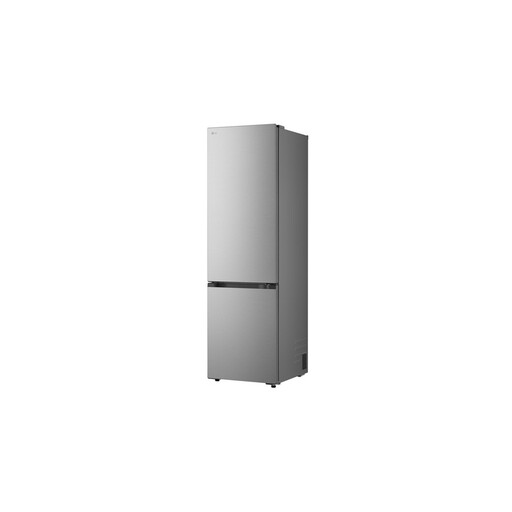
LG GBBSJ2CCPY, 375 l, class C
Check that the stated freezer capacity and drawer layout suit your containers and supplies.
Total No Frost; 113 l of freezer capacity and 175 kWh/year. Total capacity: 375 l; three freezer drawers are listed.
Dimensions: 597 × 2030 × 674 mm; reversible door.
View at Joybuy
Frequently asked questions
How should I freeze apple compote after cooking?
Cool the compote promptly, then divide it into portions and transfer it to suitable, labelled containers. Leave room for expansion if the contents are liquid; the Verbraucherzentrale suggests filling containers to around three-quarters full. The Federal Centre for Nutrition recommends avoiding placing new portions directly on top of food that is already frozen.
Does a family fridge-freezer need to have NoFrost?
No. First and foremost, you need enough freezer space and reasonable energy use. According to the manufacturers, NoFrost means the specific models listed don’t need manual defrosting; LowFrost reduces the need to defrost but doesn’t eliminate it completely. Compare the details for the specific model and decide how important defrosting convenience is to you.
Which energy figure should I compare?
Compare the kWh/year on the EU energy label for appliances of a suitable size. The figure is measured under standardised conditions, so your actual energy use may vary depending on where and how you use the appliance. To estimate your own costs, multiply the annual energy use by your electricity price per kWh.
Is the old A+++ label still the current rating?
No. Since 2021, the EU energy label for fridges has used a scale from A to G, without plus ratings. When comparing a current offer, check the label for the exact model.


