What should you look for when buying?
Fridge freezer with more fridge space
A good fit if: most of the portions you prepare together will be eaten within a few days, and you need space for several shallow, covered containers at once.
The trade-off: Check fridge and freezer capacities separately. Plenty of shelf space won’t help if there isn’t enough freezer room for portions you plan to eat later.
Fridge freezer with a larger freezer compartment
A good fit if: you regularly make more portions than you can eat while they’re still chilled.
The trade-off: More freezer space takes up room. Compare the stated capacity with the annual energy consumption of the specific model.
More compact freestanding appliance
A good fit if: space is limited and you only need to store a few portions at a time.
The trade-off: Measure the available space, door clearance and your containers. If you cook larger quantities, the smaller freezer compartment may become a bottleneck.
When planning to cook together, check fridge space, freezer capacity, dimensions and annual energy consumption separately rather than choosing on total capacity alone.
| What you need |
What to check when buying |
Who is it most relevant to? |
| Chill cooked portions |
Usable shelf height and space for your containers; whether you can set and check the temperature. |
If I need to chill several shallow, covered containers after cooking together, I need practical shelves and a temperature I can check. Around 31% of consumers prioritise safe, well-organised chilling. |
| Freeze portions |
Compare freezer capacity separately from fridge capacity; check whether the drawers fit your portion containers. |
If I want to save meals for later in the week, I need enough room in the freezer compartment. Around 25% of consumers prioritise freezer space for portions planned for later. |
| Fit the appliance and containers |
Check fridge and freezer capacities, as well as the height, width, depth and door clearance, against your kitchen and containers. |
If space is limited, I want to know in advance that both the appliance and my food containers will fit. Around 25% of consumers prioritise making sure the space and containers are a good fit. |
| Keep an eye on energy use |
For appliances with enough capacity, compare the kWh per year on the current EU energy label. |
As the appliance runs all the time, I want to consider its stated annual energy consumption alongside the storage space I need. Around 19% of consumers put ongoing electricity costs first. |
Joybuy models for chilled and frozen portions
The Joybuy models below have separate fridge and freezer compartments. Their stated capacities and dimensions can help you check how well each one fits your cooking plans, containers and available space.
 No image available
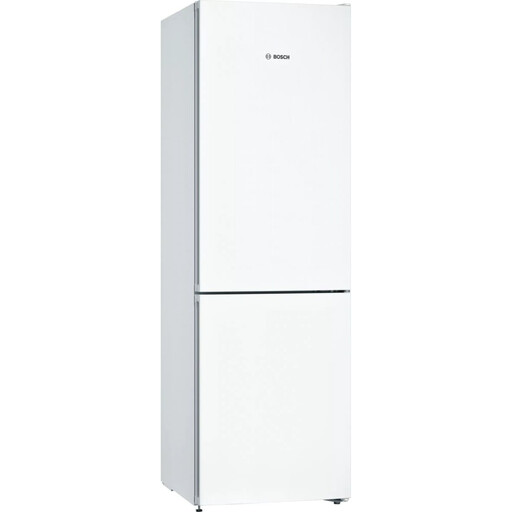
Bosch Serie 4 KGN36VWED
Both usable capacities are stated, making it easier to plan chilled and frozen portions separately.
237 l fridge capacity and 89 l freezer capacity; 326 l total net capacity.
Four glass shelves, two of which are adjustable, three freezer drawers and NoFrost.
Joybuy
 No image available
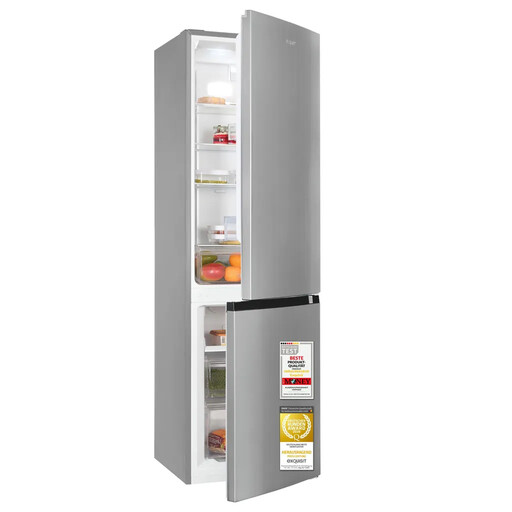
Exquisit KGC5265-70-NF-040C
If space is limited, you can compare the stated width with the room available.
182 l fridge capacity and 71 l freezer capacity; 54,5 cm wide.
NoFrost and electronic temperature control are listed.
Joybuy
 No image available
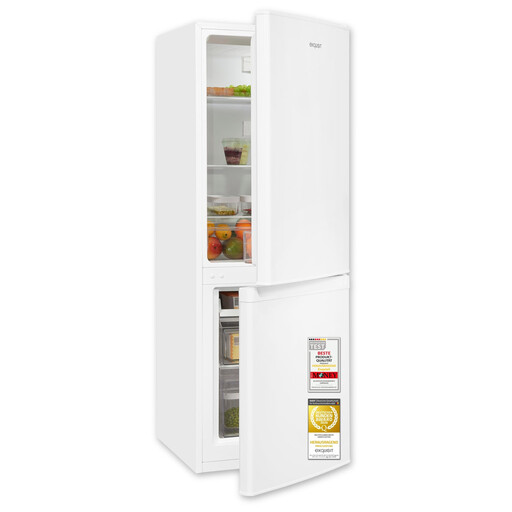
Exquisit KGC5232-60-E-040E, white
The separate usable capacities make it easier to plan chilled and frozen portions independently.
121 l fridge capacity and 52 l freezer capacity; 173 l net capacity.
Appliance dimensions: 142,5 × 49,5 × 56,0 cm. An adjustable glass shelf and an audible open-door alarm are listed.
Joybuy
 No image available
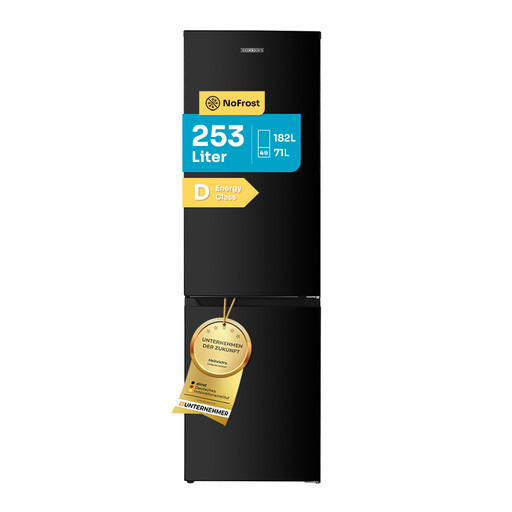
Heinrich’s fridge freezer, 253 l
Both usable capacities are stated, helping you plan how to split cooked portions between the fridge and freezer.
182 l fridge capacity and 71 l freezer capacity.
NoFrost, adjustable temperature control and large freezer drawers are listed.
Joybuy
 No image available
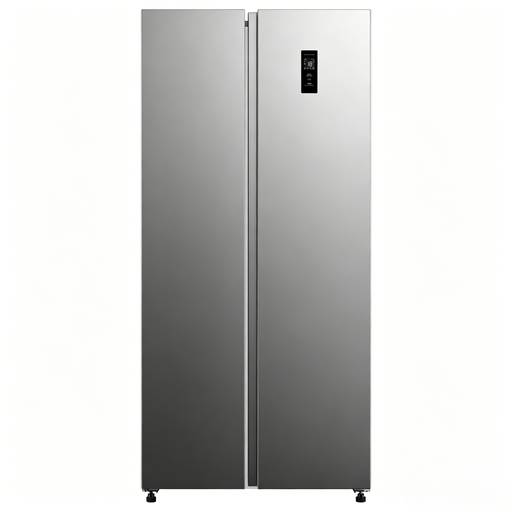
Sonlu CC-520WE Side-by-Side
Compare the separate fridge and freezer capacities with your needs for portions to chill straight away and store for longer.
276 l fridge capacity and 168 l freezer capacity; 444 l total net capacity.
Appliance dimensions: 830 × 610 × 1785 mm. Four glass shelves in each compartment and separate digital temperature settings are listed.
Joybuy
Frequently asked questions
How long should vegetables cooked in a batch stay in the fridge?
The German Federal Institute for Risk Assessment recommends keeping leftovers in the fridge and eating them within two to three days. Chilling doesn’t make a meal last indefinitely, so freeze portions if you plan to eat them later.
What should I do straight after cooking?
Divide larger quantities between several shallow containers, cool them quickly and store them covered. The BfR recommends keeping perishable foods in the fridge at 2 °C to no more than 7 °C, and advises cooling hot food quickly to below 7 °C if you’re storing it for longer.
How can I compare the running costs of different appliances?
First compare appliances with enough capacity by their stated kWh per year. To estimate your own costs, multiply this figure by the same electricity tariff in €/kWh; actual energy use may vary depending on installation and use.
What should I check about delivery, my old appliance and the warranty?
Before ordering, check whether delivery to the installation location, connection and removal of your old appliance are included in the specific offer. Germany has legally regulated take-back options for old electrical appliances, but free take-back doesn’t automatically mean installation or connection is free. Check your statutory rights if the product is faulty and any additional manufacturer’s warranty separately, using the relevant terms and conditions.
Which energy label applies when buying a new appliance in Germany?
The current EU energy scale for fridges runs from A to G; the old plus ratings have not been used since 2021. Compare the current label and the stated kWh per year as well.


