What should you look for when buying?
If you eat bread rolls at different times, the main thing is whether you can store small portions separately in the freezer and reach them easily. Then compare freezer capacity, appliance dimensions, energy information and defrosting type to narrow down your options.
| Priority |
What to check before buying |
Who is it most important for? |
| Storing portions separately |
Check the number, shape and accessibility of the freezer drawers. Allow for suitable freezer containers or bags that you can label. |
I want to take out only the amount I need and easily find small portions again. Around 36% of consumers say portioning is their main priority. |
| Space for other frozen food |
Compare the stated freezer capacity in litres and the internal layout with the food you usually store. |
If you regularly put other food in the freezer alongside bread rolls, there needs to be enough room for it. Around 29% of consumers say extra freezer space is their main priority. |
| Energy use and floor space |
Compare the external dimensions, separate fridge and freezer capacities, and annual energy use in kWh on the EU energy label. The European Commission explains what the figures mean. |
I want an appliance that fits the space available without allowing for more freezer capacity than I need. Around 21% of consumers prioritise energy use and floor space. |
| Defrosting requirements |
Check the specifications for the exact model to see whether it has NoFrost or just LowFrost. |
If I want to minimise manual defrosting, the specific features matter. Around 14% of consumers say minimising defrosting is their main priority. |
Fridge freezers at Joybuy
These models cater for different needs, from a smaller freezer compartment to more stated freezer capacity and NoFrost. Compare the capacities, dimensions and features with the food you store and the space available.
 No image available
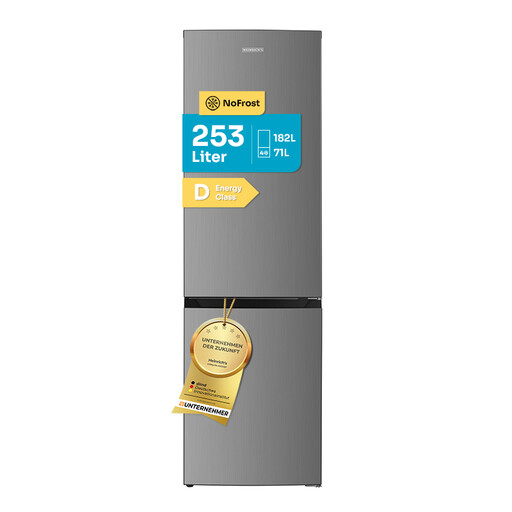
Heinrich’s fridge freezer, 253 l, NoFrost
The separate freezer compartment provides 71 l of space for bread rolls and other frozen food.
Total capacity: 253 l; fridge compartment: 182 l; freezer compartment: 71 l. The product title lists NoFrost, energy efficiency class D and 39 dB.
View at Joybuy
 No image available
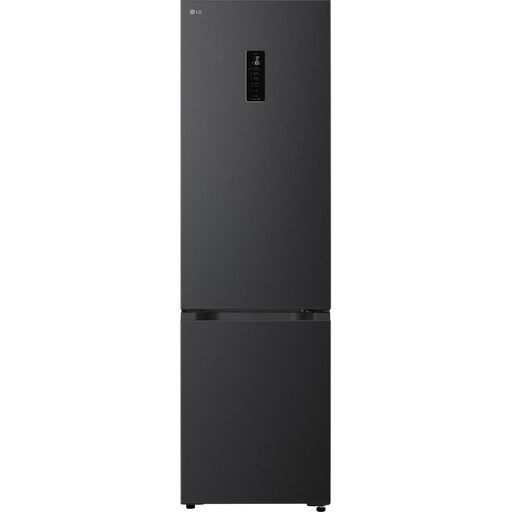
LG GBBS727AEV Fit&Max, 375 l, energy class A
With a stated freezer capacity of 113 l, this model is an option if you need room for other frozen food as well as bread rolls.
Total capacity: 375 l; freezer compartment: 113 l; energy efficiency class A; 112 kWh/year. Height: 203 cm; depth: 67,5 cm. The Zero-Clearance+ design requires a door opening of at least 110°.
This model is listed as Total No Frost and freestanding, with the freezer compartment at the bottom.
View at Joybuy
 No image available
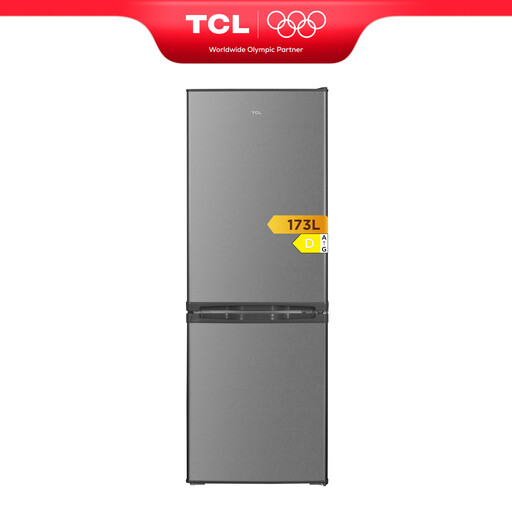
TCL RF225BID0DE, 173 l, energy class D
The separate 52 l freezer compartment is intended for portions of bread rolls and smaller amounts of frozen food.
Total capacity: 173 l; fridge compartment: 121 l; freezer compartment: 52 l. Adjustable shelves and LED lighting are listed in the product title.
View at Joybuy
 No image available
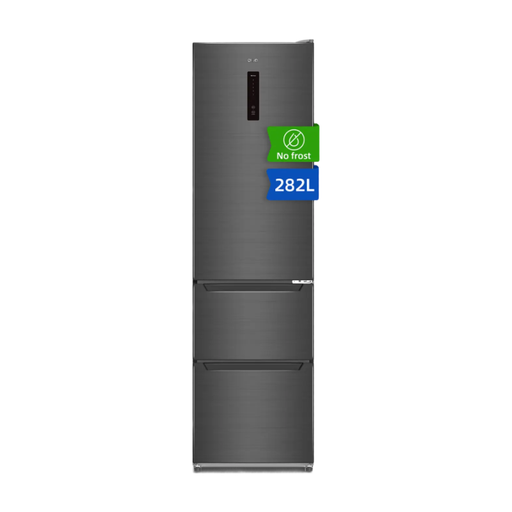
CHiQ CID282NEIBE, 282 l, No Frost
This model is described as a multi-door fridge freezer with separate storage areas, including a freezer compartment.
Total capacity: 282 l; width: 54 cm; height: 192 cm; energy efficiency class E; 233 kWh/year. No Frost, Dual Inverter and touch controls are listed for this model.
View at Joybuy
 No image available
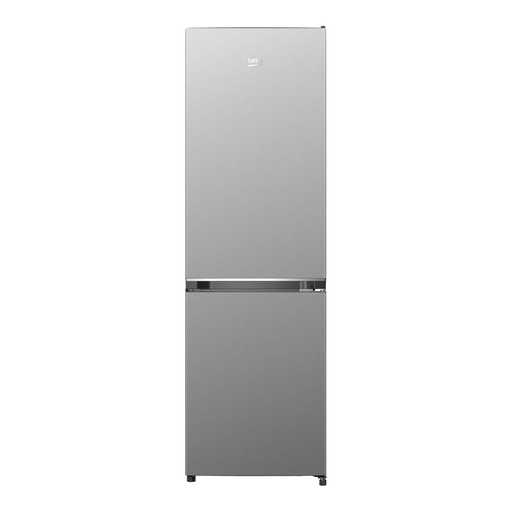
Beko B3RCNO255XB, 250 l, No Frost
The stated 70 l freezer compartment provides separate space for bread rolls and other food.
Total capacity: 250 l; fridge compartment: 180 l; freezer compartment: 70 l; energy efficiency class D; 172 kWh/year. Dimensions: 180 cm high, 54 cm wide and 57,6 cm deep. No Frost is listed for this model.
View at Joybuy
Frequently asked questions
Should I keep bread rolls for later in the fridge or freezer?
Freezing bread rolls you want to keep for later lets you take them out a portion at a time. According to the consumer advice centre, bread goes stale more quickly in the fridge, although it notes an exception for certain warm, humid conditions.
How should I label frozen portions of bread rolls?
Label suitable freezer containers or bags with their contents and the date they were frozen. The consumer advice centre also suggests putting baked goods straight into the oven to heat them up. Check the preparation instructions for the product too.
What temperature should I aim for in the freezer?
The consumer advice centre recommends −18 °C as the ideal temperature for a freezer. This is a guide for using the appliance, not a general buying criterion for a particular model range.
Which details should I compare on the energy label?
The EU energy label for household refrigeration appliances shows, among other things, the energy efficiency class from A to G, annual energy use in kWh, fridge and freezer capacity, and noise emissions. The European Commission explains these details. Compare the figures for the exact model.
What should I check before buying about returning my old fridge?
Before buying, check with the retailer how the return of your old appliance will be arranged. The German Federal Ministry for the Environment points out that online retailers have take-back obligations. For certain appliances, free collection from your home is available if agreed as part of the purchase contract.


