
Lieferung heute & morgen

Qualitätsgarantie

Willkommens-Angebote freischalten: KOSTENLOSE Lieferung | Bis zu 80 % RABATT | Kostenlose 30-Tage-JoyPlus-Testphase
App herunterladen
Purchasing a new fridge-freezer is a major decision for any household. But the market is flooded with marketing promises and technical specs that often confuse more than they clarify. Too often, well-intentioned purchases lead to disappointment: a supposedly economical appliance turns out to be an energy guzzler, a model advertised as "quiet" disrupts the peace in an open-plan kitchen, or a "No-Frost" feature still requires manual defrosting. As your Joybuy Product Recommendation Officer, I'm here to help you navigate these pitfalls and make an informed decision.
Before we dive into the features worth looking for, it's important to understand the most common misconceptions that lead to bad purchases.
To find the right appliance, you should check three core aspects. These will help you objectively evaluate performance and running costs.
The EU energy label (Scale A to G) provides a good initial orientation. However, for a true cost comparison, the "kWh/annum" (kilowatt-hours per year) value is essential. Multiply this value by your current electricity price (per kWh) to determine the annual operating costs. This allows you to identify an energy-efficient model that truly fits your budget.
The size of the appliance should be based on the size of your household. A common rule of thumb is:
Also, consider which design type suits you best. A classic fridge-freezer with the freezer at the bottom is often narrower and fits into many kitchens. A side-by-side fridge offers significantly more space and often includes extra features like a water dispenser, but it also requires more floor space. Most models are freestanding, offering flexibility in placement.
A Total No-Frost system prevents ice build-up through constant air circulation. This not only saves you the tedious task of defrosting but also ensures more even cooling and more efficient operation. Pay attention to the exact name of the technology. For open-plan living spaces, the noise emission in decibels (dB) is a critical factor. Values below 38 dB are considered very quiet and are barely perceptible. Models with an inverter compressor often have an advantage here, as they adjust their power based on demand and run at full capacity less frequently.
Here are some models that represent a smart choice for different needs, based on objective criteria.
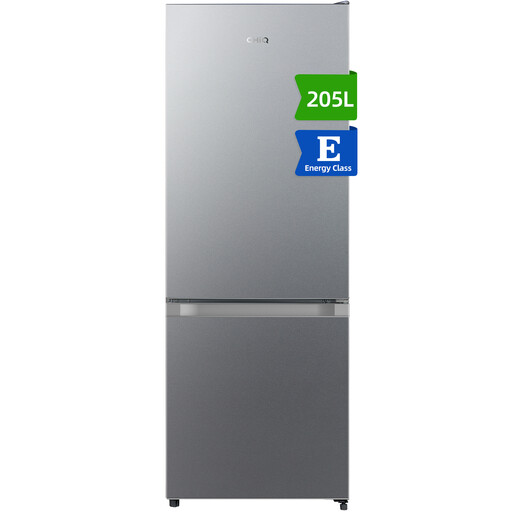
Why it's a great fit: Ideal for singles, couples, or small shared flats looking for a compact and functional appliance without unnecessary extras. With 205 litres of usable capacity, it offers enough space for a weekly shop.
This model is honestly advertised as "Low Frost." It doesn't promise a full No-Frost function but significantly reduces ice build-up, offering a good compromise in the entry-level segment.
Compact 54 cm width, ideal for smaller kitchens. The door hinge is reversible, allowing for flexible placement.
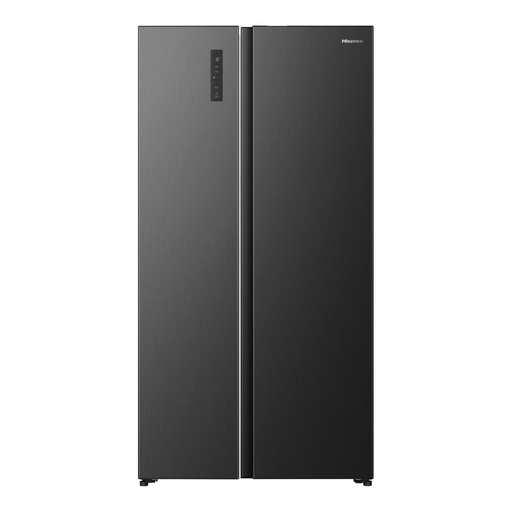
Why it's a great fit: With 544 litres of usable capacity, this side-by-side fridge offers a huge amount of space for a large family's grocery haul. The elegant design in black blends well into modern kitchens.
The appliance avoids the noise trap with an objectively very quiet operating noise of just 35 dB. This makes it suitable even for open-plan kitchens without disturbing the home's ambiance.
Features Total No-Frost technology, which makes manual defrosting obsolete. The Multi-Airflow system ensures even cooling throughout the interior.
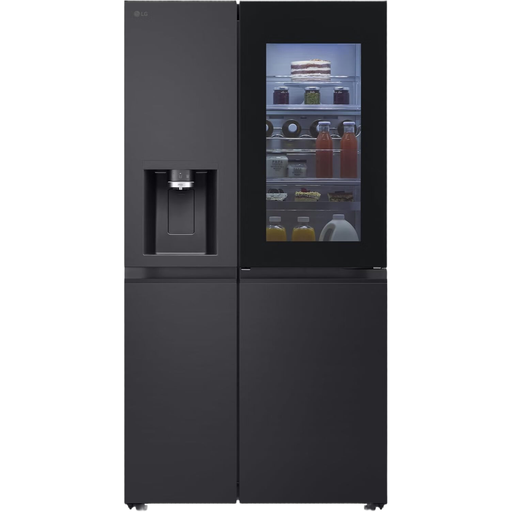
Why it's a great fit: For users who value innovative features, a large capacity (628 litres), and a modern design. The InstaView function is a technical highlight with practical benefits.
The InstaView technology (knock to see inside) is more than a gimmick: it reduces cold air loss because the door needs to be opened less often. This has a positive impact on energy consumption and avoids the trap of empty marketing promises.
Total No Frost prevents ice build-up. The Door-in-Door system allows quick access to frequently used items, and the integrated water dispenser offers added convenience.
Many modern fridge-freezers, especially side-by-side models, come with integrated ice and water dispensers. We've compiled a list of appliances that offer these convenient features.
Electricity consumption depends heavily on the size, energy efficiency class, and usage. An energy-efficient Class C model with around 360 litres of usable capacity consumes about 160-170 kWh per year. An older appliance can easily use double or triple that amount. Always check the annual consumption in kWh on the energy label to estimate the real costs.
The No-Frost feature prevents the formation of ice and frost in the freezer section by circulating cold, dry air and wicking away moisture. This completely eliminates the need for manual defrosting. Look for the "Total No-Frost" designation, as this ensures that both the fridge and freezer sections benefit from this technology, guaranteeing an even temperature distribution.
The average lifespan of a fridge-freezer is about 10 to 15 years. The actual durability depends on the quality of the appliance, its internal technology (e.g., inverter compressor), and regular maintenance. Good ventilation in its location and avoiding direct sunlight can also positively influence its lifespan.