
Lieferung heute & morgen

Qualitätsgarantie

Willkommens-Angebote freischalten: KOSTENLOSE Lieferung | Bis zu 80 % RABATT | Kostenlose 30-Tage-JoyPlus-Testphase
App herunterladen
Purchasing a new fridge freezer is a major decision for any household. The right appliance keeps food fresh for longer, operates quietly, and blends seamlessly into your kitchen. But the market is flooded with marketing promises and technical specs that often confuse more than they clarify. As your Joybuy Product Recommendation Officer, I'm here to help you separate fact from fiction and find a model that truly fits your needs.
Before we dive into the key features, let's highlight the typical traps that often lead to disappointment and unnecessary expense.
To make the right choice, focus on these three objective criteria. They form the basis for long-term satisfaction with your appliance.
The first question should always be: How much space do I need? A common rule of thumb is that one person requires about 100 litres of fridge capacity, with an additional 50 litres for each subsequent person in the household.
An energy-efficient fridge freezer not only protects the environment but also your wallet. Pay attention to two key figures:
Modern appliances offer features that make daily life easier. Consider which of these are relevant to you:
Here are some models that represent a considered choice for different user profiles, based on objective criteria.
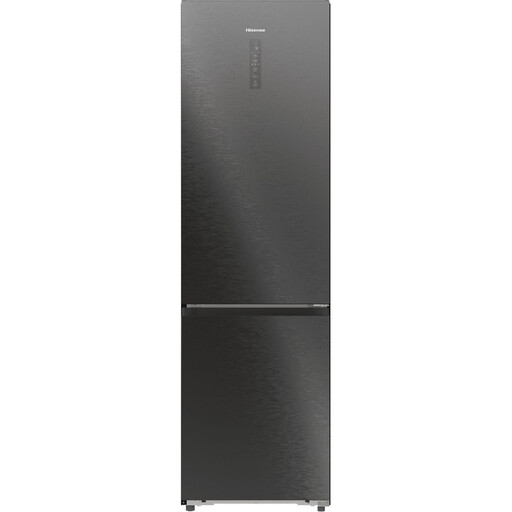
Why this model is a great fit: With a total capacity of 413 litres, it offers plenty of space for a family's weekly grocery haul. The combination of good energy efficiency and quiet operation makes it a solid choice for everyday use.
The appliance features Total No Frost, making defrosting in both compartments unnecessary. At 34 dB, it is also very quiet, bypassing the noise trap in open-plan kitchens.
A balanced combination of large capacity, a good C energy efficiency class, and very low operating noise.
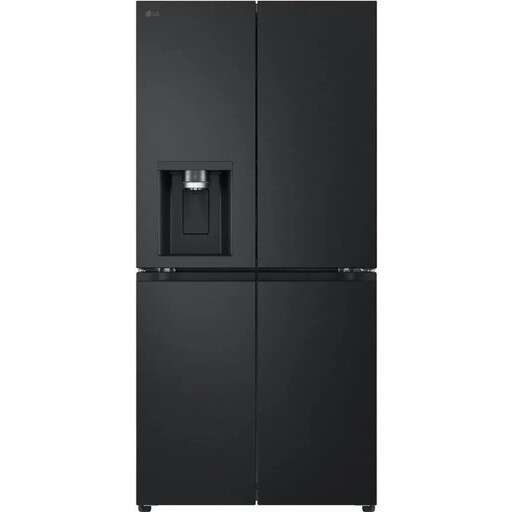
Why this model is a great fit: Ideal for modern, open-plan kitchens where the refrigerator is a design statement. The combination of a French Door layout, black finish, and smart features like app control and InstaView appeals to tech-savvy users.
With InstaView and the UVnano water dispenser (which LG claims reduces bacteria), it offers real added value rather than mere gimmicks. The energy consumption is transparently stated for its large capacity.
Advanced convenience features and a flexible multi-door layout with a generous 506 litres of capacity.
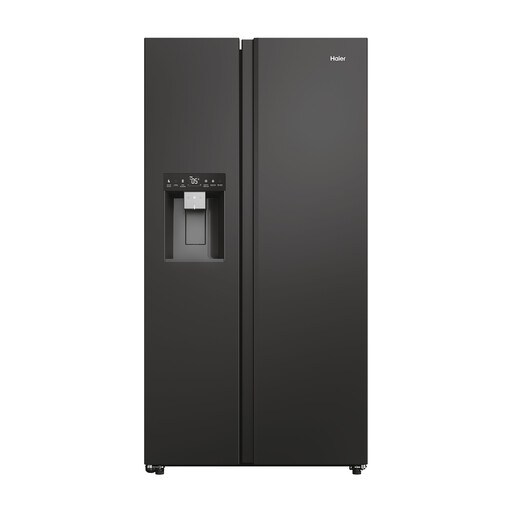
Why this model is a great fit: With a massive 601-litre capacity, this side-by-side refrigerator is the solution for large families or anyone who likes to buy in bulk. The plumbed-in water and ice dispenser offers added convenience.
The Total No Frost technology, combined with the Multi Air Flow system, ensures even cooling and prevents ice build-up, even in this large volume.
Enormous storage capacity of 601 litres and the convenience of a plumbed-in water and ice dispenser.
We have compiled a complete, up-to-date list of products that fully meet these strict selection criteria.
1. How much clearance does a freestanding fridge freezer need from the wall? For sufficient air circulation and efficient cooling performance, it is recommended to leave about 5 cm of space on each side and about 5-10 cm at the back, between the appliance and walls or other furniture. Always refer to the specific instructions in the manufacturer's installation manual.
2. What does the climate class (SN, N, ST, T) on a refrigerator mean? The climate class indicates the optimal ambient temperature range in which the appliance operates efficiently.
3. What are the approximate annual running costs for an energy-efficient fridge freezer? The costs depend on the annual consumption (kWh) and your electricity tariff. For example: an appliance with a consumption of 170 kWh/year at an electricity price of €0.30/kWh will have annual costs of €51 (170 * 0.30). A less efficient model with 280 kWh/year would cost €84 at the same rate. So, it's well worth checking the kWh value on the energy label.