
Lieferung heute & morgen

Qualitätsgarantie

Willkommens-Angebote freischalten: KOSTENLOSE Lieferung | Bis zu 80 % RABATT | Kostenlose 30-Tage-JoyPlus-Testphase
App herunterladen
Purchasing a new fridge-freezer is a long-term investment. But the market is flooded with marketing promises and technical jargon that make the choice difficult. Many appliances quickly prove to be impractical or hidden energy hogs. This guide will help you identify the crucial features and avoid common pitfalls, so you can find a model that truly fits your household.
By: Joybuy Product Recommendation OfficerDate: July 28, 2026
Before we dive into the important parameters, let's look at the most common sources of error that lead to dissatisfaction. If you know what to watch out for, you can search for the right appliance more effectively.
To make an informed decision, focus on the following three objective criteria. These determine the everyday usability and long-term running costs of your appliance.
Since 2021, the new EU energy label with classes from A (very efficient) to G (less efficient) has been in effect. An energy-efficient fridge-freezer can save significant electricity costs over its lifespan. However, don't just look at the class; pay close attention to the annual energy consumption in kilowatt-hours (kWh/a). This value is stated on the energy label and allows for a direct cost comparison between different models. A Class C appliance may, in some cases, have similar consumption to a Class B appliance but be cheaper to purchase.
Before buying, measure the intended niche precisely and plan for about 5 cm of clearance on the sides and back for air circulation. This is especially important for a freestanding fridge-freezer to prevent the compressor from overheating.
No-Frost technology prevents ice build-up in the freezer compartment using a circulating air system that reduces humidity. This not only saves you from defrosting but also ensures a constant temperature and more efficient operation.
The Climate Class indicates the optimal ambient temperature range for the appliance's operation:
An appliance with an SN-T class is the most flexible and will function reliably across a wide temperature range, which is particularly important if the unit will be placed in an unheated basement or a warm attic apartment.
Here are some models that, based on objective features, are well-suited for different needs and households.
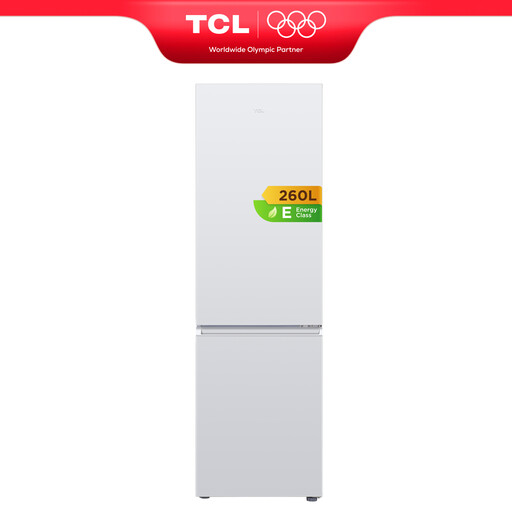
Why it's a great fit: Ideal for small to medium-sized households or kitchens with limited space. It focuses on core functions without costly extras, offering solid value for money.
At 55 cm wide, this model offers a compact but clearly defined capacity (187L fridge / 73L freezer). The adjustable shelves maximize usable space, avoiding the trap of impractical storage.
Compact design: Fits into narrow niches. Flexibility: Features a reversible door hinge and height-adjustable feet for easy installation.
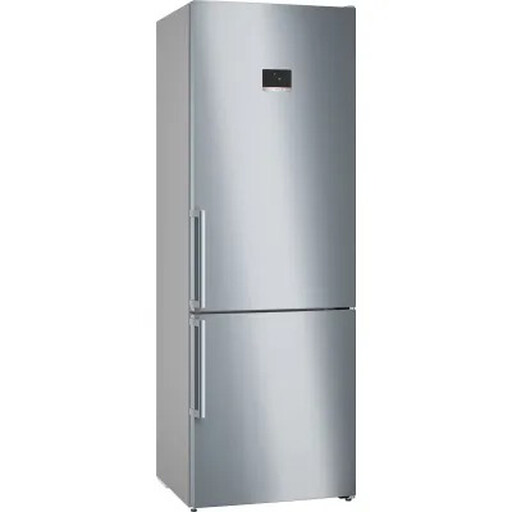
Why it's a great fit: For larger households that value durability, high energy efficiency, and advanced food preservation features. Its large volume and quiet operation are perfect for open-plan kitchens.
This model avoids the noise trap with a very low operating sound level of just 35 dB. Additionally, the VitaFresh XXL system provides demonstrably better preservation for delicate foods, going beyond a mere marketing promise.
High efficiency: Energy Class B with only 142 kWh/a consumption. Specialised storage: VitaFresh drawers for fish, meat, fruits, and vegetables. Stainless steel-look finish with anti-fingerprint coating.
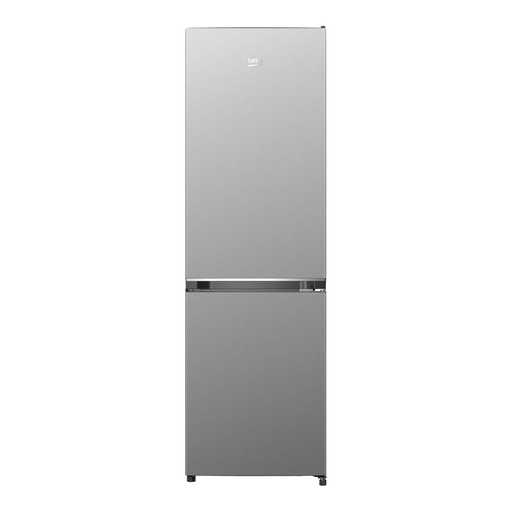
Why it's a great fit: A solution for users who need an appliance for special locations like a cool basement or a garage. Its slim 54 cm design also makes it ideal for compact kitchens.
This appliance directly addresses the climate class issue. While many standard refrigerators fail at temperatures below 10 °C, this model is designed to operate in ambient temperatures as low as -15 °C—a rare and valuable feature.
Extended operating range: Works reliably in unheated rooms. Efficient No Frost: Prevents icing and manual defrosting. Quiet operation at 39 dB.
Choosing the right appliance depends on your individual needs. We've compiled a comprehensive overview of models that meet objective criteria.
A good rule of thumb is to plan for about 150 litres of total usable capacity for a one- or two-person household. You should budget an additional 50 litres for each extra person in the household. Also, consider your shopping habits: those who shop less frequently and store more in bulk will tend to need more space.
No-Frost technology uses a circulating air system to prevent the formation of ice layers in the freezer compartment. The main advantage is the elimination of manual defrosting. It also keeps temperatures more stable, which benefits energy efficiency and the longevity of your food. However, on very cheap appliances, the technology can lead to slightly increased noise levels or power consumption. For most households, the convenience benefits far outweigh the drawbacks.
Loudness is measured in decibels (dB). A value below 38 dB is considered very quiet and is recommended for open-plan kitchens or noise-sensitive individuals. Appliances with values between 39 and 41 dB are still relatively quiet but may be audible in quiet moments. Models above 42 dB are often perceived as disruptive in a silent environment.