
Lieferung heute & morgen

Qualitätsgarantie

Willkommens-Angebote freischalten: KOSTENLOSE Lieferung | Bis zu 80 % RABATT | Kostenlose 30-Tage-JoyPlus-Testphase
App herunterladen
Purchasing a new fridge-freezer is a decision that will impact your daily life for years. But the market is flooded with marketing promises and technical specs that confuse more than they clarify. Many buyers invest in features they don't need or overlook critical flaws that only become apparent months later. This guide will help you identify the essential criteria and make an informed choice.
Before we dive into the technical details, let's look at three common issues that can lead to dissatisfaction and unnecessary costs.
To make a decision you'll be happy with long-term, you should check three core technical parameters that go beyond basic functionality.
The right size is fundamental. A common rule of thumb is:
A freestanding fridge offers the most flexibility in placement. However, don't just look at the total volume; consider the layout. Height-adjustable glass shelves, special crisper drawers (Fresh Zone) for fruits and vegetables, and flexible door compartments are crucial for everyday usability. An appliance should adapt to your shopping habits, not the other way around.
The annual energy consumption, specified in kWh/annum, is the most reliable metric for estimating running costs. Compare this value on models with similar net capacity.
Equally important is the climate class. It indicates the optimal ambient temperature range for operation:
If you plan to place the appliance in a cool cellar or an unheated garage, a model with the SN climate class is essential to ensure proper function and longevity.
Besides the No Frost feature, the type of compressor plays a role in noise generation. Inverter compressors, found in many modern appliances, continuously adjust their power to meet cooling demands. This often results in a quieter, more consistent operating sound compared to conventional compressors that only switch on and off. Checking the noise level in dB is a good first step, but models below 38 dB are generally considered very quiet.
Here are some models tailored to specific user profiles that take the aforementioned pitfalls into account.
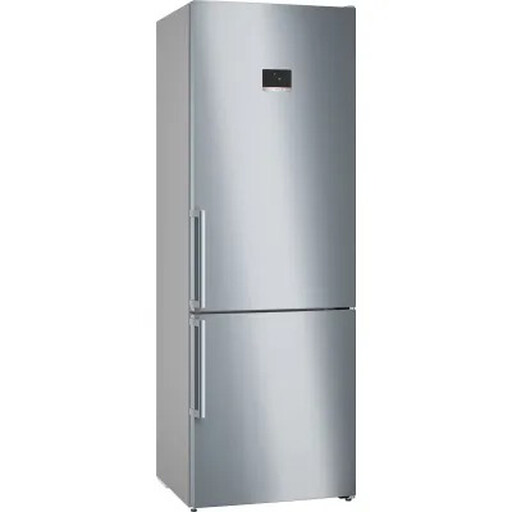
Why it's a good fit: With a total volume of 440 litres, special VitaFresh drawers for extended freshness, and very quiet operation, this appliance is designed for the needs of a modern family household with an open-plan kitchen.
The appliance addresses the noise trap with an inverter compressor and a rating of just 35 dB. The Total No Frost system with Multi-Airflow prevents food from drying out, thus bypassing the No Frost myth.
High energy efficiency (Class B) for a large volume. VitaFresh XXL drawers with humidity control for fruit and vegetables.
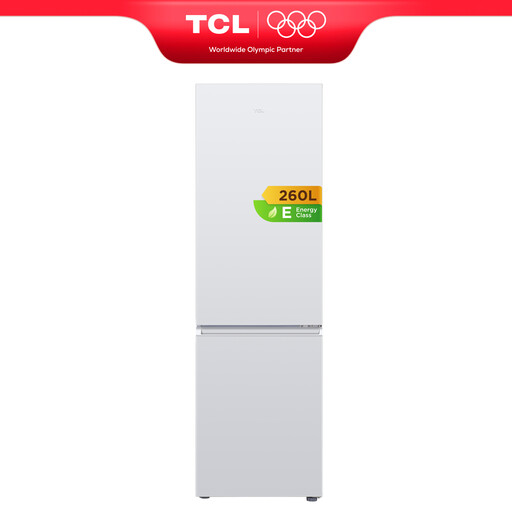
Why it's a good fit: A compact and functional solution for singles or couples. With a total volume of 260 litres and a width of 55 cm, it fits into smaller kitchens without compromising on essential features.
This model avoids the oversizing trap. Its clearly defined capacity and Class E energy rating allow for a transparent cost-benefit analysis without paying for high-end features you don't need.
Compact 55 cm width, ideal for alcoves. Reversible door hinge and adjustable feet for maximum installation flexibility.
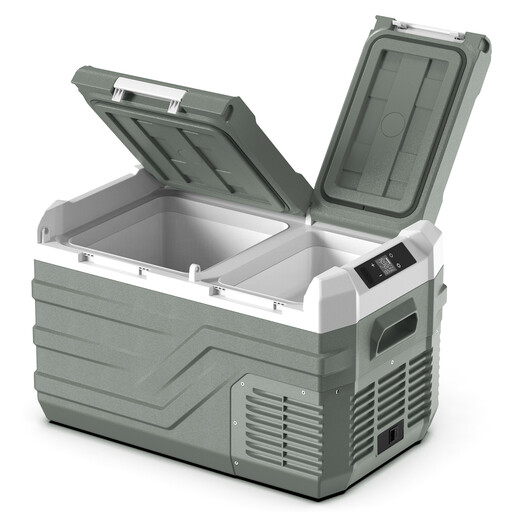
Why it's a good fit: As a 12V compressor cooler, this device is designed for mobile use. It provides reliable cooling on the go, whether for camping, in a truck, or on boat trips, and can be powered by a vehicle's electrical system (12V/24V) or a standard outlet (100-240V).
This electric cooler for camping uses compressor technology, which, unlike cheaper thermoelectric models, achieves stable deep-freezing performance down to -20°C even in high ambient temperatures. The integrated battery protection prevents draining the vehicle's battery.
Two separately controllable temperature zones. Low noise emission of under 45 dB according to the manufacturer, which is important for use in campervans.
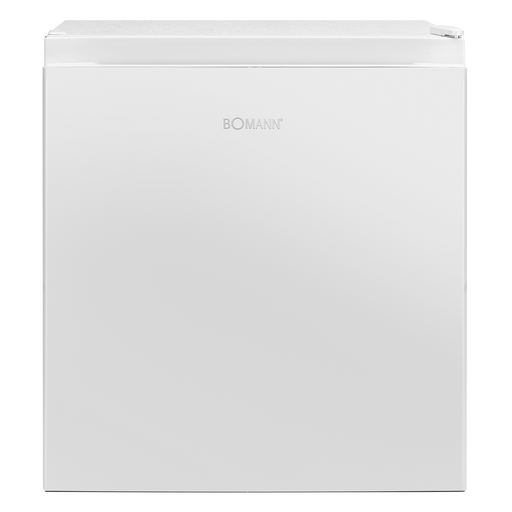
Why it's a good fit: This mini fridge with freezer compartment is a space-saving solution for keeping drinks and snacks cool. It's ideal as a secondary appliance or as the primary drinks fridge in small spaces.
It addresses the noise trap common in small appliances with a specified operating level of 39 dB, ensuring a quiet environment in an office or bedroom. The transparent consumption data (80 kWh/year) prevents any nasty surprises on the electricity bill.
Integrated 4-litre freezer compartment. The reversible door hinge and compact dimensions allow for flexible placement.
We have compiled a complete, up-to-date list of products that fully meet these strict selection criteria and UK safety regulations.
1. How long does a fridge-freezer last on average? The average lifespan of such an appliance in the UK is about 10 to 15 years. The actual durability heavily depends on the quality of the compressor, the build quality, and regular maintenance. Models with inverter compressors may have a longer lifespan as the motor runs with less wear and tear.
2. What does "No Frost" really mean, and do I need it? "No Frost" is a circulation system that reduces humidity in the freezer section, preventing the build-up of ice and frost. This completely eliminates the need for manual defrosting. Whether you need it depends on your priorities. It offers a significant convenience boost and ensures consistent cooling performance. With appliances lacking this feature, the freezer compartment must be manually defrosted about once or twice a year to maintain energy efficiency.
3. How much space should I leave around a freestanding fridge? For adequate air circulation and to prevent the compressor from overheating, it is recommended to leave about 5 cm of space on each side and 5 to 10 cm at the back from the wall. There should also be enough space above for warm air to escape. Always refer to the specific instructions in the manufacturer's installation manual.