
Lieferung heute & morgen

Qualitätsgarantie

Willkommens-Angebote freischalten: KOSTENLOSE Lieferung | Bis zu 80 % RABATT | Kostenlose 30-Tage-JoyPlus-Testphase
App herunterladen
A fridge freezer is one of the appliances that runs every day and occupies space in your kitchen for many years. That is why design and promotional pricing are not the only factors to consider when buying one. The key points are suitable dimensions, usable capacity, energy consumption, noise level and genuine everyday practicality.
Large figures in product listings do not always refer to the actual usable interior space. When comparing models, look for net capacity and check how much is allocated to the fridge and freezer compartments. A fridge with a freezer compartment for a single-person household needs a different layout from a fridge freezer for a family.
With a No Frost fridge freezer, air circulation and automatic defrosting reduce or prevent ice build-up in the freezer compartment. Low Frost appliances still need occasional defrosting, although less frequently than traditional models. So check whether No Frost applies to both compartments.
A quiet fridge is particularly important in open-plan kitchens, smaller homes or when positioned next to a bedroom. Even a difference of just a few decibels can be noticeable during continuous operation. You also need to consider the distance from walls, ventilation and the door-opening radius. An appliance may fit into the available space but still be unsuitable because the door cannot open fully or there is insufficient air circulation.
The energy efficiency classes on the EU energy label range from A to G. The stated annual consumption in kilowatt hours is also important when assessing running costs. Two appliances in the same class can have different consumption figures if their capacity and features differ.
As a guide, a model using 141 kWh per year requires less electricity in theory than an appliance using 215 kWh per year. Actual consumption depends on factors including room temperature, how fully the appliance is loaded, the temperature setting and how often the door is opened. Features such as fast cooling, fast freezing or a water dispenser can improve convenience, but depending on how they are used, they may affect energy consumption.
Before ordering, measure:
A reversible door makes installation easier. With a freestanding fridge freezer, you should also maintain the air circulation specified by the manufacturer. The actual installation instructions in the relevant manual take precedence.
Around 200 to 260 litres may be sufficient for couples and smaller households. Families will often benefit from around 300 litres or more, particularly if they regularly cook fresh meals or freeze food. Do not just look at the litre capacity; also consider:
A side-by-side fridge freezer or multi-door model offers considerably more storage space, but it also requires more floor space and may be harder to transport.
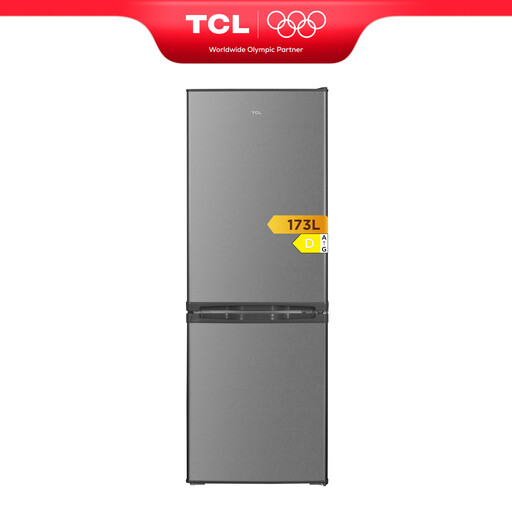
Why this product suits this profile: With 121 litres of fridge capacity and 52 litres of freezer capacity, this compact appliance is suitable for individuals, couples or smaller kitchens. Adjustable shelves make it easier to keep everything organised.
The stated split of 121 and 52 litres clearly shows the available storage space instead of simply promoting an unclear total capacity.
LED interior lighting, Fresh Zone, height-adjustable shelves and energy efficiency class D.
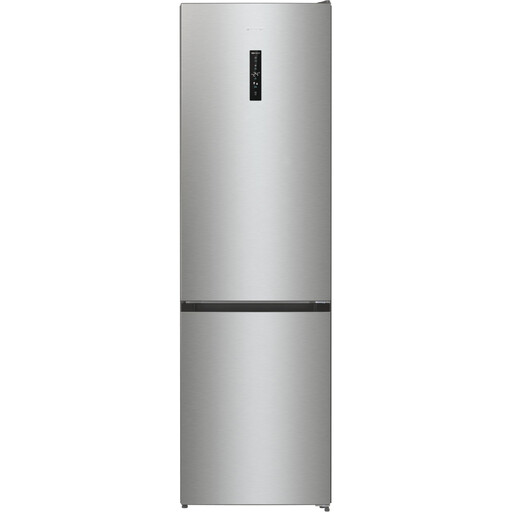
Why this product suits this profile: With a total capacity of 331 litres, No Frost in both compartments and a noise level of 35 dB, it is well suited to households that value organised storage and quiet operation.
The technical specifications explicitly state that No Frost applies to both the fridge and freezer compartments, as well as giving the noise level of 35 dB.
Energy efficiency class C, annual consumption of 158 kWh, fast freezing and a reversible door.
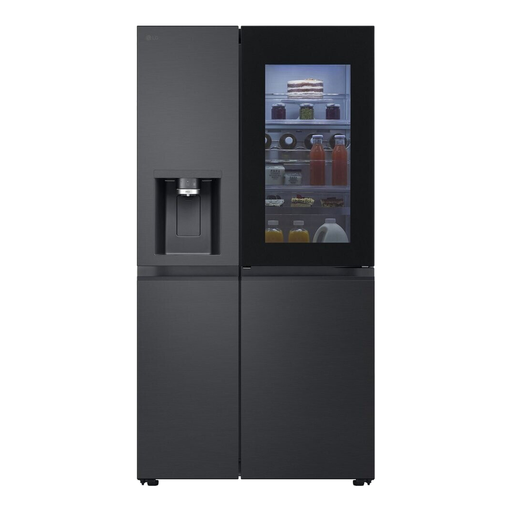
Why this product suits this profile: This side-by-side model is aimed at large households with substantial refrigeration and freezing needs, as well as an interest in a water dispenser, ice maker and app control.
The technical specifications state a net capacity of 628 litres, a noise level of 35 dB and No Frost. Before buying, check the width of 91.3 cm and the door-opening area.
Water dispenser, Craft Ice production, ThinQ app, 407 litres of fridge capacity and 221 litres of freezer capacity.
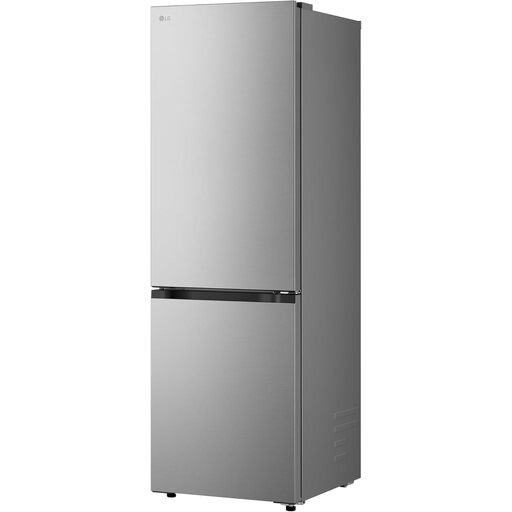
Why this product suits this profile: With a total capacity of 333 litres and a width of just under 60 cm, it provides storage space for families without requiring the dimensions of a side-by-side fridge freezer.
At 34 dB, 169 kWh per year and Total No Frost, key comparison figures are clearly provided.
220 litres of fridge capacity, 113 litres of freezer capacity, reversible door and FRESHConverter+ zone.
We have put together a complete, regularly updated list of products that fully meet these strict selection criteria and the safety regulations applicable in the EU.
As a general guide, families can look for a total capacity of around 300 litres or more. The layout is crucial: anyone who stores a lot of frozen food will need a correspondingly large freezer compartment. For couples or smaller households, 200 to 260 litres is often sufficient, provided it suits their shopping routine and storage needs.
Its lifespan depends on the model, how it is used, where it is installed and how well it is maintained. Good ventilation, correctly sealing door gaskets and regular cleaning all help support the intended operation. You should also check the manufacturer’s warranty and service information. It is not possible to give a reliable general lifespan for every appliance.
For a rough calculation, multiply the stated annual consumption in kWh by your electricity price per kWh. Example: 169 kWh per year at 0.35 euros per kWh works out at around 59.15 euros per year. The actual figure may vary depending on room temperature, how fully the appliance is loaded and how it is used.