
Lieferung heute & morgen

Qualitätsgarantie

Willkommens-Angebote freischalten: KOSTENLOSE Lieferung | Bis zu 80 % RABATT | Kostenlose 30-Tage-JoyPlus-Testphase
App herunterladen
Purchasing a new fridge-freezer is a major decision for any household. The range of options is vast, and manufacturers' marketing promises can be hard to decipher. As a Joybuy Product Recommendation Officer, my job is to provide you with objective, practical guidance to help you find an appliance that truly fits your needs and protects you from common purchasing traps.
Many buyers focus on price or design, overlooking crucial technical details that determine efficiency, convenience, and longevity in daily use. Before you decide on a model, you should be aware of three common pitfalls:
To make an informed decision, you should focus on three key parameters that decisively influence the performance and everyday usability of a fridge-freezer.
Since 2021, the new EU energy label with a scale from A (very efficient) to G (less efficient) has been in effect. An energy-efficient fridge with a B or C rating may be more expensive to buy, but it pays for itself through lower electricity costs. The decisive value is the annual energy consumption in kilowatt-hours (kWh/a), which is stated on every energy label. It allows for a direct cost comparison between different models.
Manually defrosting the freezer compartment is tedious and energy-intensive. No-Frost technology prevents ice build-up through the constant circulation of cold, dry air. This has several advantages:
Models without this feature require regular defrosting to maintain efficiency and prevent electricity consumption from soaring.
A quiet fridge is essential, especially in open-plan kitchens or smaller apartments. The volume is specified in decibels (dB). Pay attention to this value:
Here are some models that represent a considered choice for different user profiles, based on objective criteria.
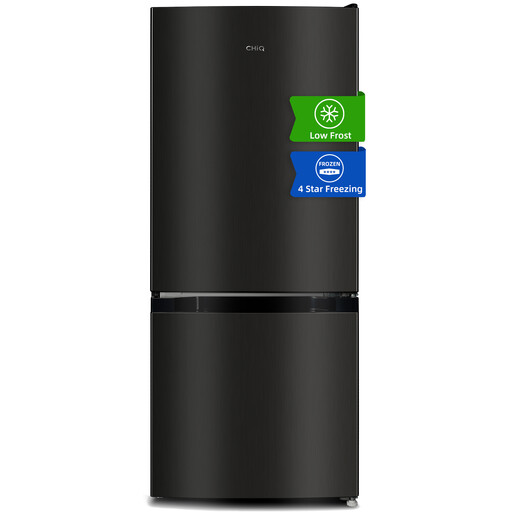
Why This Fits Their Persona: Ideal for one-person households, students, or as a secondary appliance. This model focuses on the essentials: reliable cooling with a compact footprint. At just 47 cm wide, this small fridge fits into even the tightest galley kitchen.
Bypasses the volume trap by being honest about its compact dimensions instead of advertising misleading figures. The 117-litre net capacity is realistic and efficiently allocated for its intended use.
Quiet Operation: At 39 dB, the appliance is pleasantly quiet for its size. Flexibility: The reversible door hinge allows for easy adaptation to any kitchen layout.

Why This Fits Their Persona: For large families who place a high value on freshness, flexibility, and efficiency. This XXL fridge from Bosch offers an enormous 621 litres of net capacity, providing ample space for weekly shopping and supplies.
Avoids the energy cost trap with its excellent Class B energy efficiency rating and an annual consumption of just 172 kWh/a. Despite its size, it is extremely economical and, at 35 dB, exceptionally quiet.
Twin NoFrost: The fridge and freezer sections have separate cooling circuits, which prevents odour transfer and makes defrosting obsolete. VitaFresh plus: Keeps fruit and vegetables fresh for up to twice as long, according to the manufacturer.
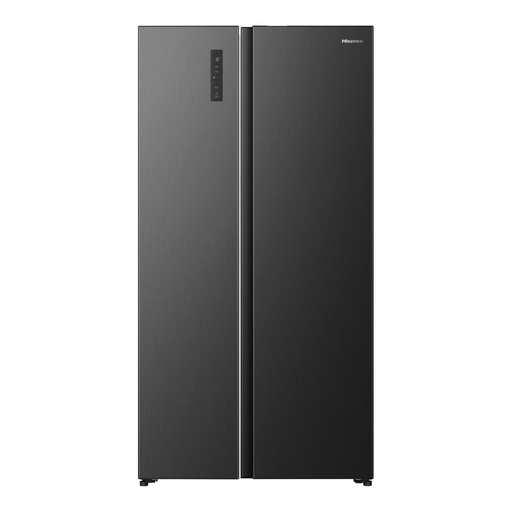
Why This Fits Their Persona: For anyone who wants to make a statement in their kitchen. This side-by-side fridge-freezer from Hisense, with its elegant black fridge design (PureFlat), combines a generous 544 litres of net capacity with modern aesthetics.
This model impressively bypasses the noise trap. At just 35 dB, it is extremely quiet for an appliance of its size and type, making it perfect for open-plan kitchens without disturbing the atmosphere.
Total No Frost: Prevents ice build-up throughout the entire appliance, making manual defrosting obsolete. Multi-Air Flow System: Ensures even cold air distribution, keeping food optimally chilled on every level.
We have compiled a complete, up-to-date list of products that fully meet these strict selection criteria and German safety regulations.
The climate class indicates the optimal ambient temperature range in which the appliance operates efficiently. Common classes in Europe are:
A freestanding fridge needs sufficient space for air circulation to dissipate heat. As a rule of thumb:
The lifespan of a refrigeration appliance depends on the quality of its components, usage, and maintenance. Generally, you can expect a brand-name appliance to last for about 10 to 15 years. Regular cleaning and following the manufacturer's instructions, such as ensuring adequate ventilation, can positively influence its lifespan.