
Lieferung heute & morgen

Qualitätsgarantie

Willkommens-Angebote freischalten: KOSTENLOSE Lieferung | Bis zu 80 % RABATT | Kostenlose 30-Tage-JoyPlus-Testphase
App herunterladen
Purchasing a new fridge-freezer is a decision that will shape your daily kitchen routine for years to come. However, the market is flooded with marketing promises that often create more confusion than clarity. Many buyers only realise months later that their supposed bargain is causing high electricity bills or that its "XXL capacity" is impractical for everyday use. As your Joybuy Product Recommendation Officer, I'm here to help you navigate these pitfalls and make an informed decision.
Before we dive into the technical details, let's clear up two of the most common and costly misconceptions consumers face when buying a fridge-freezer.
To make a choice that you'll be happy with long-term, you should focus on three objective parameters. These will help you evaluate an appliance's performance and suitability beyond advertising slogans.
The first question should be: How much space do you really need, and how much space do you have available?
Since 2021, the new EU energy label with classes from A (very efficient) to G (less efficient) has been in effect. An old A+++ appliance often corresponds to only a C or D class today.
Modern technology can make everyday life significantly easier. Two features are particularly relevant:
Here are some models that represent a considered choice for different needs and households, based on objective criteria.
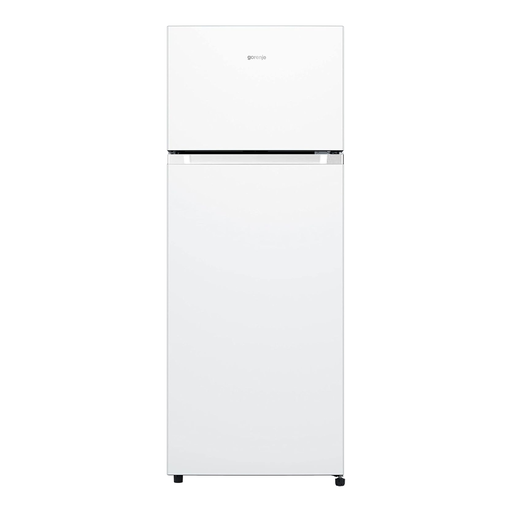
Why this model is a great fit: Ideal for singles, couples, or small kitchens. With a width of just 55 cm, it fits into narrow niches yet offers 206 litres of total capacity, which is ample space for a weekly shop. The focus is on the core functions of cooling and freezing without complex, expensive extras.
It avoids the "capacity trap" by focusing on a compact but well-structured capacity that is perfectly sufficient for its target household, rather than advertising unused space.
Compact 55 cm width, reversible door hinge for flexible placement, and a clear layout with a vegetable drawer and LED lighting.
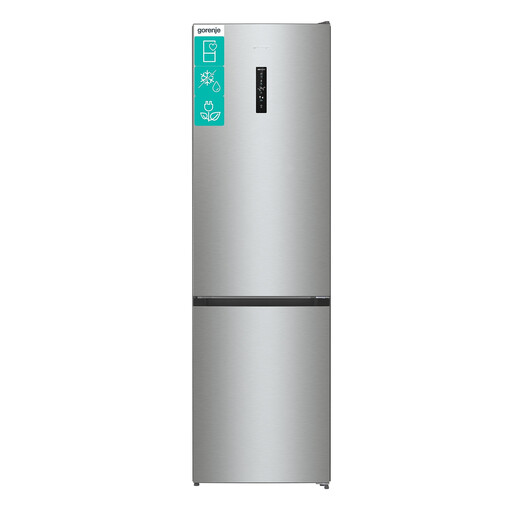
Why this model is a great fit: This model combines a generous 331-litre capacity with an excellent energy efficiency class C and a quiet operation of just 35 dB. It is an outstanding choice for families looking to save on electricity costs long-term while benefiting from modern convenience features.
It addresses both traps: The Total No Frost technology prevents energy loss from icing, and the very quiet operation at 35 dB ensures peace in your open-plan kitchen.
Very low annual energy consumption (approx. 158 kWh), Multi-Airflow system for even cooling, and a SuperCool function to rapidly chill new groceries.
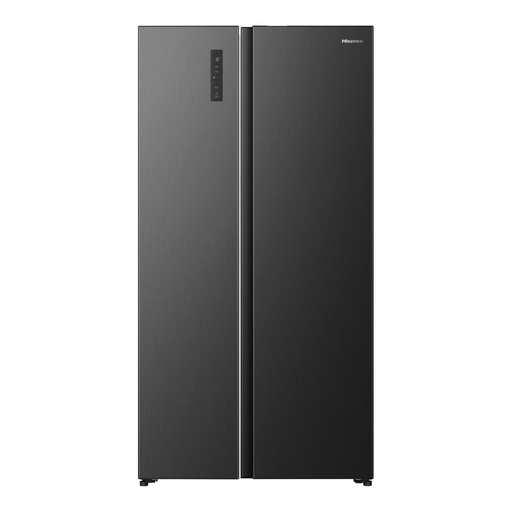
Why this model is a great fit: This American-style fridge in black is a statement piece in any modern kitchen. With 544 litres of usable capacity, it offers enormous space for large families or ambitious home cooks. The side-by-side design ensures a perfect overview and separation of chilled and frozen goods.
The side-by-side layout makes the large volume genuinely usable and easy to navigate. At just 35 dB, it is exceptionally quiet despite its size, expertly avoiding the noise trap.
Total No Frost in both sections, a Multi-Airflow system for even temperatures, and a modern PureFlat design with integrated handles.
We have compiled a complete, up-to-date list of products that fully meet these strict selection criteria and German safety regulations.
1. What is the average lifespan of a modern fridge-freezer? The average lifespan of a modern refrigeration appliance is about 10 to 15 years. The actual durability heavily depends on the quality of the compressor, the build quality, and regular maintenance. An appliance with an inverter compressor tends to have a longer life expectancy because the motor runs more smoothly and experiences less wear and tear.
2. What does the climate class (e.g., SN-T) on a fridge mean? The climate class indicates the optimal ambient temperature range in which the appliance operates efficiently. The most common class is SN-T, which means the fridge functions perfectly at temperatures from +10 °C (Subnormal) to +43 °C (Tropical). This is sufficient for most households in the UK and Europe. Operating it outside this range, for example in an unheated cellar during winter, can lead to malfunctions or increased energy consumption.
3. How much space should I leave around a freestanding fridge? To ensure adequate ventilation and efficient heat dissipation, it is important to maintain sufficient clearance from walls and furniture. As a general guideline, it is recommended to leave 3-5 cm of space on each side and 5-10 cm at the back. There should also be at least 10 cm of free space above the appliance. Always refer to the specific instructions in the manufacturer's installation manual.