
Lieferung heute & morgen

Qualitätsgarantie

Willkommens-Angebote freischalten: KOSTENLOSE Lieferung | Bis zu 80 % RABATT | Kostenlose 30-Tage-JoyPlus-Testphase
App herunterladen
Purchasing a new fridge-freezer is a major decision for any household. However, the market is saturated with marketing promises and technical specifications that often confuse more than they clarify. Incorrect assumptions about energy efficiency or supposedly useful features frequently lead to a purchase that proves impractical or expensive in the long run. As your Joybuy Product Recommendation Officer, I'll help you understand the crucial criteria and avoid common purchasing pitfalls.
Before we delve into the important features, let's look at the most widespread misconceptions that lead to dissatisfaction.
1. The Energy Efficiency Trap: Comparing Old Labels with New Ones Since 2021, a new EU energy label with a scale from A (very efficient) to G (less efficient) has been in effect. Many consumers mistakenly assume that an appliance with a new E or F rating is poor. In reality, the standards have been raised so significantly that a new Class E appliance can be more efficient than an old A++ model. A direct comparison between old and new labels is misleading and could cause you to overlook a modern, energy-saving refrigerator.
2. The "No Frost" Trap: Not All Technology Is Created Equal A No Frost refrigerator promises to make manual defrosting obsolete—a major convenience. However, there are differences:
3. The Noise Trap: Underestimating Sound Emissions in Open-Plan Living Spaces In modern homes with open-plan kitchens, the refrigerator's noise level often becomes a nuisance. A constant humming or the sudden start of the compressor can significantly impact your quality of life. A value of 40 decibels (dB) is already clearly audible. A quiet fridge-freezer with a rating below 38 dB is a sensible priority for open living areas.
To make the right choice, focus on these three objective criteria that directly influence everyday usability.
Size is everything. A unit that's too large wastes electricity, while one that's too small leads to a lack of space. As a rule of thumb for usable capacity:
The most common design is the freestanding fridge-freezer, which can be placed flexibly. Common layouts include:
An energy-efficient refrigerator saves you real money over its lifespan. Pay attention to the current EU label (A-G scale). A Class C appliance often consumes significantly less electricity per year compared to a Class E appliance.
Equally important is the Climate Class. It indicates the optimal ambient temperature range for operation:
An appliance with an SN-T climate class is the most flexible, operating reliably in cool cellars as well as in warm summer kitchens.
Modern appliances do more than just cool. Features like 0-degree zones for meat and fish, humidity control in the vegetable drawer, or smart control via an app can significantly enhance convenience. Weigh which of these features offer real value to you and which merely add unnecessary complexity.
Here are some models tailored to specific user profiles that meet the criteria mentioned above.
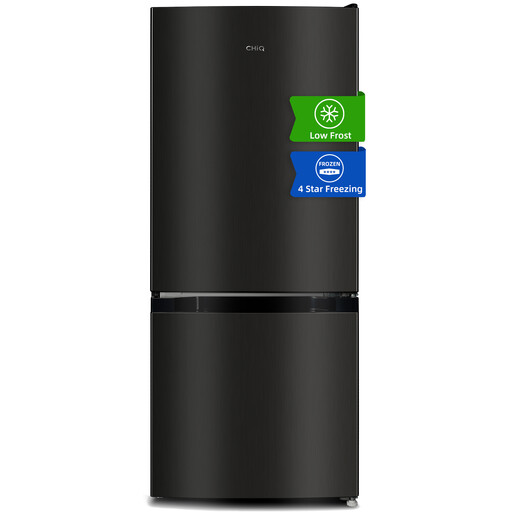
Why it's a good fit: As a small refrigerator for a single-person household, this 117-litre unit offers ample space without taking up too much room in a small kitchen or apartment. Its design as a black refrigerator is also modern and unobtrusive.
Sidesteps the noise trap with a quiet operation of just 39 dB, which is ideal for small apartments. Its compact size also prevents unnecessary energy consumption from an oversized appliance.
4-star freezer performance for long-term food storage. The reversible door hinge offers maximum flexibility in placement.
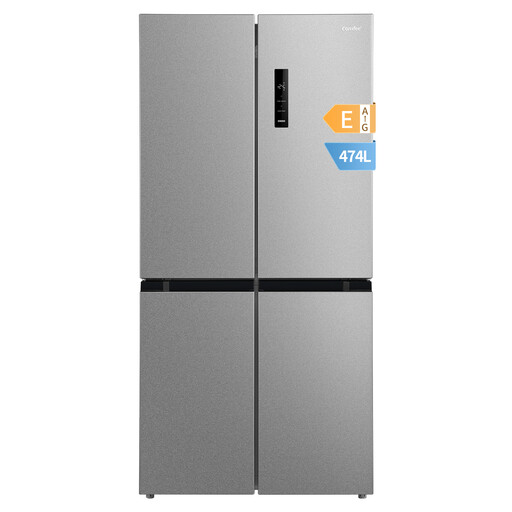
Why it's a good fit: With 474 litres of capacity and a 4-door design, this appliance offers enormous space and excellent organisation. The Vario Box and the vegetable drawer with 3 temperature settings are ideal for families who want to keep a wide variety of foods fresh.
The 4-door system reduces cold air loss, as only the required section is opened. This has a positive effect on energy efficiency. The external controls also prevent unnecessary opening.
High storage flexibility thanks to collapsible freezer drawers (Flip Tray) and the Vario Box. The external touch controls increase convenience and efficiency.
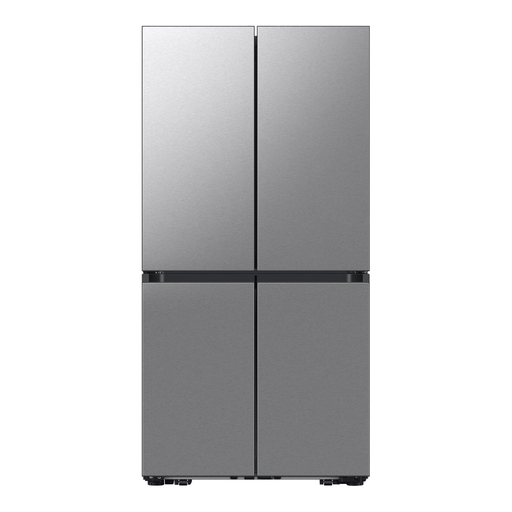
Why it's a good fit: This Side-by-Side refrigerator (in a French Door style) combines enormous storage capacity with cutting-edge technology. The AI Energy Mode and SmartThings app integration are ideal for tech-savvy users who value efficiency and control.
Proactively addresses the energy trap: AI Energy Mode optimises energy consumption by up to 10%, according to Samsung. At just 35 dB, it is an extremely quiet fridge-freezer that won't be a disturbance even in open kitchens.
Intelligent energy management and remote control via the SmartThings app. The flexible, foldable shelf creates space for tall bottles and bulky items.
We have compiled a complete, up-to-date list of products that fully meet these strict selection criteria and German safety regulations.
1. What does the climate class on a fridge-freezer mean? The climate class indicates the ambient temperatures for which an appliance is designed to operate efficiently and safely. An appliance placed in a cool cellar (e.g., 10 °C) requires at least the SN class. For a warm attic apartment in summer, ST or T is relevant. Models with a wide range like SN-T are the most versatile.
2. How often does a No Frost refrigerator need to be defrosted? An appliance with Total No Frost technology does not need to be defrosted manually at all. The system prevents ice formation through continuous air circulation. Nevertheless, the interior and drawers should be cleaned for hygiene reasons about every six months. Models with Low Frost reduce the need for defrosting but may require manual defrosting every 1-2 years, depending on usage.
3. Is a Class C fridge-freezer much more economical than a Class E one? Yes, the difference can be significant. While the exact figures depend on the model and capacity, a Class C appliance can consume 20-30% less electricity over a year compared to an otherwise identical Class E appliance. With current electricity prices, the higher purchase price for a more energy-efficient refrigerator can pay for itself in just a few years.