
Lieferung heute & morgen

Qualitätsgarantie

Willkommens-Angebote freischalten: KOSTENLOSE Lieferung | Bis zu 80 % RABATT | Kostenlose 30-Tage-JoyPlus-Testphase
App herunterladen
A fridge freezer needs to do more than simply chill food in British households. Singles and couples often prioritise a compact design, while small families need sufficient usable capacity and a well-organised freezer compartment. Offices, cellars and holiday homes have different requirements again.
However, anyone who focuses only on the purchase price or eye-catching advertising terms can overlook important details. Three common pitfalls are particularly relevant:
Compare the usable capacity, not just the total volume. A 70/30 split provides plenty of fridge space and a smaller freezer compartment. For a family, a freezer compartment with 70 or 96 litres may be useful, while singles may manage with a small fridge and just a few litres of freezer capacity.
As a general guide:
Also pay attention to the interior layout. Adjustable glass shelves, transparent drawers and deep door compartments make the appliance easier to use than a large but poorly organised interior.
A No Frost fridge freezer continuously removes humid air from the freezer compartment. This is designed to prevent troublesome frost from building up. A Low Frost freezer reduces frost formation but still requires occasional defrosting. With basic appliances that need to be defrosted manually, ice can build up more quickly and reduce the usable space.
The right choice depends on how you use the appliance:
The energy efficiency classes on the EU label range from A to G. Annual consumption is also stated in kWh. For a realistic estimate, you can multiply this figure by your electricity tariff. Actual consumption depends on factors including room temperature, how full the appliance is, how often the door is opened and the temperature setting.
A quiet fridge often has a noise level of around 37 to 41 dB(A). This can be important for open-plan kitchens, bedrooms nearby or offices. For cellars and garages, however, the climate class is decisive. Not every appliance is suitable for unheated rooms. According to the product details, the Beko model in our selection is designed for ambient temperatures down to -15 °C. The 322-litre CHiQ model specifies an operating range of 10 to 43 °C. Before buying, compare the manufacturer's specifications with the conditions at the intended installation location.
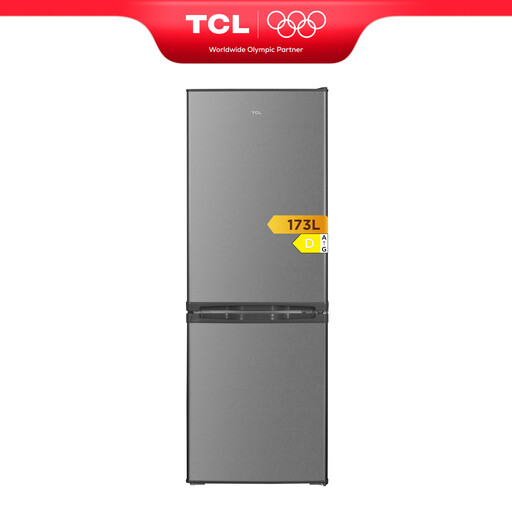
Why this product suits the profile: With 121 litres of fridge space and 52 litres of freezer capacity, this appliance is suitable for smaller households that need separate areas for fresh and frozen food.
Adjustable shelves help you adapt the available interior space to different packet sizes, rather than relying solely on the stated total volume.
LED interior lighting, height-adjustable shelves and a fresh-food drawer.
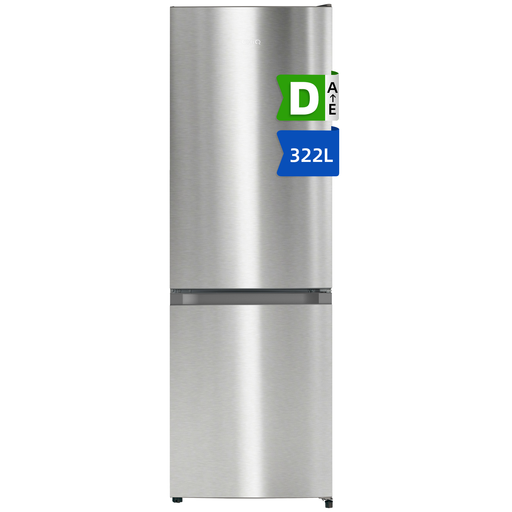
Why this product suits the profile: This model offers 226 litres of fridge space, 96 litres of freezer space, Total No Frost and a stated noise level of 37 dB(A).
The stated external dimensions of 59,5 × 63,5 × 185,5 cm make it essential to check the available installation space carefully.
Energy efficiency class D, annual consumption of 196 kWh according to the product details, and climate classes N, SN, ST and T.
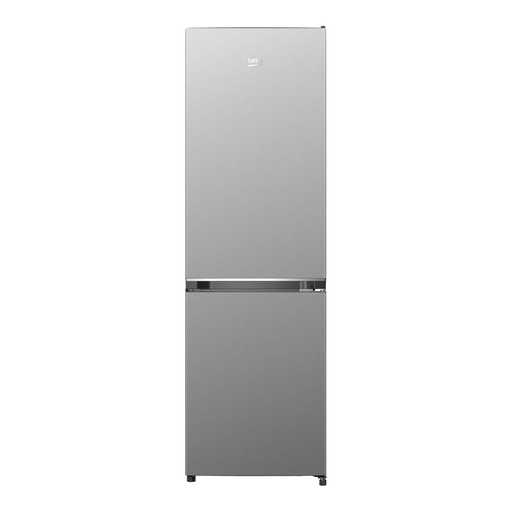
Why this product suits the profile: With 180 litres of fridge space and 70 litres of freezer space, it has room for regular shops by couples or small families.
No Frost reduces frost build-up in the freezer compartment. The reversible door and stated operation down to -15 °C make it easier to plan for different installation locations.
250 litres of usable capacity, 39 dB(A), external controls and a fast-cooling function according to the product description.
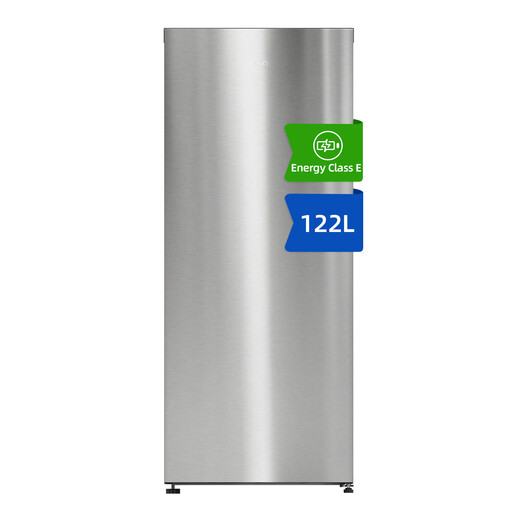
Why this product suits the profile: As an additional freezer, this appliance offers flexible storage and, according to the product description, can also switch to fridge, chill or soft-freeze mode.
The switchable operating mode means you do not have to buy an additional appliance for just one specific purpose.
122 litres, No Frost, Multi-Airflow, 39 dB(A) and reversible door hinge according to the supplier's specifications.
We have put together a complete, regularly updated list of products that fully meet these strict selection criteria and the safety regulations applicable in the EU.
Before buying, measure the alcove, including the skirting board, clearance from the wall and the door-opening radius. A reversible door makes it easier to adapt the appliance to your kitchen layout, but it does not replace checking the actual space available.
Place the appliance on a level surface and leave the clearances specified in the instruction manual unobstructed. Hot food should not be placed directly in the fridge. Check the door seal regularly for dirt and visible damage. With a Low Frost appliance, defrosting is necessary as soon as a clearly visible layer of ice has formed.
Consumption is shown on the EU energy label and stated in kWh per year. For a rough cost calculation, multiply this figure by your electricity price per kWh. Frequent opening, a high room temperature and a setting that is too low can increase actual consumption.
There is no reliable one-size-fits-all answer. Its lifespan depends on the compressor, usage, ventilation, maintenance and ambient temperature. Regular cleaning, an intact door seal and sufficient clearance from heat sources can help support trouble-free operation. The relevant manufacturer's warranty and compressor information should be checked separately.
This is only permitted if the manufacturer explicitly states the intended temperature range. Unheated garages can fall outside the permitted climate class in winter or summer. Before buying, check the ambient temperature, climate class and required ventilation clearances.