
Lieferung heute & morgen

Qualitätsgarantie

Willkommens-Angebote freischalten: KOSTENLOSE Lieferung | Bis zu 80 % RABATT | Kostenlose 30-Tage-JoyPlus-Testphase
App herunterladen
A fridge-freezer needs to work reliably every day, fit in your kitchen and suit your household’s actual shopping habits. However, there are significant differences in space requirements, energy consumption and ease of use between a compact fridge with a freezer compartment and a spacious American-style fridge freezer.
Many buying decisions go wrong not because features are missing, but because dimensions are misjudged or advertising claims are misunderstood. The following criteria will help you compare models objectively and avoid common buying mistakes.
The stated total capacity is measured in litres. However, what really matters is how the space is divided between the fridge and freezer compartments, as well as the practical interior layout. A 250-litre appliance may be sufficient for a two-person household, while families often need between 300 and 500 litres.
Look out for:
A No Frost fridge-freezer actively removes moisture from the freezer compartment, preventing the usual build-up of ice. With Low Frost appliances, ice forms more slowly, but manual defrosting is still required.
If you want to keep maintenance to a minimum over the long term, check whether No Frost applies to both compartments. With some appliances, the technology is only used in the freezer compartment.
The energy ratings on the EU label range from A to G. For running costs, you also need to consider the stated annual consumption in kilowatt-hours. A larger appliance rated D may use more electricity than a smaller model with the same rating.
A simple guide:
Annual consumption in kWh × your electricity price per kWh = approximate annual energy cost
Actual consumption depends on factors including room temperature, how full the appliance is, how often the doors are opened and whether rapid-cooling functions are activated.
Measure not only the available recess, but also the route into your home, stairways and the area needed to open the doors. A freestanding fridge-freezer also requires the clearance from walls and furniture specified by the manufacturer.
Check the following in advance:
Models around 54 to 55 cm wide can be a good option for small kitchens. Family-sized appliances are often 59 to 60 cm wide, while an American-style fridge freezer or French-door fridge freezer requires considerably more floor space.
Noise levels are specified in dB(A). In an open-plan kitchen, the difference between 35 and 40 dB can be noticeable. A quiet fridge is particularly important when the kitchen is close to a bedroom or workspace.
A fridge with an inverter compressor continuously adjusts its output to match cooling demand. This can result in smoother operation. However, you should always check the specific noise level and annual consumption in the product datasheet.
Useful features are those that suit your everyday needs:
Names such as “Pure Air”, “Fresh Zone” or brand-specific freshness technologies should not automatically be interpreted as promises about shelf life or health benefits. What matters are the specific functions described and the instructions for use.
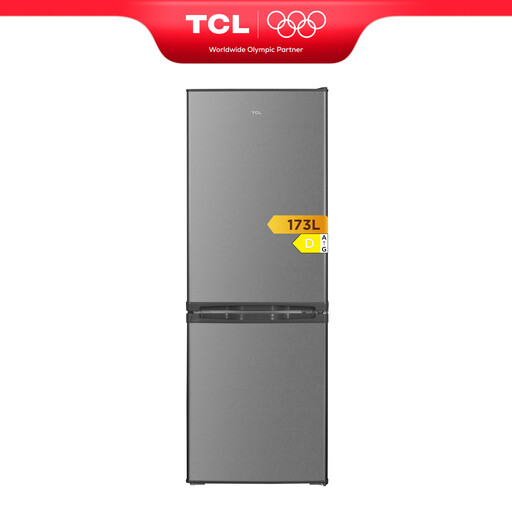
Why this product suits this profile: With 121 litres of fridge space and 52 litres of freezer space, this compact model is suitable for individuals, couples or small kitchens. The adjustable shelves and LED lighting support flexible everyday use.
The width of 55 cm is clearly stated. This makes it easier to check before buying whether the appliance will fit in a narrow kitchen run.
Fresh Zone, height-adjustable shelves, LED lighting and energy rating D, according to the product information.
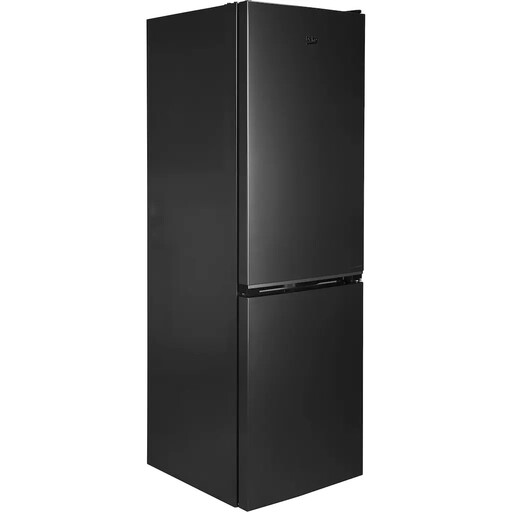
Why this product suits this profile: This appliance combines a total capacity of 316 litres with No Frost, an inverter compressor and a noise level of 35 dB.
No Frost is specified for both the fridge and freezer compartments. Even so, the reversible door and dimensions of 186.5 × 59.5 × 66.3 cm must be checked against the installation space.
Energy rating C, annual consumption of 165 kWh according to the product data, 35 dB and SN-T climate class.
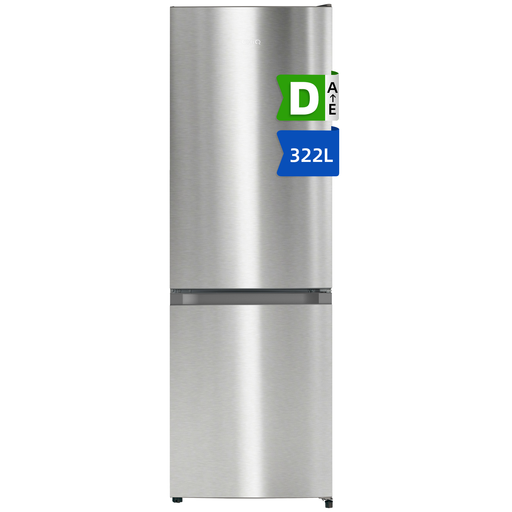
Why this product suits this profile: With 226 litres of fridge space and 96 litres of freezer space, this combination is suitable for families. The stated climate classes N, SN, ST and T allow operation at ambient temperatures from 10 to 43 °C.
The depth of 63.5 cm is explicitly stated. This allows you to account in advance for the appliance extending beyond a 60 cm worktop.
322 litres, Total No Frost, Fast Freeze, 37 dB and annual consumption of 196 kWh according to the product data.
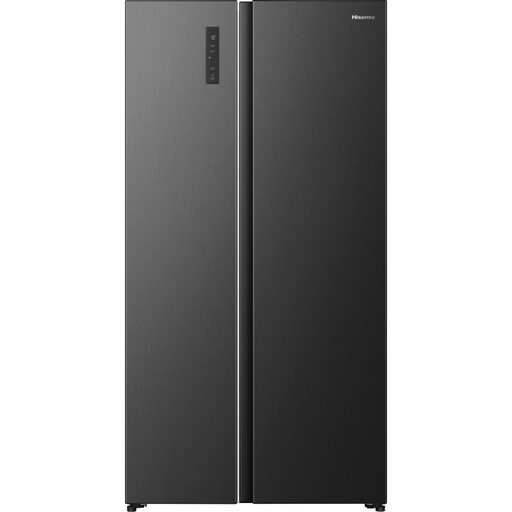
Why this product suits this profile: The side-by-side design provides 544 litres of net capacity, including 347 litres of fridge space and 197 litres of freezer space. It is designed for larger shops and storing provisions.
The external dimensions of 178.6 × 91.1 × 61.5 cm and the required door width should be checked before ordering. This helps avoid the common space-related problems associated with large appliances.
Total No Frost, 35 dB, inverter technology, Multi-Airflow and annual consumption of 254 kWh according to the product data.
We have put together a complete, regularly updated list of products that fully meet these strict selection criteria and the safety regulations applicable in the EU.
After transport, the appliance should be left standing upright for several hours in accordance with the manufacturer’s instructions before it is connected. Place the fridge-freezer on a level surface and ensure adequate ventilation.
For everyday use:
A No Frost appliance normally does not need to be defrosted manually. However, the seals, interior and ventilation areas should still be cleaned regularly.
As a rough guide, allow around 100 to 150 litres of fridge space per person. Families should also take their freezer requirements into account. If you shop for fresh food frequently, you will need more fridge space; if you store provisions, you will benefit from a larger freezer compartment.
Its lifespan depends on the model, how it is used, its location, ventilation and maintenance. Regular cleaning, correct installation and avoiding unnecessarily long periods with the doors open can help support reliable operation. Warranty and compressor details should be checked separately, as they do not automatically apply to every component.
The main factors are annual consumption, your electricity tariff and the size of the appliance. Multiply the stated kWh figure by your price per kilowatt-hour. Rapid cooling, warm room temperatures and frequent door opening can increase actual consumption.