
Lieferung heute & morgen

Qualitätsgarantie

Willkommens-Angebote freischalten: KOSTENLOSE Lieferung | Bis zu 80 % RABATT | Kostenlose 30-Tage-JoyPlus-Testphase
App herunterladen
Purchasing a new fridge-freezer is a major decision for any household. But the market is flooded with marketing promises and technical specs that often cause more confusion than clarity. Overlooked details frequently lead to disappointment: an unexpectedly loud appliance in an open-plan kitchen, high electricity bills despite a supposedly good efficiency rating, or the constant frustration of ice build-up.
As your Joybuy Product Recommendation Officer, I'm here to help you navigate these pitfalls. We'll focus on the facts that truly matter, so you can find an appliance that perfectly matches your needs.
Many purchasing decisions are based on advertising claims that don't deliver in practice. Pay special attention to these three points:
To make an informed decision, you should focus on three core aspects. These will determine your long-term satisfaction with your appliance.
The usable capacity, measured in litres, is the most crucial factor. A miscalculation leads to either a lack of space or wasted energy from a half-empty appliance.
The design must fit your kitchen. A freestanding fridge offers maximum placement flexibility. Also, consider the aesthetics: A fridge in black adds a modern touch, while a model with a stainless steel finish is timeless and easy to clean.
The energy efficiency class has a direct impact on your electricity bill. As mentioned, the new A to G scale is stricter.
An inverter compressor is a technical feature often associated with higher efficiency and quieter operation, as it adjusts its power as needed.
Modern technology makes daily life easier.
Here are some models that represent a considered choice for different households, based on objective criteria.
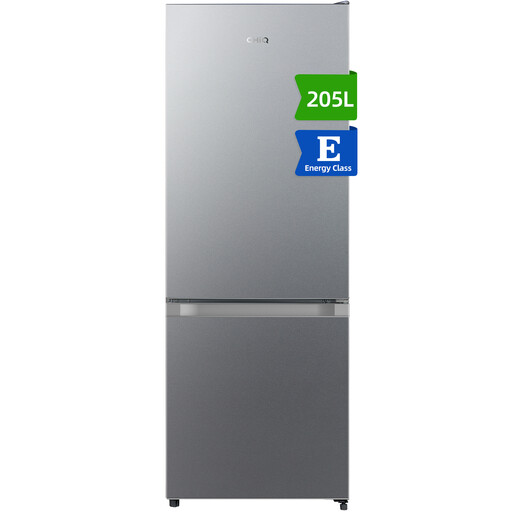
Why It's a Good Fit: With 205 litres of capacity and a compact 54 cm width, this appliance is ideal for singles or couples in city apartments. The reversible door hinge offers maximum placement flexibility.
The appliance is clearly declared as Low Frost. This means you know exactly that occasional defrosting is necessary, so you won't fall into the "false No Frost" trap. The 39 dB noise level is transparently stated for this price range.
Compact dimensions and a reversible door hinge make installation straightforward, even in small or awkwardly laid-out kitchens.
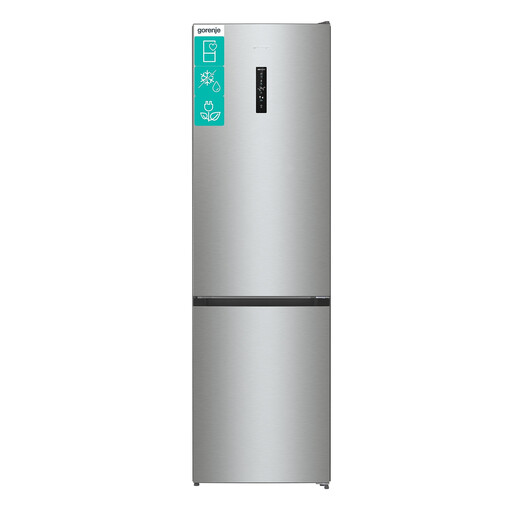
Why It's a Good Fit: With 331 litres, a very good energy efficiency class C, and quiet operation, this appliance is a well-balanced solution for families who value low running costs and comfort.
This model offers true Total No Frost, eliminating the defrosting hassle. At just 35 dB, it is very quiet and solves the noise issue in open-plan kitchens. The energy efficiency class C rating is objectively economical and not a misleading label.
A combination of high energy efficiency (Class C), very quiet operation (35 dB), and useful features like Super Cool and Fast Freeze.
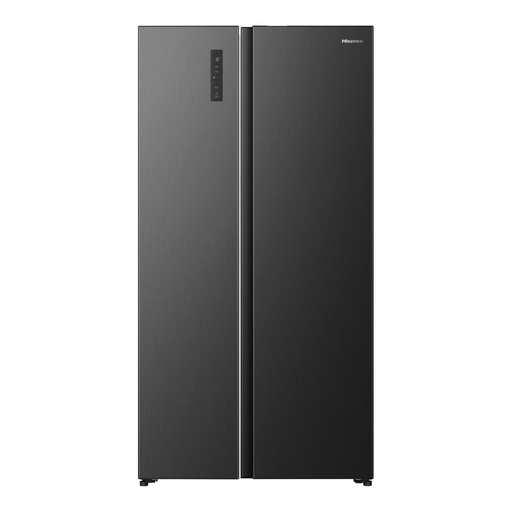
Why It's a Good Fit: With a massive 544-litre capacity, this side-by-side fridge offers enormous space for a large family's weekly grocery shop or for anyone who likes to buy in bulk. The black design is a visual highlight.
Large appliances are often loud—this model defies that with an extremely quiet operation of just 35 dB. It features Total No Frost, which is a must-have for this size to eliminate maintenance effort.
Maximum storage space of 544 litres combined with premium features like Total No Frost and an exceptionally quiet operation for its size.
We have compiled a complete, up-to-date list of products that fully meet these strict selection criteria and UK safety regulations.
1. How much electricity does a Class C fridge-freezer use? An appliance with energy efficiency class C is very economical. The exact consumption depends on its size and features but is often in the range of 140 to 170 kWh per year. For comparison, a Class F model of a similar size can consume over 300 kWh per year. The investment in a better class pays for itself through electricity savings.
2. What does "No Frost" really mean, and will I never have to defrost my appliance again? If an appliance is advertised as Total No Frost or with "No Frost in fridge and freezer," it circulates cold, dry air that prevents the formation of ice and frost. In this case, you will indeed never have to manually defrost the appliance again. With terms like "Low Frost" or if the feature is only specified for the fridge compartment, the freezer will still need to be defrosted regularly.
3. What is the average lifespan of a modern fridge-freezer? The average lifespan of a modern appliance is about 10 to 15 years. Models with a high-quality inverter compressor may have a longer lifespan, as this component is subject to less wear and tear than conventional compressors. Regular cleaning and following the manufacturer's instructions for ventilation also contribute to its longevity.