
Lieferung heute & morgen

Qualitätsgarantie

Willkommens-Angebote freischalten: KOSTENLOSE Lieferung | Bis zu 80 % RABATT | Kostenlose 30-Tage-JoyPlus-Testphase
App herunterladen
Purchasing a new freestanding fridge-freezer is a major decision for any household. However, the market is saturated with marketing promises and technical data that often confuse more than they clarify. Many appliances quickly prove to be impractical or turn out to be hidden energy hogs. As your Joybuy Product Recommendation Officer, I'll help you identify the crucial features and avoid common buying traps, ensuring you find an appliance that truly fits your needs.
Before you decide on a model, you should be aware of the most common pitfalls that often lead to dissatisfaction and unnecessary costs.
To make the right choice, focus on three objective criteria that directly impact everyday usability and long-term costs.
The size of the appliance must match both the available space and your needs.
The energy efficiency class is the most important indicator of running costs.
Modern functions should not only sound good on paper but also offer real added value.
Here are some models that represent a considered choice for different household types, based on objective criteria.
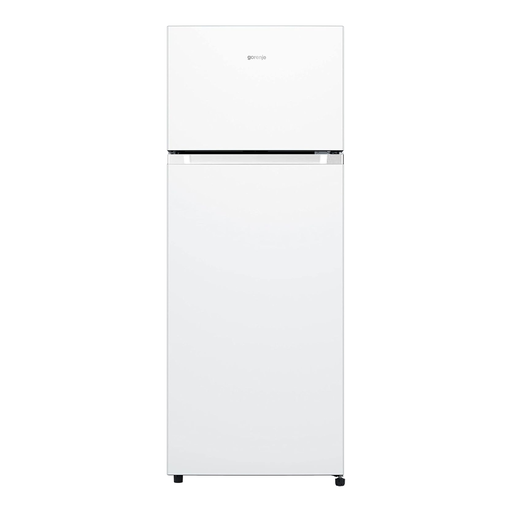
Why this model fits: Ideal for singles or couples in city apartments. With its compact 55 cm width, it fits into tight kitchen niches without making major compromises on its 206-litre capacity. It focuses on the core functions of cooling and freezing.
This appliance avoids the trap of paying for superfluous high-tech features. It offers a solid basic feature set without costly extras, which is reflected in its accessible purchase price.
The standard 55 cm width and the reversible door hinge offer maximum flexibility for installation. The 40 dB noise level is a solid value for enclosed kitchens.
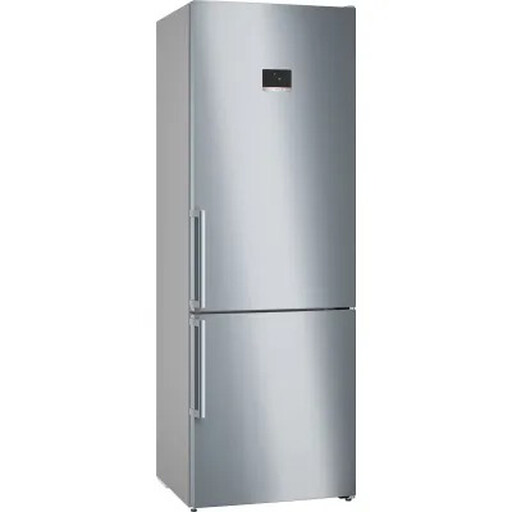
Why this model fits: With 440 litres of capacity and special freshness systems (VitaFresh XXL), this appliance is tailored to the needs of families who value fresh food and good organisation. Its very quiet operation makes it ideal for open-plan kitchens.
This model bypasses the energy efficiency trap with an excellent energy efficiency class B rating and an annual consumption of just 142 kWh. Additionally, its Total NoFrost technology ensures constant efficiency without manual defrosting.
The extremely quiet operation at just 35 dB and the VitaFresh system, which the manufacturer claims keeps fruit and vegetables fresh for longer, offer clear added value for family life.
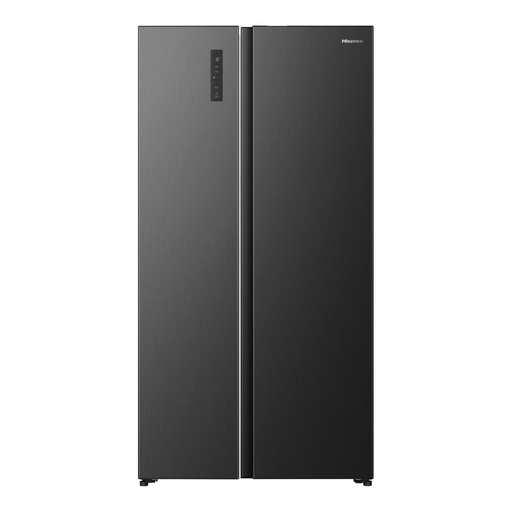
Why this model fits: As a Side-by-Side fridge-freezer with 544 litres of capacity, this appliance offers enormous storage space for bulk shopping. Its elegant design as a fridge-freezer in black (PureFlat Black Design) makes it a statement piece in any modern kitchen.
Despite its size, this model avoids the noise trap with extremely quiet operation at just 35 dB. The Total No Frost technology also ensures consistently high efficiency and prevents performance loss due to icing.
The combination of huge capacity, a quiet inverter compressor, and an attractive design offers a comprehensive solution for demanding users who want to combine functionality and aesthetics.
We have compiled a full, up-to-date list of products that fully meet these strict selection criteria and German safety regulations.
1. What does the climate class mean for a fridge-freezer? The climate class indicates the optimal ambient temperature range in which the appliance operates efficiently. The most common classes are:
2. What is the average lifespan of a freestanding fridge-freezer? The average lifespan of such an appliance is about 10 to 15 years. The actual duration heavily depends on the quality of the compressor, frequency of use, and regular maintenance. Models with inverter compressors tend to have a longer lifespan as the motor runs with less wear and tear.
3. Is a No Frost fridge-freezer really worth it? Yes, in most cases, it is worth it. Although appliances with Total No Frost can be slightly more expensive to buy and sometimes consume a little more power, they completely eliminate the need for manual defrosting. This not only saves time and effort but also ensures that the appliance cools with constant efficiency, as no insulating layer of ice can form. This can offset the slightly higher base consumption over time.