
Lieferung heute & morgen

Qualitätsgarantie

Willkommens-Angebote freischalten: KOSTENLOSE Lieferung | Bis zu 80 % RABATT | Kostenlose 30-Tage-JoyPlus-Testphase
App herunterladen
A fridge-freezer should keep your food reliably chilled, offer enough storage and fit in with your existing kitchen. However, eye-catching features and unclear product details can often lead to the wrong choice. There are three common pitfalls to watch out for: considering the external dimensions without allowing for the door to open, judging energy use by the efficiency rating alone, and assessing features such as No Frost or a water dispenser without considering maintenance and space requirements.
This buying guide from the Joybuy Product Recommendation Officer explains the key criteria and recommends suitable models for different households.
A 60 cm-wide appliance won’t necessarily fit into every kitchen. You also need to consider depth, door-opening angle, clearance from the wall and ventilation space. A side-by-side fridge, for example, may be over 70 cm deep and need considerably more room when the door is open.
For a narrow kitchen, a 54 cm-wide slim fridge could be a good option. Before buying, though, check the packaged dimensions, stairwell, door frames and the route to the installation spot too.
The EU energy efficiency ratings for fridges range from A to G. However, the rating alone won’t tell you how much you’ll spend on electricity each year. That depends on the stated consumption in kWh per year and your individual electricity tariff.
A Category D appliance with a larger capacity may use more electricity than a smaller Category E model. So always compare capacity and annual energy consumption together. For example, the LG GBBS322BSW is rated B and uses 139 kWh per year, while the CHiQ JR318WSD is rated D and uses 196 kWh per year.
A No Frost fridge reduces ice build-up and generally means you won’t have to defrost the freezer compartment by hand. However, the technology can affect how the interior is laid out, and it isn’t essential for every household. Low Frost appliances need defrosting less often, but it’s still part of their maintenance.
Depending on the design, a fridge with a water dispenser needs either a water tank or a mains water connection. The tank needs regular cleaning. A fridge with an inverter compressor can adjust its output to suit demand, but be sure to check the stated noise level and annual energy consumption too.
Models with a capacity of around 170 to 280 litres are often enough for couples or smaller households. Families usually need more space, particularly if you cook from scratch or freeze food regularly. A fridge with a capacity of 300 to 500 litres gives you more room for supplies, but also needs more floor space.
Check how the capacity is divided between the fridge and freezer compartments. A large fridge with a freezer compartment won’t necessarily be suitable if you store a lot of frozen food. Check the capacity in litres for each compartment and the number of drawers.
Noise levels are given in dB(A). Several of the appliances featured here have noise levels between 37 and 40 dB(A). If you have an open-plan kitchen or the fridge will be next to a study, a quieter model may be more practical than one with a higher noise level.
The climate class also matters if you’re putting the appliance in a garage, cellar or utility room. Not every model can operate in low ambient temperatures. According to the product details, the CHiQ JR318WSD is designed for ambient temperatures of 10 to 43 °C and climate classes N, SN, ST and T. Check this before installing it in an unheated room.
Adjustable glass shelves, clear freezer drawers, LED lighting and flexible door storage make everyday use easier. A reversible door is particularly useful if you can only decide which way it should open once the appliance is in place.
If you’re considering a French-door or side-by-side fridge, check that the wide shelves, bottle racks and drawers suit the way you shop. More doors don’t automatically mean better use of space.
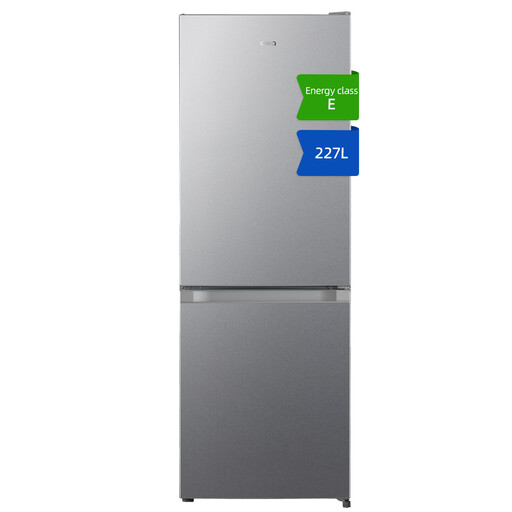
Why it suits this household: This freestanding fridge-freezer is 54 cm wide and offers 153 litres of fridge space and 74 litres of freezer space. It’s a good fit for smaller kitchens and households with limited room.
The width, 55 cm depth and reversible door are all clearly specified. Low Frost reduces ice build-up, but doesn’t eliminate the need to defrost.
54 cm wide, 39 dB noise level, LED lighting and a 4-star freezer compartment.
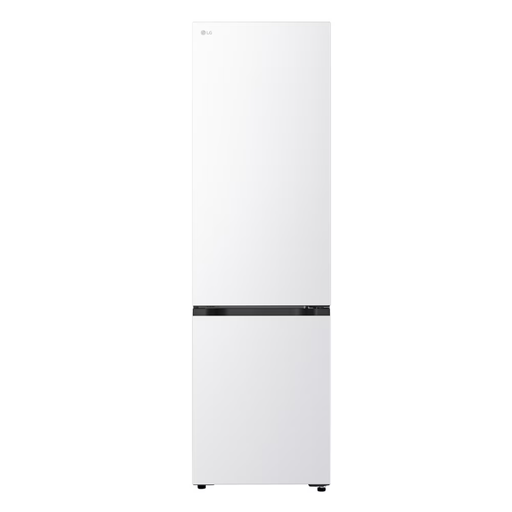
Why it suits this household: With a total capacity of 375 litres, a B rating, a noise level of 33 dB(A), an inverter compressor and a flexible interior layout, this model is well suited to families.
The annual energy consumption of 139 kWh and noise level of 33 dB(A) are clearly stated. Check the 203 cm height before you buy.
FRESHConverter+ with adjustable temperature zones, Wi-Fi and Express Freeze.
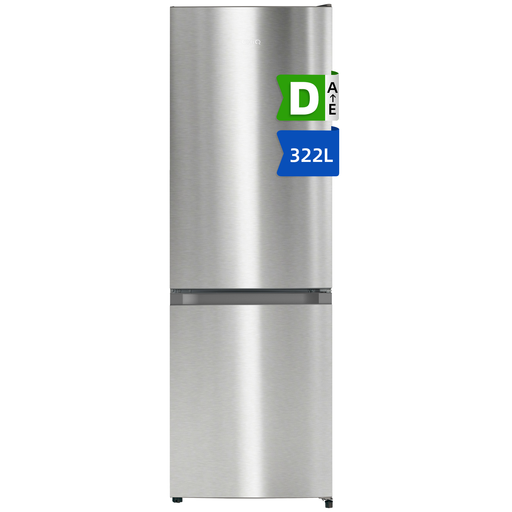
Why it suits this household: With a capacity of 322 litres, Total No Frost, a noise level of 37 dB(A) and a stated operating range of 10 to 43 °C, this appliance could suit families and some utility room or garage settings.
Its suitability for specific ambient temperatures is clearly stated. At 63.5 cm deep, measure the available space carefully before ordering.
226 litres of fridge space and 96 litres of freezer space, a D rating, 196 kWh per year and a fast-freeze function.
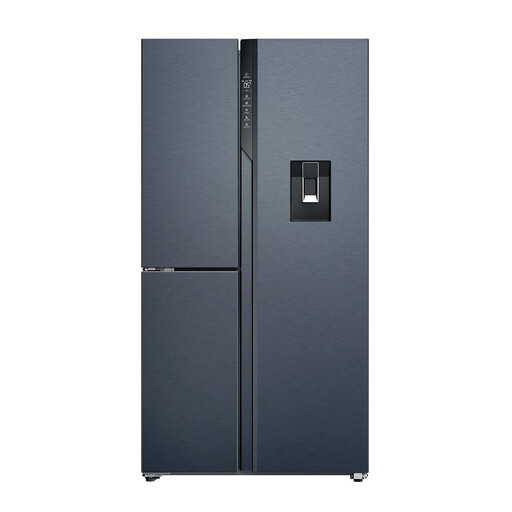
Why it suits this household: Its total capacity of 573 litres makes it a good choice for households that buy in bulk, store a lot of frozen food or regularly stock up.
As well as its generous capacity, bear in mind its 90.5 cm width, E energy rating and annual consumption of around 302 kWh.
Total No Frost, 37 dB(A), water tank, Switch Zone and 384 litres of fridge space.
We’ve put together a complete, regularly updated list of products that meet these strict selection criteria and the safety regulations in force in the EU.
It depends on the model. Follow the clearance requirements in the instruction manual for the back, sides and top of the appliance. Don’t cover the ventilation openings. Make sure there’s also enough room to open the door and pull out the freezer drawers.
Its lifespan depends on how it’s used, where it’s installed, and how well it’s cleaned, ventilated and maintained. Regularly cleaning the door seal, keeping the ventilation areas clear and avoiding leaving the door open for too long can help it run as it should. Always follow the manufacturer’s instructions and check the statutory guarantee.
Multiply the stated annual consumption in kWh by your personal electricity price per kWh. For example, an appliance that uses 200 kWh a year would cost around 70 euros per year to run at an electricity price of 0.35 euros per kWh. Actual consumption may vary depending on room temperature, how full the fridge is, the temperature setting and how it’s used.