
Lieferung heute & morgen

Qualitätsgarantie

Willkommens-Angebote freischalten: KOSTENLOSE Lieferung | Bis zu 80 % RABATT | Kostenlose 30-Tage-JoyPlus-Testphase
App herunterladen
A fridge freezer should keep food neatly organised, reliably chilled and require as little effort as possible in everyday use. For families and larger households, appearance and total capacity are therefore not the only considerations. Usable storage space, energy consumption, noise level, door clearance and the split between the fridge and freezer compartments are all crucial.
Many offers look similar at first glance. However, some important differences only become apparent after purchase. The following advice will help you avoid common mistakes and choose a model that suits your living situation.
A large appliance does not automatically mean plenty of usable storage space. Look at the net capacity, stated in litres separately for the fridge and freezer compartments. For example, a fridge freezer with a capacity of 355 litres might offer 249 litres of fridge space and 106 litres of freezer space. For planning your household storage, this split is more important than a large total figure in an advert.
Also check whether the internal layout suits the food you usually store:
The EU energy label ranges from A to G. You should also consider the stated annual consumption in kWh per year. Two appliances in the same class may have different consumption figures depending on their size and technology.
For a realistic comparison, you should consider at least the following details together:
A more energy-efficient fridge freezer with a larger capacity may use more electricity overall than a smaller appliance, even if it has a better rating on the label. It is therefore best to compare models of a similar size and with similar usage patterns.
Before buying, measure the space where the appliance will stand, the route it will take during delivery and the area required to open the doors. Height, width and depth are not the only relevant measurements. Also consider:
A freestanding fridge freezer with a 90-degree door opening may be suitable for compact kitchens. A side-by-side fridge freezer or a French-door fridge freezer is usually considerably wider. These designs often provide wide shelves and compartments, but they also require a correspondingly spacious installation area.
A NoFrost fridge freezer actively removes moisture produced during cooling and reduces ice build-up in the freezer compartment. Total NoFrost systems are designed to eliminate the need for regular manual defrosting. This saves time, but it does not replace cleaning the seals, drawers and interior surfaces.
Two separate cooling circuits can regulate the temperature of the fridge and freezer compartments independently. Some models also reduce the exchange of odours between the two areas. Check whether the NoFrost function actually applies to both compartments.
A quiet fridge freezer is particularly important in open-plan kitchens or small flats. Noise levels are given in dB(A). Even a difference of a few decibels can be noticeable in everyday use, although perceived noise also depends on the floor, clearance from walls and operating conditions.
A fridge freezer with an inverter compressor adjusts its output to the cooling demand rather than operating solely through fixed on and off cycles. Even so, pay attention to the specific dB figure and annual consumption. Product specifications, for example, may list values ranging from 32 to 39 dB.
A fridge freezer with a fresh-food compartment can make it easier to organise different types of food. The key consideration is the type of temperature or humidity control actually provided. Terms such as FreshZone, VitaFresh, FreshShield and HarvestFresh refer to brand-specific features; their functions should be checked against the technical description and instruction manual.
A switchable Multi-Zone is useful when your requirements change throughout the year. Depending on the model, it can be used as either a fridge or freezer compartment. This is practical for larger shops, but it requires careful planning of how you store your food.
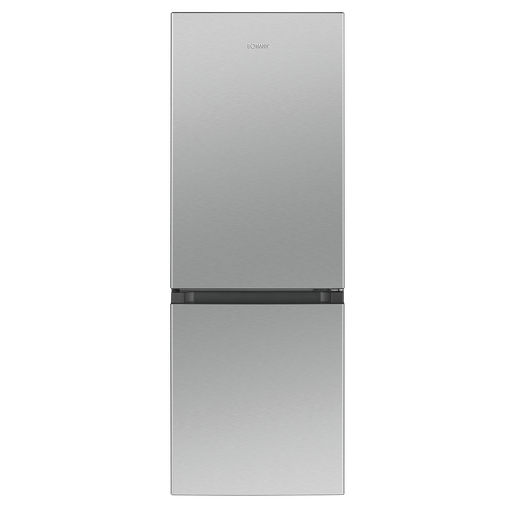
Why this product suits this profile: With 175 litres of net capacity and a width of 49.5 cm, this model is ideal for smaller households and kitchens with limited space.
The stated net capacity is split between the fridge and freezer compartments; according to the product data, energy consumption is 156 kWh per year.
Energy efficiency class D, reversible door hinge and three freezer drawers.
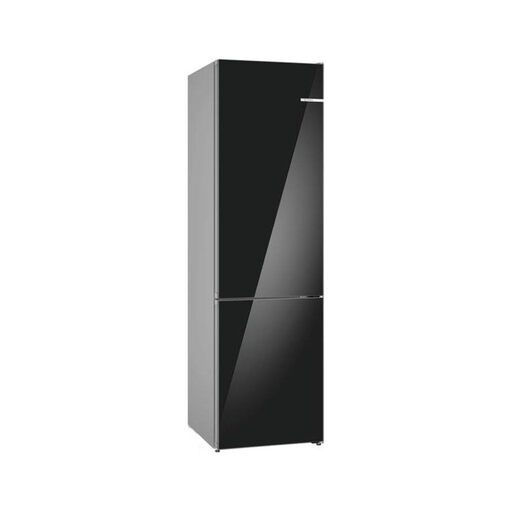
Why this product suits this profile: This appliance combines 363 litres of net capacity with NoFrost, VitaFresh XXL and flexible shelves for well-organised food storage.
According to the product data, NoFrost applies to both the fridge and freezer compartments; the stated noise level is 35 dB.
Energy efficiency class C, annual consumption of 162 kWh and reversible door hinge.
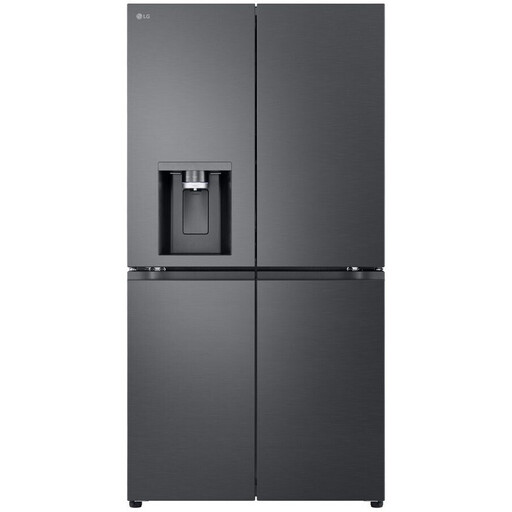
Why this product suits this profile: A total capacity of 645 litres, an ice and water dispenser and app compatibility make this model appealing to households with substantial storage and usage needs.
The product data lists the fridge and freezer capacities separately. Before buying, check the required installation width of 91.4 cm, as well as the water connection or tank requirements.
No Frost, 34 dB and energy efficiency class C; the dispenser provides water, ice cubes and crushed ice.
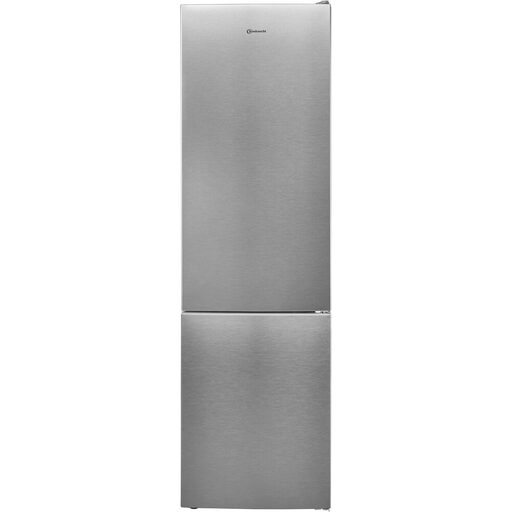
Why this product suits this profile: With 355 litres of net capacity and a switchable compartment, it offers flexibility for changing shopping and freezing habits.
The technical description states 112 kWh per year, 32 dB and automatic defrosting in both compartments.
Energy efficiency class A, Multi-Zone from -24 °C to 10 °C and three freezer drawers.
We have put together a complete, regularly updated list of products that fully meet these strict selection criteria and the safety regulations applicable in the EU.
This depends on how often you shop, how much food you store and your freezer requirements. For several people, around 300 to 400 litres of net capacity may be suitable. If you regularly store multipacks, frozen meals or drinks, you should also look for sufficient freezer capacity and wide drawers.
NoFrost reduces ice build-up and the effort required for manual defrosting. This feature is particularly useful if you use the freezer drawers regularly. However, check whether NoFrost is specified for the entire appliance or just the freezer compartment.
According to product data, models with around 32 to 35 dB are considered comparatively quiet. This figure is particularly relevant for open-plan kitchens or kitchens that form part of a living area. Also ensure that the appliance is standing level, has sufficient ventilation and is positioned at an appropriate distance from walls, as these factors can affect operating noise.