
Lieferung heute & morgen

Qualitätsgarantie

Willkommens-Angebote freischalten: KOSTENLOSE Lieferung | Bis zu 80 % RABATT | Kostenlose 30-Tage-JoyPlus-Testphase
App herunterladen
A fridge-freezer needs to do more than simply cool and freeze food in everyday use. The right dimensions, a practical compartment layout, reasonable energy consumption and a noise level suited to your living situation are all important. Focusing only on capacity or eye-catching extra features can mean overlooking crucial details.
The stated litre capacity does not indicate how practical the interior layout is. A large fridge may be less convenient in everyday use than a smaller model with adjustable glass shelves and well-designed drawers if it has wide, difficult-to-access compartments or an impractical door layout.
For this reason, check the separate figures for the fridge and freezer compartments. For single people or couples, a compact fridge with 180 to 220 litres may be sufficient. Families often need more freezer space and flexible shelving for storing provisions.
A No Frost fridge circulates cold air in the freezer compartment, reducing or preventing ice build-up there. Low Frost appliances develop ice more slowly, but occasional defrosting is still required. No Frost models also need to be cleaned and ventilated, and their door seals should be checked to ensure they remain intact.
A traditional fridge with freezer compartment or a Low Frost model may be a sensible choice if you are looking for a lower purchase price. The key considerations are how often you store frozen food and whether you genuinely need the reduced maintenance of a No Frost system.
Depending on the design, a fridge with water dispenser or fridge with ice dispenser requires either a water tank or a fixed water connection. Before buying, check whether your kitchen has the necessary connection and whether the filter, tank and dispensing area need to be cleaned regularly.
Smart home controls, door-in-door systems and specialised cooling zones should also provide a clear practical benefit. For a small flat, a straightforward appliance with a well-designed interior may be the more suitable choice.
Measure not only the intended recess, but also the delivery route, doorway width and the space in front of the appliance. Also allow enough room for the door to open. A freestanding fridge-freezer with a reversible door offers greater flexibility if your kitchen layout changes later.
With side-by-side, French-door and four-door fridges, width is particularly important. Models around 90 centimetres wide also need enough space for both doors to open fully. Ventilation clearances specified in the instruction manual must not be blocked.
Compare the net capacity of the fridge and freezer compartments separately. A 70/30 split provides plenty of space for fresh food and a larger freezer section. For a family fridge, a freezer compartment of around 90 to 150 litres may be useful, while a smaller compartment is often sufficient for a single-person household.
Look for:
Energy efficiency classes range from A to G on the EU scale. As well as comparing the class, check the stated annual consumption in kilowatt-hours. An energy-efficient fridge with a higher purchase price may prove economical over a long period of use, although actual costs depend on the electricity tariff and how the appliance is used.
For open-plan kitchens, kitchen-diners or offices, a quiet fridge producing around 35 to 40 dB(A) is often more comfortable. The decibel rating is measured in laboratory conditions and may vary depending on the installation location, flooring and operating phase. Ensuring the appliance is level and adjusting the feet correctly can help prevent additional vibrations.
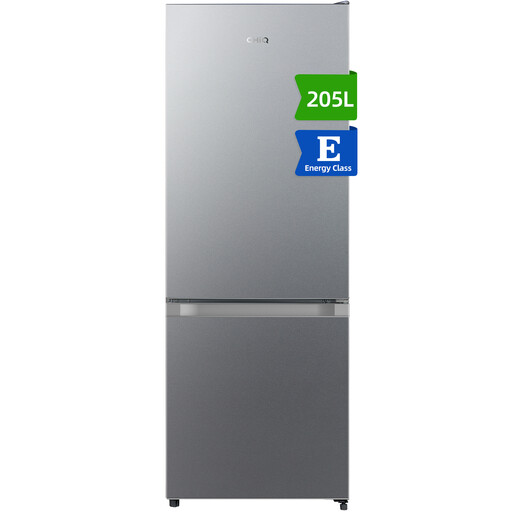
Why this product suits the profile: This combination offers 153 litres of fridge capacity and 52 litres of freezer capacity, with a width of 54 cm. It is therefore suitable for smaller kitchens, flats or additional food storage.
The separate capacity figures prevent the overall size from being considered in isolation. Low Frost reduces ice build-up, but does not eliminate the need for defrosting entirely.
205 litres of total capacity, reversible door, operating noise of 39 dB and energy efficiency class E.
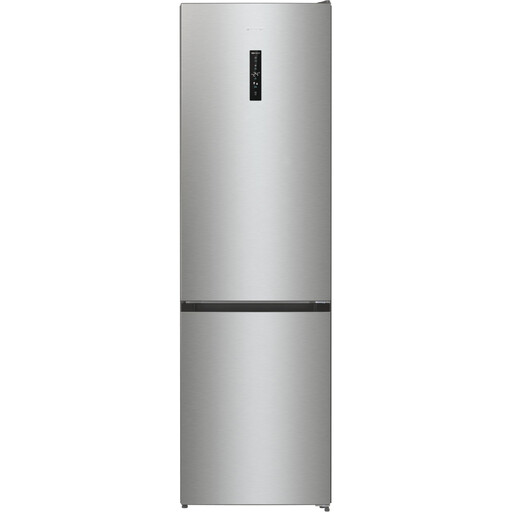
Why this product suits the profile: This appliance combines 331 litres of usable capacity with No Frost in both compartments and a comparatively low noise rating of 35 dB.
No Frost prevents ice build-up in both the fridge and freezer compartments. Nevertheless, the dimensions of 60 × 59,2 × 200 cm should be checked carefully before buying.
235 litres of fridge capacity, 96 litres of freezer capacity, energy efficiency class C, plus Super Cool and Fast Freeze functions.
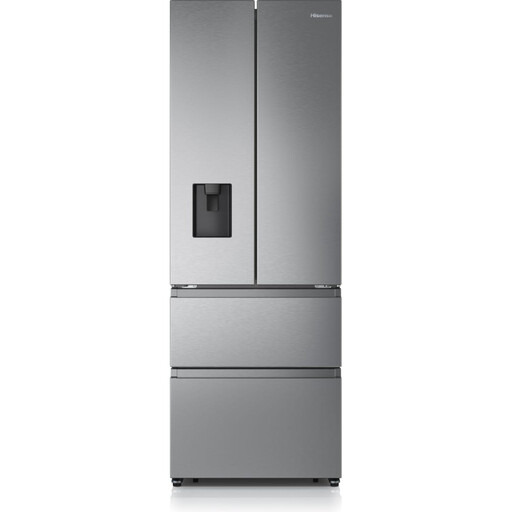
Why this product suits the profile: With its French-door design and 485 litres of total capacity, this appliance is aimed at households that store plenty of fresh food and drinks and want to use an integrated water dispenser.
The features are put into context with specific data: 70 cm wide, 200 cm high, 38 dB, plus separate capacities of 336 and 149 litres.
NoFrostPlus, inverter compressor, FreshZone, CrispZone with humidity control and SuperCool water dispenser.
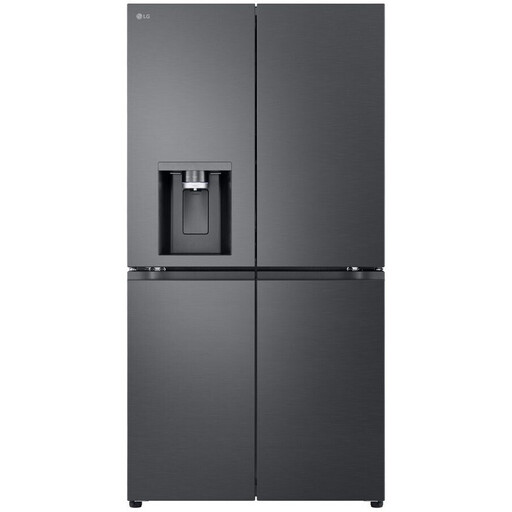
Why this product suits the profile: With 645 litres of total capacity and four freezer drawers, this appliance is designed for large food stocks and regular use by several people.
The high capacity is put into context with approximate external dimensions of 91,4 × 73,3 × 179,2 cm. The available space and delivery route must be checked before buying.
No Frost, energy efficiency class C, 34 dB, ice and water dispenser, plus compatibility with the LG ThinQ app.
We have put together a complete, regularly updated list of products that fully meet these strict selection criteria and the safety regulations applicable in the EU.
The required clearance depends on the model. Follow the manufacturer’s specifications and keep the ventilation openings clear. The door should also be able to open fully. Placing the appliance too close to the wall can restrict heat dissipation and affect energy consumption.
Its lifespan depends on the compressor, usage, ambient temperature, cleaning and the door seals. Regular cleaning, a level installation and sufficient ventilation help support reliable operation. If you notice unusual noises, damaged cables or inadequate cooling, stop using the appliance and contact customer service.
Compare the stated annual consumption in kWh with your current electricity price. The calculation is: annual consumption × electricity price per kWh. The figure shown on the energy label is intended for comparison; actual costs vary depending on room temperature, how full the appliance is, the temperature setting and how often the door is opened.