Preparing raw vegetables for dinner
If you prepare carrot sticks in advance, you’ll need easily accessible, hygienic fridge space to keep them in until they’re served.


For carrot sticks to be served raw that same evening, a practical fridge compartment matters more than a large freezer. The German Federal Institute for Risk Assessment points out that cut raw vegetables spoil more quickly. Keep the sticks chilled and covered until you’re ready to eat them; a freshness compartment is no substitute for good hygiene or eating them promptly. Choose fridge and freezer capacities to suit your household, and check the appliance’s dimensions and annual energy consumption too.
If you prepare carrot sticks in advance, you’ll need easily accessible, hygienic fridge space to keep them in until they’re served.
If your fridge regularly holds food for several people as well as raw vegetables, practical fridge capacity and a suitable layout are important.
When choosing an appliance that will run continuously, compare its size, EU energy label and stated annual energy consumption.
The German Federal Institute for Risk Assessment notes that cut raw vegetables spoil more quickly. So, when choosing an appliance for the evening, start with accessible fridge space rather than promises about freshness.
| Priority | What to check when buying | Who is this important to? |
|---|---|---|
| Keeping carrot sticks chilled | Check there’s room for a covered container, that shelves are easy to reach and that the temperature can be controlled. | When I prepare carrot sticks, I want to be able to keep them in a covered container until they’re served. For around 37% of consumers, keeping raw vegetables chilled in the short term is the most important buying priority. |
| Fridge space for shared meals | Compare fridge and freezer capacities separately, along with shelf heights and the space available for the containers you use. | When several people eat together, I want to fit bowls and other food in the fridge as well as the carrot sticks. This is the deciding factor for around 27% of consumers. |
| Energy consumption | Compare the EU label’s annual kWh figure and the separate compartment capacities; the energy efficiency class alone doesn’t show annual consumption. | As an appliance runs continuously, I want to be able to compare the stated energy consumption of different models. Around 18% of consumers put ongoing electricity costs first. |
| Fit in your kitchen | Check the specific model’s external dimensions, delivery route, door clearance and noise rating. | If space is tight or your kitchen is open-plan, I want to check the dimensions and noise rating before choosing. For around 18% of consumers, getting the right fit is the main priority. |
Cut raw vegetables can spoil more quickly. An appliance feature is no substitute for chilling and covering food or handling it hygienically.
Keep carrot sticks chilled and covered until they’re served. Don’t assume that a manufacturer’s claims about freshness systems guarantee safe storage for a particular length of time.
Total capacity doesn’t tell you how the space is divided between the fridge and freezer. And the energy efficiency class alone is no substitute for comparing the stated annual consumption.
For each model you’re considering, compare the separate compartment capacities and the annual kWh figure on the EU label.
The F.A.Z. Kaufkompass included the Siemens KG39N2IAF and KG49NXIBF in an older comparison; Siemens now lists both as no longer available.
Check the exact model name and the latest manufacturer information before choosing.
The KGN39VIBT is a comparison model for buyers looking at stated fridge capacity and a freshness compartment.
According to the manufacturer, the CBNdgc 5723 combines a Fruit & Vegetable-Safe compartment with NoFrost, making it a useful comparison for storing vegetables and frozen food.
The RB38C607AS9/EF is worth comparing if total capacity and energy efficiency class are important to you.
The freestanding B5RCNA346HG, with its freezer at the bottom, offers a point of comparison for external dimensions and vegetable-compartment features.
The KG39N2IAF and KG49NXIBF are useful for understanding past buying recommendations, not as currently confirmed options to buy.
This selection includes fridge-freezers and a multi-door fridge. It’s for households weighing up how much space they need in the fridge for carrot sticks and other food.
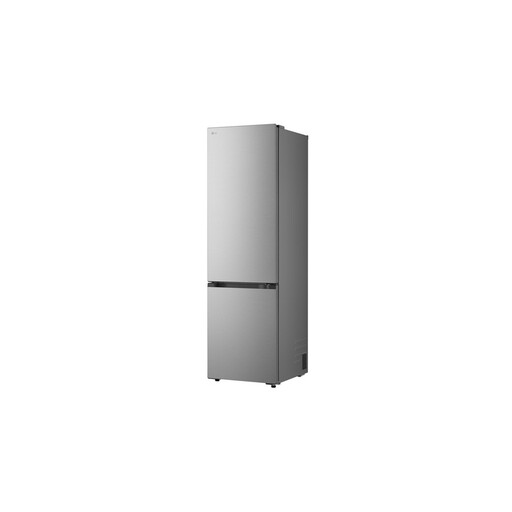 No image available
For households that want room in the fridge for other food as well as carrot sticks.
Fridge capacity: 262 l; total capacity according to product name: 375 l; No Frost; 175 kWh/a; energy efficiency class C; four glass shelves; FRESHConverter+ compartment.
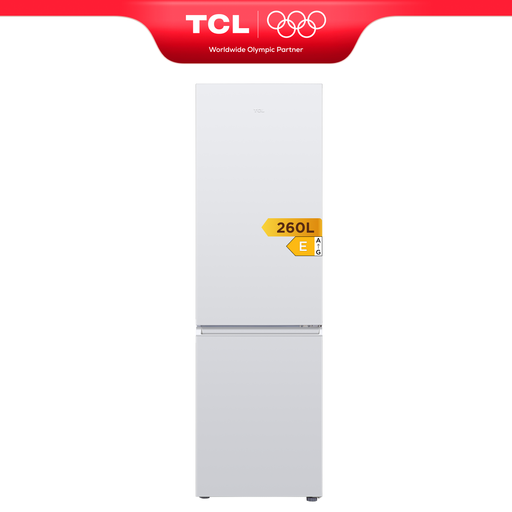 No image available
An option if a fridge compartment with a Fresh Zone and adjustable shelves suits your needs.
Fridge capacity: 187 l; freezer capacity: 73 l; Fresh Zone; height-adjustable shelves; 55 cm compact size; reversible door; energy efficiency class E.
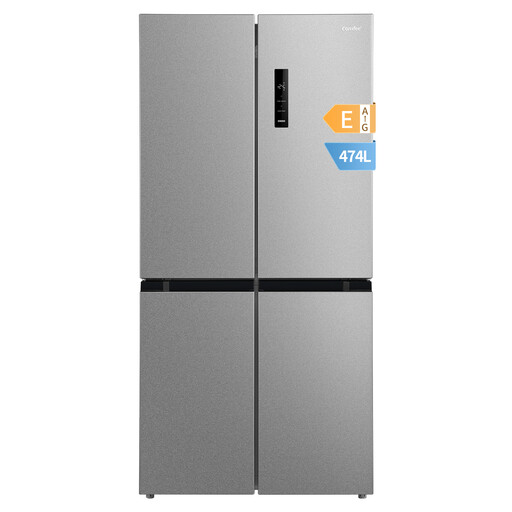 No image available
For a shared household considering a large overall capacity and a separate vegetable drawer.
Total capacity: 474 l; vegetable drawer with three adjustable temperature settings; Vario Box; Flip Tray; external temperature control; energy efficiency class E.
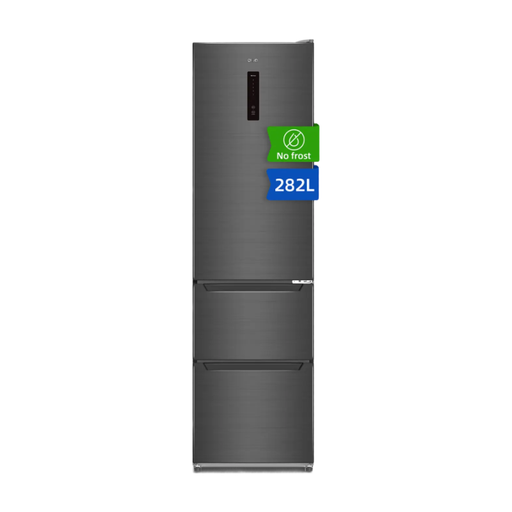 No image available
A possible choice if separate storage areas and a dedicated freshness compartment are important for organising your food.
Total capacity according to product name: 282 l; freshness compartment: 197 l; No Frost; touch controls for temperature adjustment; 54 cm wide and 192 cm high; energy efficiency class E.
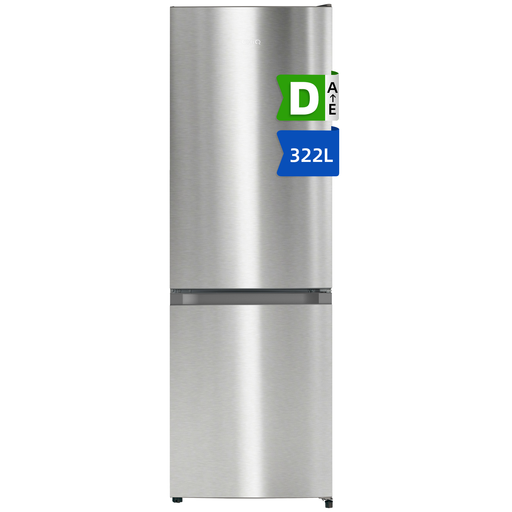 No image available
For households looking for a stated fridge capacity and a full-width vegetable drawer.
Total capacity according to product name: 322 l; fridge capacity: 226 l; full-width crisper drawer; Total No Frost; annual energy consumption: 196 kWh; energy efficiency class D; 59 cm wide and 185 cm high. At 63,5 cm deep, the appliance extends beyond a 60-cm-deep worktop, according to the product description.
Keep them chilled and covered until you’re ready to eat them. The German Federal Institute for Risk Assessment points out that cut raw vegetables spoil more quickly; a vegetable compartment doesn’t guarantee they’ll keep safely for a particular length of time.
Wipe away condensation, clean the fridge regularly and store fruit and vegetables separately from eggs and meat. The consumer advice centre also recommends not overfilling the fridge, as this can restrict air circulation.
For the models you’re considering, compare the annual consumption in kWh shown on the EU label and the separate compartment capacities. The consumer advice centre points out that a larger appliance can use more electricity; the energy efficiency class alone doesn’t tell you the whole story.
Among other things, the EU label shows the A to G efficiency scale, annual energy consumption, compartment capacities and noise emissions. The European Commission lists these as comparison information for fridges and freezers.
If you’re serving the sticks raw that same evening, practical fridge space matters more than freezer capacity. Give freezer capacity and drawers more consideration if you regularly freeze other food too.