Rather than simply choosing the largest appliance, look for one with enough fridge space for your cheese portions and other ingredients, and that fits comfortably in the space you have available. If you don’t need a freezer compartment, a fridge without one may offer more uninterrupted fridge space. With a fridge-freezer, compare the fridge and freezer capacities separately, as well as the annual energy consumption. For storing cheese, the Verbraucherzentrale recommends following the instructions on the packaging and generally keeping cheese on an upper fridge shelf.
Who should consider this decision?
Families with several portions of cheese
If you want to keep cheese and other ingredients for a shared meal neatly chilled, look for suitable storage and shelves that are easy to use. The Verbraucherzentrale recommends storing cheese according to the instructions on the packaging.
Families doing a larger weekly shop
The usable fridge capacity is key for cheese and other chilled food. Also consider whether you need a freezer compartment in the same appliance.
Households with limited space
Check the width, depth and height, as well as the space needed to open the door. A compact exterior should still offer enough fridge space for your needs.
What should you look for when buying?
Fridge without a freezer compartment
A good fit if: You already have a freezer elsewhere or don’t need one, and want space for chilled food.
The trade-off: You can’t freeze anything in the appliance; an oversized fridge that is only partly used may consume more electricity.
Fridge-freezer
A good fit if: You want to store frozen food for family meals in the same appliance.
The trade-off: The freezer takes up some of the total capacity. Compare the usable fridge and freezer capacities separately.
| Priority |
What to look for |
Who is this particularly important for? |
| Storing cheese properly |
Easy-to-reach shelves that may be adjustable; follow the instructions on the packaging and don’t wrap cheese completely airtight. The Verbraucherzentrale recommends using a suitable cheese container or cheese dome. |
If I want to store several portions of cheese for a shared meal, clear shelving and suitable storage matter. For around 36 % of consumers, storing cheese properly is the top priority. |
| Fridge space for food |
Compare the fridge capacity in litres and the shelves with your actual needs, rather than looking only at the total capacity. The European Commission lists fridge and freezer capacities separately on the energy label. |
If there needs to be room for ingredients and other chilled food as well as cheese, usable fridge space is key. For around 29 % of consumers, having enough room for family food comes first. |
| Energy consumption |
For appliances of a similar size that meet your needs, compare the annual kWh figure on the EU energy label, taking usable capacity and energy efficiency class into account. The European Commission lists these as information shown on the label. |
When choosing an appliance that suits my needs, I also want to keep an eye on its running costs. Around 21 % of consumers put operating costs first. |
| Available space and freezer needs |
Measure the appliance’s external dimensions and the space needed to open the door; for a fridge-freezer, check the fridge and freezer capacities separately. The EU energy label shows the respective storage capacities. |
If there’s limited room in the kitchen or you want to store frozen food in the appliance, its design needs to suit both requirements. For around 14 % of consumers, kitchen fit and freezer needs come first. |
Common buying mistakes
-
Confusing total capacity with fridge space
With a fridge-freezer, some of the stated capacity belongs to the freezer. If you only look at the total figure, you may overestimate the space available for cheese and other fresh food.
Compare the fridge and freezer capacities separately, and check that the shelves suit the packaging and containers you use regularly.
-
Assuming a specialist compartment is ideal for storing cheese
A freshness compartment described as being for fruit and vegetables doesn’t mean it is particularly suitable for cheese. The storage instructions for your cheese still matter, even in a new fridge.
Follow the instructions on the packaging and check that the upper shelves are easy to reach. The Verbraucherzentrale recommends using a suitable cheese container or cheese dome rather than wrapping cheese completely airtight.
-
Comparing only the purchase price or energy efficiency class
The energy efficiency class alone doesn’t show the annual consumption of a particular appliance. Fridges of different sizes can’t be meaningfully compared based on the letter alone, either.
For appliances of a similar size that meet your needs, compare the annual consumption in kWh shown on the EU energy label and factor in how long you expect to use the appliance. The Verbraucherzentrale notes that larger appliances may use more electricity.
-
Checking installation and additional services only after ordering
Suitable external dimensions aren’t the only thing to consider: the doorway and the terms for delivery, connection or removal of your old appliance may also affect installation.
Measure the space where the appliance will go and the doorway, and check the delivery and service terms that apply to your offer before buying.
Suitable brands and models at a glance
Bosch
The KSV36VWEP is a freestanding fridge without a freezer compartment, designed for households that need plenty of uninterrupted fridge space.
- Bosch lists 346 l of fridge space for this model, along with pull-out or adjustable shelves and a Super Cooling function.
- The appliance has no integrated freezer compartment; Bosch gives it energy efficiency class E. These details apply to this model.
Liebherr
The Rd 4200 Pure is a shorter freestanding fridge with no freezer compartment, which may suit households with limited space for a tall appliance.
- Liebherr lists a total capacity of 247 l, a height of 125,5 cm, and adjustable or split glass shelves.
- Liebherr describes the EasyFresh compartment as being for fruit and vegetables; this doesn’t give it any particular advantage for storing cheese.
Beko
The B3RCNO255XB is a 54 cm-wide fridge-freezer, if you also need a freezer compartment in the appliance.
- Beko lists energy efficiency class D, No Frost and a reversible door for this model.
- For cheese and other chilled ingredients, fridge capacity matters, not the total capacity of the fridge-freezer. These specifications apply to this model.
Siemens
The KG39N2XAF product sheet shows how the fridge and freezer capacities of a fridge-freezer are listed separately.
- Siemens lists 260 l of fridge capacity and 103 l of freezer capacity for this model.
- The German product page marks this model as no longer available. These details can’t be applied to other Siemens appliances.
Joybuy product selection
This selection includes fridges without a freezer compartment and fridge-freezers for households looking to chill cheese and other ingredients for shared meals.
 No image available
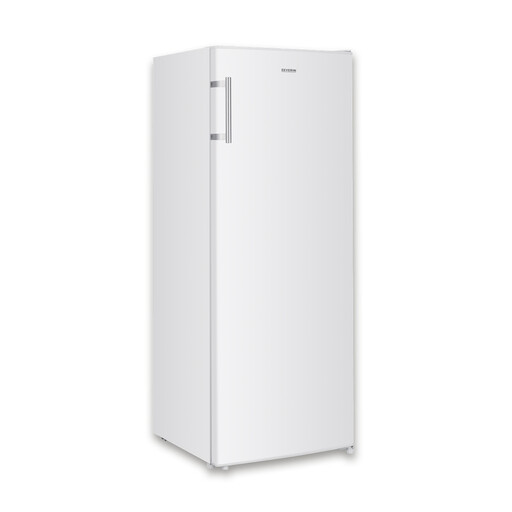
SEVERIN VKS 8817, 242 l, energy efficiency class D
This model may suit you if you need fridge space for cheese and other ingredients but don’t need a freezer compartment in the appliance.
242 l; 83 kWh per year; height 143 cm; adjustable shelves; energy efficiency class D.
View at Joybuy
 No image available
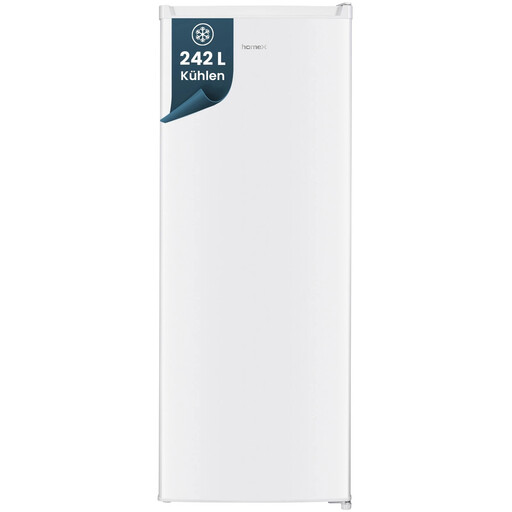
homeX CS2421E-W, 242 l, energy efficiency class E
This fridge may suit you if you need space for chilled food alongside cheese, but don’t need a freezer compartment in the appliance.
242 l; energy efficiency class E. The product description states that it needs to be defrosted manually, so factor in this maintenance when making your choice.
View at Joybuy
 No image available
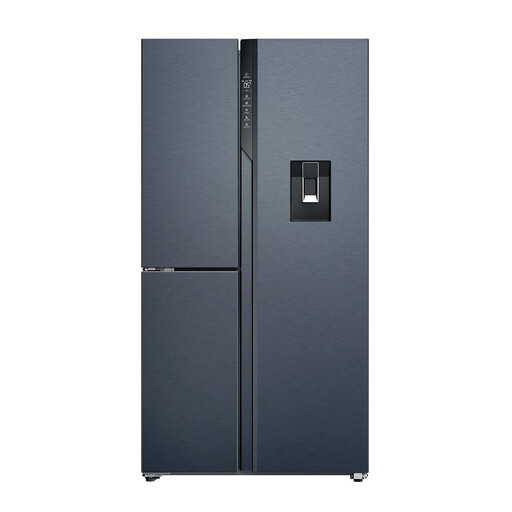
Haier HSPR79F18EWMB S+ 7, side-by-side, energy efficiency class E
This side-by-side fridge-freezer may suit you if you want to store chilled ingredients and frozen food in the same appliance.
Energy efficiency class E. Before buying, check the fridge and freezer capacities listed for the specific offer, as well as the external dimensions of 905 × 1775 × 707 mm.
View at Joybuy
 No image available
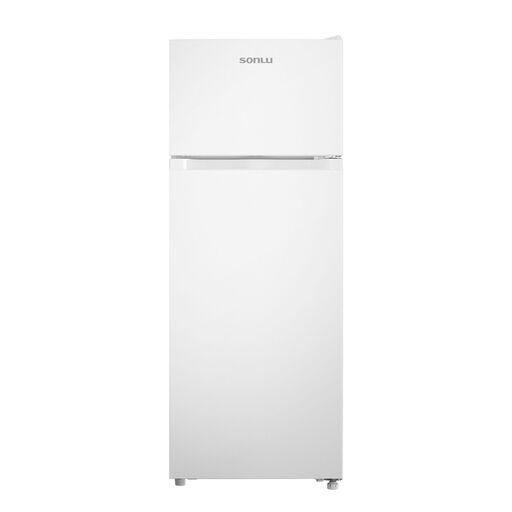
Sonlu TMF CD-240F, 206 l, top freezer compartment, energy efficiency class E
This fridge-freezer with a top-mounted freezer compartment may suit you if you want to chill cheese and other fresh food while also keeping frozen food in the same appliance.
206 l; 55 cm wide; adjustable shelves; energy efficiency class E.
View at Joybuy
 No image available
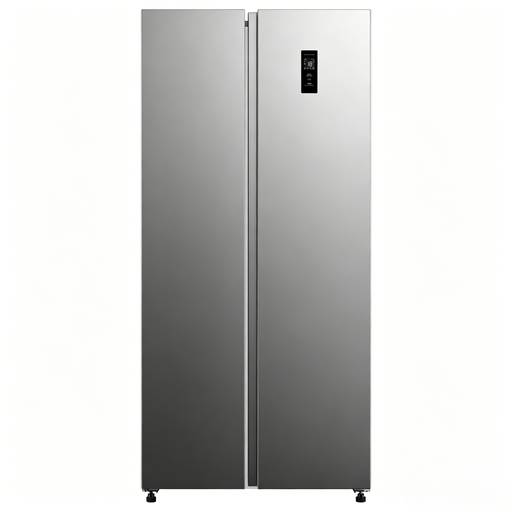
Sonlu CC-520WE, 444 l, side-by-side, 83 cm wide, energy efficiency class E
This fridge-freezer may suit households that want to keep chilled and frozen food together and have enough space for an appliance 83 cm wide.
276 l of fridge space and 168 l of freezer space; No Frost; 83 cm wide; energy efficiency class E.
View at Joybuy
Frequently asked questions
Where should I store portions of cheese for a family meal?
First, follow the storage instructions on the packaging. The Verbraucherzentrale recommends storing cheese at around 8 °C on an upper fridge shelf and advises against wrapping it completely airtight. You can use a suitable cheese container or cheese dome for storage.
What temperature should I check for cheese in the fridge?
Check the temperature in the compartment you actually use and follow the food’s storage instructions. The Verbraucherzentrale recommends 7 °C on the top shelf as a guide for the fridge setting, and around 8 °C on an upper shelf for cheese.
What information does the energy label show for fridges in Germany?
New household refrigeration appliances covered by the rules use the EU energy label, with a scale from A to G. The European Commission lists energy efficiency class, annual consumption, storage capacity and noise emissions among the information shown on the label. According to Your Europe, the required label must also be visible for covered products sold online.
What should I know about my old fridge and what to do if there’s a fault?
Electrical appliances at the end of their life must be collected separately. Local collection points generally take them back free of charge, as the Umweltbundesamt explains. Check whether removal of your old appliance is offered as part of your specific delivery. If there’s a fault, statutory consumer rights should be distinguished from a voluntary guarantee, as the Verbraucherzentrale explains.


