Households eating at different times
If you take prepared cheese portions out at different mealtimes, clearly arranged shelves and suitable cooling for cheese can make all the difference.


For cheese portions that you’ll take out over several meals, having a well-organised fridge is more important than having an especially large freezer. If you also freeze other food, compare freezing performance, annual energy use, dimensions and defrosting requirements separately. The Verbraucherzentrale recommends storing cheese at around 8 °C on the top shelf of the fridge; always follow the storage advice on the packaging for the cheese in question.
If you take prepared cheese portions out at different mealtimes, clearly arranged shelves and suitable cooling for cheese can make all the difference.
If you regularly freeze other food as well as storing cheese, consider the freezer’s storage capacity, freezing capability and defrosting requirements separately.
If your kitchen has limited space, the appliance’s external dimensions and the balance between fridge and freezer space matter more than the largest possible total capacity in litres.
First, work out how much easily accessible fridge space you need for your cheese portions. Then compare your additional freezer needs, energy use and available space.
| Priority | What to check | Who is it important for? |
|---|---|---|
| Keeping cheese easy to organise | Check the fridge capacity, how accessible and adjustable the shelves are, and the temperature controls on the specific model. | If you take portions out for several meals, easy-to-reach shelves and suitable cooling matter more than a large total capacity. Around 33% of consumers are likely to put well-organised fridge space first. |
| Freezing extra food | Compare freezer capacity, stated freezing capability and defrosting technology for the exact model. According to the Bundeszentrum für Ernährung, three-star compartments are suitable for long-term storage; four-star compartments are needed to freeze food. | If you regularly freeze other food, you’ll want to consider the freezer function without losing sight of the fridge space you need for cheese. Around 27% of consumers are likely to prioritise freezing food themselves. |
| Energy use | For appliances that are the right size for your needs, compare the EU energy label figures for kWh/year and compartment capacity. You can work out your own costs using your electricity tariff. | If the appliance runs all year round, you’ll want to compare the annual energy use of a suitably sized model rather than looking only at its efficiency rating. Around 20% of consumers are likely to prioritise ongoing electricity costs. |
| Space and defrosting | Check the exact model’s external dimensions, door opening direction, clearance for opening the door and defrosting technology. LowFrost or MinFrost reduce ice build-up, but are not the same as NoFrost. | If space is limited or you have little time for appliance maintenance, weigh up the dimensions and defrosting requirements together. Around 20% of consumers are likely to consider space and maintenance first. |
The European Commission explains that the EU energy label for fridges and freezers includes information such as energy efficiency class, annual energy consumption, compartment capacity and noise emissions. Compare energy use for appliances that are the right size for your actual needs.
For cheese portions, the usable fridge space is what matters. The Verbraucherzentrale points out that larger fridges can use more electricity.
Compare fridge and freezer capacity separately with your needs, and check the external dimensions too.
On the models described, LowFrost and MinFrost mean reduced ice build-up. They do not mean you’ll never have to defrost the appliance manually.
Check the defrosting technology against the full model code and the specific product details.
The name of a freshness compartment does not replace the storage advice for the particular type of cheese.
Follow the packaging instructions and check what temperature the compartment can actually be set to.
Samsung notes that the AI Energy Mode described can raise the fridge temperature, which may affect the condition of food. This warning relates to the specific feature mentioned.
If a model has a similar feature, check its settings and the fridge temperature your food needs.
The KG39EAICA and KG39E8IBA show how to compare specific fridge freezers by energy use, compartment capacity and defrosting technology.
The KGN36VICT offers a NoFrost option, while the KGE39AICA is a larger LowFrost option. The right choice depends on which layout and defrosting technology suit your needs.
The RCSA300K40SN is a specific example of a narrower freestanding fridge freezer, where it’s worth balancing the width against the maintenance involved.
The CBNsda 5223 Plus combines a NoFrost freezer with additional freshness compartments. Its suitability depends on whether its size and compartment settings work for your kitchen and meet the storage guidance.
The RB53DG706AS9EF is a wide fridge freezer for households that genuinely need plenty of fridge and freezer space.
The Joybuy models below are fridge freezers with stated fridge and freezer compartments. Depending on your needs, they differ in features such as shelves, dimensions and defrosting options.
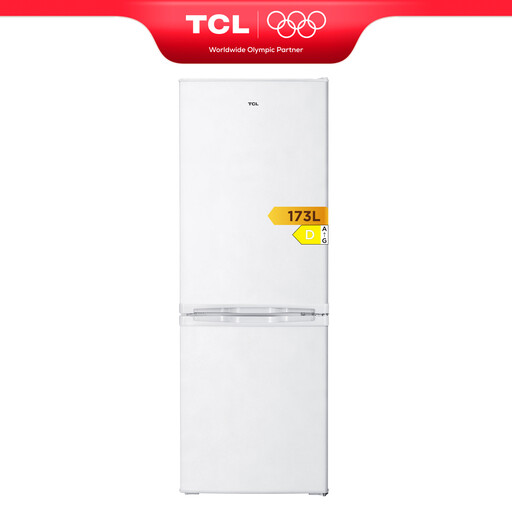 No image available
The separately stated compartment capacities and adjustable shelves may be useful if you want to organise the fridge space flexibly.
Fridge: 121 l; freezer: 52 l; energy efficiency class D; adjustable shelves; LED lighting.
 No image available
The separate compartments and three glass shelves may suit households that need fridge space as well as room to freeze extra food.
Total usable capacity: 173 l; fridge: 121 l; freezer: 52 l; three glass shelves; energy efficiency class C; 124 kWh/year; width: 49,5 cm; height: 142,5 cm; four-star freezer compartment.
The Bundeszentrum für Ernährung recommends four-star compartments for freezing food.
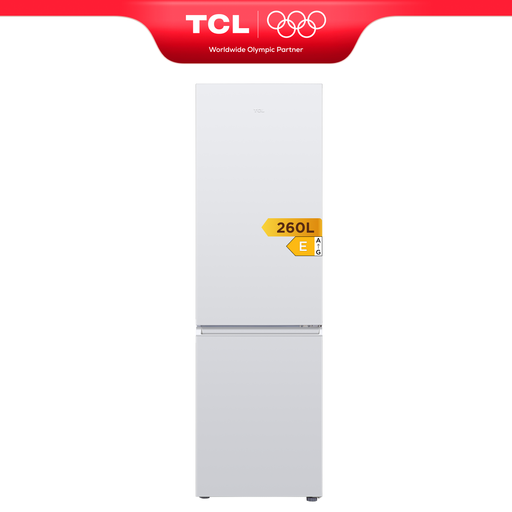 No image available
The separate fridge and freezer capacities, along with the height-adjustable shelves, can help you check whether the appliance offers enough storage space.
Fridge: 187 l; freezer: 73 l; width: 55 cm; energy efficiency class E; height-adjustable shelves; reversible door; adjustable feet.
 No image available
The stated width and adjustable shelves can help you check whether the appliance will fit in a tight space and meet your fridge storage needs.
Fridge: 187 l; freezer: 75 l; width: 54 cm; height: 176 cm; four-star freezer compartment; Low Frost; three height-adjustable shelves; reversible door; adjustable feet.
According to the product description, Low Frost reduces ice build-up but does not eliminate the need for manual defrosting. It states that manual defrosting is needed around once or twice a year.
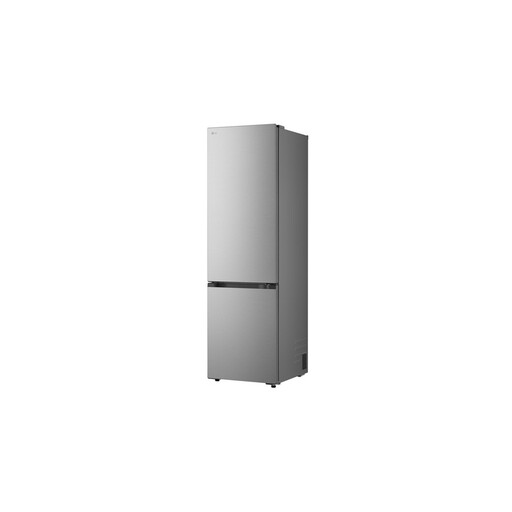 No image available
This model has stated fridge and freezer capacities, as well as Total No Frost. Before choosing it, check that the compartment settings are suitable for the storage advice for your types of cheese.
Total capacity: 375 l; fridge: 262 l; freezer: 113 l; energy efficiency class C; four-star compartment; reversible door; dimensions: 59,7 × 203 × 67,4 cm.
The product description gives a cheese setting of 2 °C for the FRESHConverter+ zone. The Verbraucherzentrale recommends storing cheese at around 8 °C on the top shelf of the fridge. Follow the storage advice for the type of cheese in question, rather than relying on the compartment name alone.
First, follow the instructions on the packaging. The Verbraucherzentrale recommends storing cheese at around 8 °C on the top shelf of the fridge.
No. According to the Bundeszentrum für Ernährung, three-star compartments are suitable for long-term storage of frozen food at at least −18 °C; four-star compartments are needed to freeze food. This does not mean that every type of cheese should be frozen.
Compare the energy efficiency class, annual energy consumption, compartment capacity and noise emissions on the EU energy label. The scale for covered household refrigeration appliances runs from A to G; the label must be shown for products sold online that are required to carry one. You can use your own electricity tariff to turn the stated energy use into a personal cost estimate.
As the Umweltbundesamt explains, local collection points generally accept old electrical appliances from private households free of charge. Check the specific offer to see whether the seller provides delivery, installation or collection of your old appliance.