Families serving a cheese board
You need practical fridge space for several portions of cheese and other ingredients. Follow the storage instructions on the packaging and the food hygiene advice from the Federal Institute for Risk Assessment.


First, choose a fridge compartment that can accommodate your cheese containers and other ingredients, then measure the space available and the doorway; the Consumer Advice Centre recommends working out how much space you need before you buy. Compare fridge and freezer capacity separately: a larger freezer compartment is worthwhile mainly if you regularly store other suitable foods in it, and it cannot replace the right amount of fridge space for cheese.
You need practical fridge space for several portions of cheese and other ingredients. Follow the storage instructions on the packaging and the food hygiene advice from the Federal Institute for Risk Assessment.
If you regularly freeze suitable foods as well as storing cheese, the balance between fridge and freezer space matters. The Lower Saxony Consumer Advice Centre notes that hard cheese can become crumbly or lose flavour after thawing.
You’ll need to match the usable storage space to the appliance dimensions and doorway. The Consumer Advice Centre recommends considering the size you need before you buy.
First check that your cheese containers and ingredients will fit on the fridge shelves. Then you can decide how much freezer space you really need.
In this buying scenario, consumers each identify the factor that matters most to them.
| Priority | What to look for when buying | Who this matters most to |
|---|---|---|
| Keeping cheese at the right temperature | Space for your cheese containers and the storage instructions on the packaging; check the temperature of the intended storage area if necessary. | If I want to keep portions of cheese at the right temperature until it’s time to eat, I check the storage instructions and the usable shelf space. Around 36% of consumers say storing cheese is their main buying priority. |
| Space for a family meal | Compare fridge and total capacity separately; check the shelves, shelf heights and door opening against your containers and available space. | I want to store cheese and other ingredients neatly, so I also measure the space available. Around 29% of consumers put space for a family meal first. |
| Choosing the right freezer space | Match the freezer capacity and drawers to your other groceries; consider the defrosting system and how you plan to use it. | If I regularly freeze other suitable foods as well as cheese, I need enough separate freezer space for them. Around 21% of consumers say frozen food storage is their main priority. |
| Ongoing electricity consumption | Compare annual consumption in kWh and capacity for the specific model variant; use your own electricity tariff to work out your personal costs. | I want to compare electricity consumption once I know how much storage space I need. Around 14% of consumers put ongoing costs first. |
According to manufacturers, specialist compartments can sit just above 0 °C. However, the right storage conditions depend on the instructions for the particular type of cheese.
Check the packaging and the temperature of the compartment you plan to use, rather than relying on the name of the freshness feature alone.
The total capacity doesn’t tell you how much usable space there is in the fridge and freezer separately. A larger appliance may also take up more floor space.
Compare the stated capacity in litres for both compartments and check that the shelves will fit your containers.
Hard cheese can become crumbly or lose flavour after freezing. Other types of cheese are not necessarily suitable for freezing.
If you want to serve cheese without changing its texture, make sure you have enough fridge space and check whether freezing is suitable for each type.
The freestanding KGN39AIBT is a model with separate stated capacities for the fridge and freezer.
The GBBS322CEV and GBBS727AEV ranges offer different features, so the exact model variant matters.
According to Liebherr, the CBNsda 5223 Plus combines a separate BioFresh compartment with NoFrost.
The freestanding B5RCNE365HXB is a fridge freezer with NoFrost Dual Cooling.
The RB38C607AS9/EF is a 387 l fridge freezer with No Frost+.
This selection features fridge freezers with separate stated capacities for the fridge and freezer. Compare the layout with the space you need for portions of cheese and your other groceries.
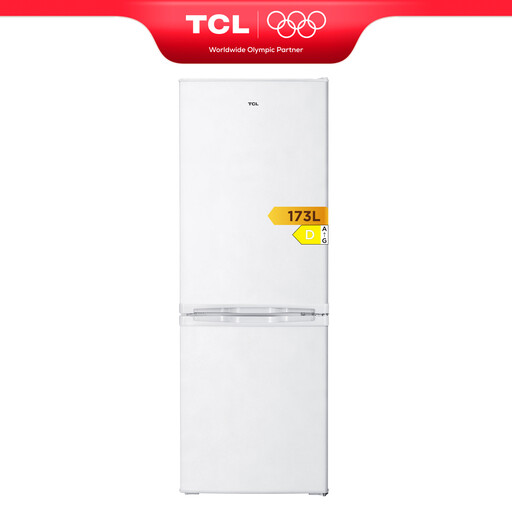 No image available
The separately stated compartment capacities and adjustable shelves can help when you’re arranging containers of different sizes.
 No image available
The separate capacities help you plan fridge space for cheese and ingredients alongside freezer space for other groceries.
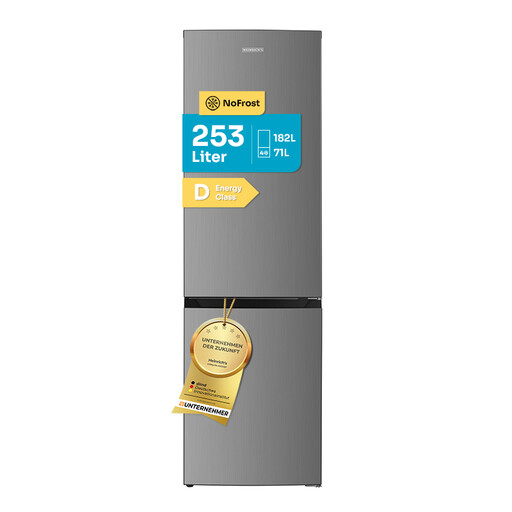 No image available
The separate fridge and freezer compartments make it easier to match the layout to your storage needs for fresh ingredients and other groceries.
 No image available
The separate compartments and shelves give you a practical way to organise cheese containers and other foods in the fridge.
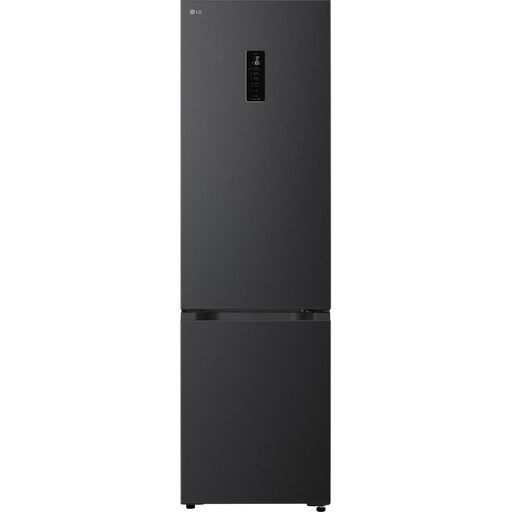 No image available
The product information lists a selectable cheese setting of 2 °C; always follow the storage instructions on the packaging for the specific type of cheese.
Start by following the storage instructions on the packaging. The Consumer Advice Centre recommends the top shelf of the fridge for cheese in general, at around 8 °C; the Federal Institute for Risk Assessment recommends 2 °C to no more than 7 °C for perishable foods. So don’t apply general advice for cheese to cream cheese or other perishable products without checking first.
According to the Lower Saxony Consumer Advice Centre, hard cheese can be frozen, but it may become crumbly or lose flavour afterwards. It’s then better suited to cooking or melting under the grill; similar suitability has not been established for other types of cheese.
Measure the floor space and door clearance using the instructions for your chosen model variant. If you have enough room, compare the figures in kWh/year; according to the Consumer Advice Centre, actual consumption also depends on where the appliance is installed and how it’s used.
The EU energy label must be visible online for new fridge and freezer appliances covered by the requirements. The European Union’s current scale for refrigerating appliances runs from A to G; the old plus-rated classes are no longer the current basis for comparison.
Old electrical appliances must not be put in household waste. Retailers covered by the take-back rules must accept an old appliance of the same type, with broadly the same functions, free of charge when you buy a new one. Before delivery, check with the retailer who is responsible and how the take-back will work.