Weekly cheese shoppers
If you buy several portions at once, well-organised fridge space makes it easier to keep track of your cheese and other fresh groceries.


If you get through your cheese within the week, well-organised fridge space matters more than having a particularly large freezer; choose its capacity to suit the rest of your frozen food. Then compare the separate fridge and freezer capacities, annual energy consumption and dimensions: more storage space can mean higher energy use. For cheese, also follow the guidance for the particular variety and use suitable packaging that is not completely airtight.
If you buy several portions at once, well-organised fridge space makes it easier to keep track of your cheese and other fresh groceries.
If you regularly store frozen food as well as fresh groceries, size the fridge and freezer compartments separately to suit your needs.
If floor space is limited, the dimensions, recess and door clearance will determine how easy the combination is to use day to day.
First, work out how much usable fridge space you need for your weekly shop, then size the freezer compartment to suit the other food you freeze. Next, compare energy consumption, installation dimensions and maintenance requirements.
| What matters | What to check before buying | Who should pay particular attention? |
|---|---|---|
| Easy-to-organise cheese storage | Adjustable shelves, space for separate portions and the temperature at the intended storage point. | If I want several portions of cheese close to hand during the week, I look for practical shelves and a suitable storage spot. Around 36% of consumers put suitable refrigeration for cheese first. |
| Compartment layout | Separate capacity figures in litres for the fridge and freezer, plus space for your usual containers and groceries. | If you need room for fresh groceries and want to size the freezer to suit the rest of your provisions, you need the right balance between compartments, not just a high total capacity. Around 29% of consumers prioritise this. |
| Annual energy consumption | Compare kWh per year and the individual compartment capacities on the EU energy label; choose an appliance that is the right size for your needs. | If running costs matter to me, I compare annual energy consumption with the capacity of an appliance that is the right size. Around 21% of consumers prioritise energy consumption. |
| Where it will go and maintenance | Check the external dimensions, door clearance, removable shelves and the defrosting information for the exact model. | If space is limited or the recess is narrow, I want to be sure the door can open and the interior is easy to use. Around 14% of consumers prioritise installation and defrosting requirements. |
The temperature in a freshness zone is not automatically right for every type of cheese. A drawer’s name alone does not tell you whether it is the right place to store your portions.
Follow the guidance for the particular cheese and check the temperature at the spot where you plan to store it.
For your weekly shop, what matters is how the space is divided between the fridge and freezer. A high total capacity does not tell you whether there will be enough room for fresh food.
Compare the separately listed capacities and annual energy consumption with the amount of food you actually store.
KGN36VICT and KGN36VWED are different model codes. Information about one model cannot necessarily be applied to the other.
Before buying, check the full model code and compare the appliance specifications that matter to you.
The freestanding KGN39VIBT is an example of a model with separately listed fridge and freezer capacities.
The RB38C607AB1/EF is an example of a freestanding fridge freezer with a total capacity of 387 l.
According to its model specifications, the CBNdgc 5723 Plus combines BioFresh, NoFrost and separate cooling circuits.
The model range includes different designs and defrosting types; the B1RCNE364XB is one example, measuring 59.5 cm wide and featuring No Frost.
The fridge freezers below list their fridge and freezer capacities separately. This makes it easier to compare the layout with your weekly shop and other freezer needs.
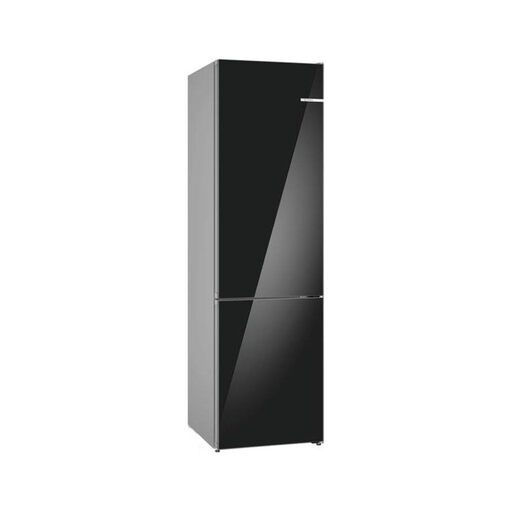 No image available
With 260 l of fridge space and three adjustable shelves, you can organise the interior to suit your fresh groceries.
260 l fridge capacity and 103 l freezer capacity; NoFrost and a 4-star freezer compartment.
Stated annual energy consumption: 162 kWh. Dimensions: 2030 × 600 × 665 mm; the door is reversible.
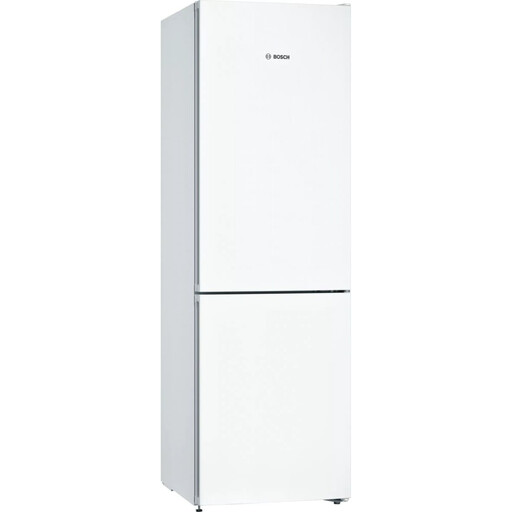 No image available
With 237 l of fridge space and two adjustable shelves, it offers a practical layout for fresh groceries; the model is 60 cm wide.
89 l freezer capacity, NoFrost and a 4-star freezer compartment; the door is reversible.
According to the product description, the 0°C drawer is designed for meat and fish. For cheese, follow the guidance for the particular variety and check the temperature of the compartment you plan to use.
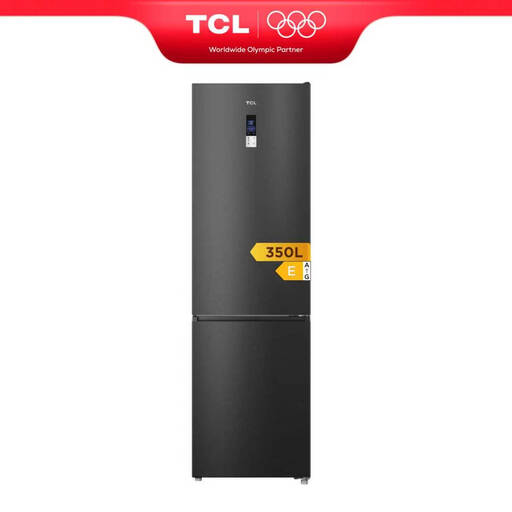 No image available
The model lists the fridge, freezer and variable compartment separately, so you can compare the layout with your changing storage needs.
312 l fridge capacity, 66 l freezer capacity and a 78 l variable compartment; Total No Frost is specified.
 No image available
With 220 l of fridge space and three shelves, the layout for fresh groceries is clearly set out.
113 l freezer capacity and a 4-star freezer compartment; Total No Frost is specified.
Annual energy consumption: 169 kWh. Dimensions: 597 × 1860 × 674 mm; the door is reversible.
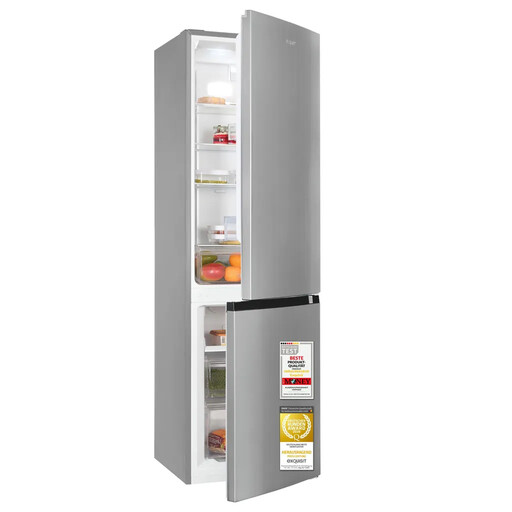 No image available
With 182 l of fridge space and 71 l of freezer space, you can compare the compartment layout directly with your shopping and storage needs.
No Frost for both the fridge and freezer compartments, plus a 4-star freezer compartment.
Annual energy consumption: 141 kWh. The appliance is 54.5 cm wide; the door is reversible.
No. The name alone does not make it suitable for every type of cheese. The Verbraucherzentrale recommends a temperature of around 8°C for cheese on the upper fridge shelf and advises following the food’s storage instructions. So check the temperature of the shelf you plan to use.
No. Freezing capability depends on the features of the specific compartment. The Federal Centre for Nutrition distinguishes between compartments for short-term storage and those designed to freeze fresh food, identifying the four-star compartment for this purpose. Check the appliance’s label.
Follow the guidance for the particular variety and keep the cheese in the fridge. The Verbraucherzentrale advises against wrapping it in completely airtight packaging and recommends using a suitable cheese container or cheese dome.
Compare the stated annual energy consumption in kWh for an appliance that is the right size for your needs. Also check the specific offer for delivery, installation and any additional services. The Verbraucherzentrale points out that statutory consumer rights are different from a voluntary guarantee.
The German Environment Agency states that old electrical appliances must not be put in household or bulky waste. When buying a corresponding new appliance, you can return a large old one, such as a fridge, free of charge; recycling centres are another option.