What should you look for when buying?
First decide whether you’ll mostly eat the portions chilled soon or freeze them for later meals. Then you can compare the layout, container dimensions and space required more effectively.
| What you need |
What to check before buying |
Who will benefit most? |
| Fridge space for meals coming up soon |
Room for the sealed containers you actually use, as well as easy-to-reach shelves and a fridge temperature you can monitor. |
If several people take out their portions at different times without wanting to move other containers, easy-to-reach fridge space is especially important. Around 36% of consumers prioritise safe, accessible chilled storage. |
| Freezer space for later |
Check freezer capacity and drawer dimensions separately from the total capacity; if you’re freezing food yourself, make sure the freezer compartment is suitable. |
If you won’t eat the portions at your next meals, there needs to be space for individually packed portions. Around 29% of consumers put freezer space for meals planned for later at the top of their list. |
| An easy-to-organise layout |
Check whether your containers will fit on the shelves and in the drawers, and whether you can keep portions clearly separated. |
If you share batch-cooked food with others, you’ll want to find your own portions easily rather than repeatedly taking out other containers. Around 21% of consumers prioritise keeping food well organised and separate. |
| Space and energy use |
Measure the height, width and depth, as well as the door clearance at the installation site. If several appliances are a similar fit, compare their annual consumption in kWh. |
If kitchen space is limited and running costs are a factor, the appliance needs to fit both requirements. Around 14% of consumers put this balance first. |
For fridge-freezers that require an energy label, the EU energy label must also be clearly visible in online shops. The annual kWh figure and the separate usable capacities help you compare appliances, but they can’t predict exactly how much energy one will use in your home.
Joybuy products for your meal plan
This selection from Joybuy includes fridge-freezers for chilled portions and food you’re saving for later.
 No image available
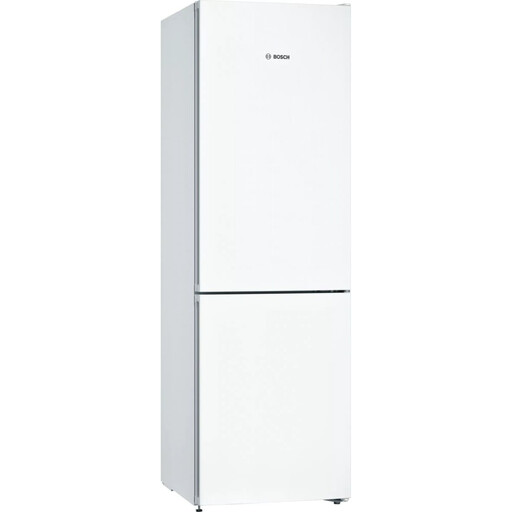
Bosch Serie 4 KGN36VWED fridge-freezer, White
The separate fridge and freezer compartments are ideal for organising chilled portions and food you’re saving for later.
237 l of fridge space and 89 l of freezer space; three freezer drawers and a 4-star freezer compartment.
Four glass shelves, two of which are height-adjustable; EasyAccess shelf and three door shelves.
View at Joybuy
 No image available
exquisit KGC5232-60-E-040C, stainless steel look
The separately listed capacities make it easier to weigh up how much room you’ll need for chilled portions and frozen food.
121 l of fridge space and 52 l of freezer space; 4-star freezer compartment.
Three glass shelves and a vegetable drawer; 49,5 cm wide and 142,5 cm high.
View at Joybuy
 No image available
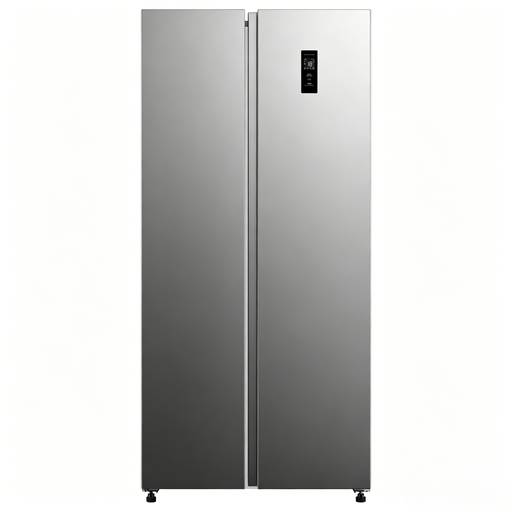
Sonlu CC-520WE side-by-side fridge-freezer
The larger freezer compartment may suit individually packed portions for later; check that the appliance will fit in the space you have in mind.
276 l of fridge space and 168 l of freezer space; 4-star freezer compartment.
83 cm wide, 61 cm deep and 178,5 cm high; separate digital temperature controls.
View at Joybuy
 No image available
CHiQ JR263LGE fridge-freezer, Black
Separate fridge and freezer capacities make it easier to check the appliance against the containers and frozen portions you need to store.
187 l of fridge space and 75 l of freezer space; 4-star freezer compartment.
54 cm wide and 176 cm high; three height-adjustable glass shelves and three freezer drawers. Low Frost: according to the product description, manual defrosting is required around once or twice a year.
View at Joybuy
 No image available
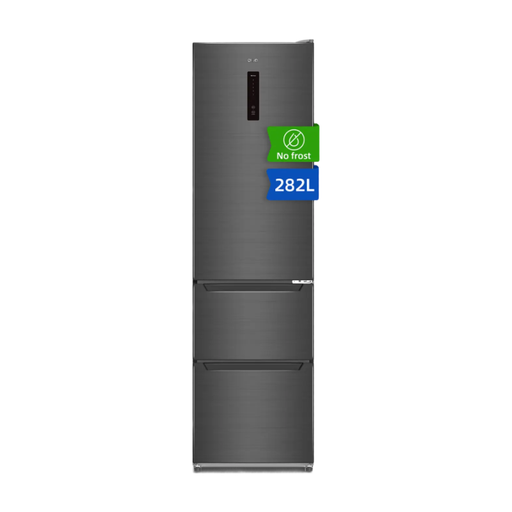
CHiQ CID282NEIBE multi-door fridge-freezer
The multi-door layout, with separate storage areas, can help you organise portions shared with others.
197 l fresh food compartment; separate storage areas and No Frost.
54 cm wide and 58,6 cm deep; touch controls.
View at Joybuy
Frequently asked questions
How long can I keep cooked beetroot in the fridge?
The German Federal Institute for Risk Assessment recommends keeping leftovers from cooked meals in the fridge and eating them within two to three days. This is a food hygiene recommendation, not a storage life guaranteed by the appliance model. Cool the food promptly and handle it hygienically.
Can I freeze cooked portions instead of keeping them in the fridge?
Yes, freezing is an option for portions you’re saving for later. Use suitable containers, label them with their contents and the date they were put in the freezer, and check that the freezer compartment is suitable if you’re freezing food yourself.
Do I need a special freshness compartment or NoFrost for cooked beetroot?
The recommendations don’t say that cooked beetroot needs a special freshness compartment. NoFrost prevents ice building up in the freezer; it doesn’t change the need to cool, pack and refrigerate food hygienically.
Which energy figures should I compare when buying an appliance from a German online shop?
For fridge-freezers that require an energy label, the EU energy label must also be clearly visible in online shops. For appliances of a suitable size, compare the stated annual kWh and the separate capacities in particular; the label doesn’t measure how much energy your household will use.
What should I do with my old fridge-freezer?
Old electrical appliances must be taken separately to authorised collection points, retailers or manufacturers. The German Federal Environment Ministry also sets out take-back obligations for online retailers; when you buy, check how the return or collection will be arranged.


