What should you look for when buying?
First, decide which portions will go in the fridge to be eaten soon and which you’ll freeze for later meals. The table below matches the main buying criteria to different needs.
| What matters |
What to check when buying |
Who is this important to? |
| Food hygiene in the fridge |
Usable shelf space and adjustable shelves, with room for sealed containers. |
If I want to keep several cooked portions chilled for upcoming meals, I need space that’s easy to reach and a clean separation. Around 36% of consumers place particular importance on safe organisation in the fridge. |
| Freezer space |
Consider freezer capacity and usable drawer space separately; check the dimensions of your containers. |
If I want to save portions for later, it matters whether my containers fit in the drawers. Around 29% of consumers prioritise freezing food for later. |
| How the space is divided |
Check fridge and freezer capacities, as well as the height, width, depth and door clearance. |
With limited space, I want enough room to chill my shopping without the appliance blocking access where it’s going to stand. Around 21% of consumers prioritise this aspect of the layout. |
| Energy consumption |
Compare annual consumption in kWh for appliances with a suitable usable capacity. |
Once I know how much storage space I need, I also want to factor in running costs. Around 14% of consumers place particular importance on energy costs. |
Fridge freezers to consider
This selection includes fridge freezers for storing portions to eat soon separately from food saved for later meals.
 No image available
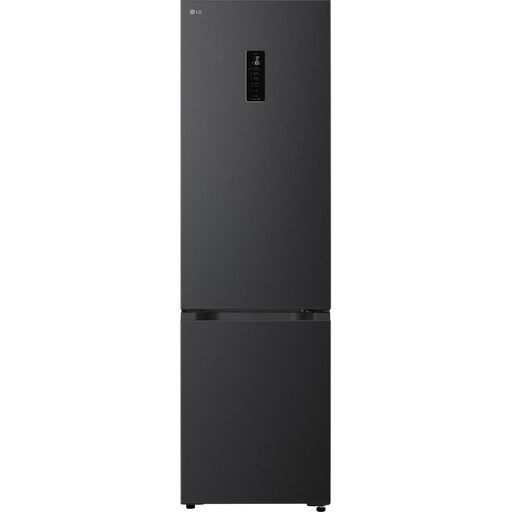
LG GBBSJ1CCPY fridge freezer, 333 l, energy rating C
For households that want separate space for chilled portions and frozen food.
220 l fridge capacity and 113 l freezer capacity; listed features include Total No Frost, Fast Cooling and Fast Freezing.
Joybuy
 No image available
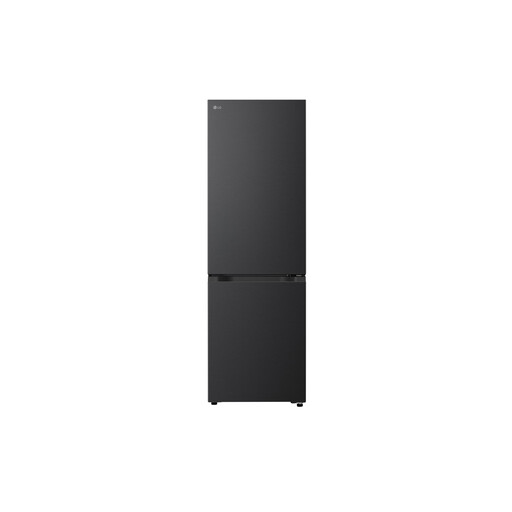
LG GBBS727AEV Fit&Max, 375 l, energy rating A
An option if you’re looking for adjustable fridge shelves and freezer space for portions to eat later.
262 l fridge capacity and 113 l freezer capacity; listed features include Total No Frost and Express Freeze. The door can be hinged on either side. For the stated Zero-Clearance+ installation, the door must be able to open to 110°.
Joybuy
 No image available
LG GBBS716AEV fully integrated fridge freezer, 333 l, energy rating A
For an integrated fridge freezer with separate fridge, chill and freezer compartments.
183 l fridge capacity, a 37 l chill compartment and 113 l freezer capacity; listed figures include 108 kWh/year and 29 dB. For the door to open as described, there must be a gap of at least 4 mm between the appliance and the side wall.
Joybuy
 No image available
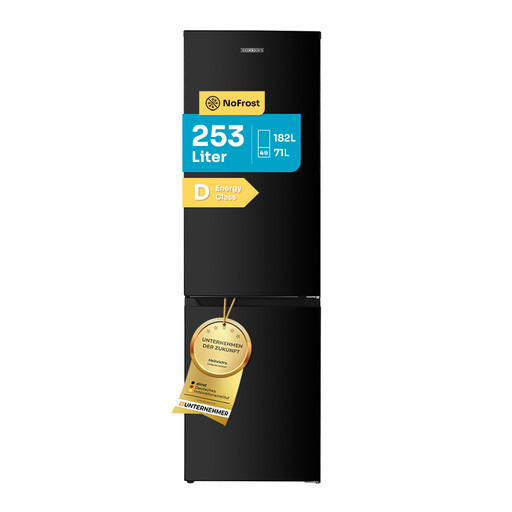
Heinrich's fridge freezer, 253 l
A fridge freezer with separate capacities for chilled and frozen food, to suit different storage needs.
182 l fridge capacity and 71 l freezer capacity; listed features include No Frost, electronic temperature control and Super Freeze.
Joybuy
 No image available
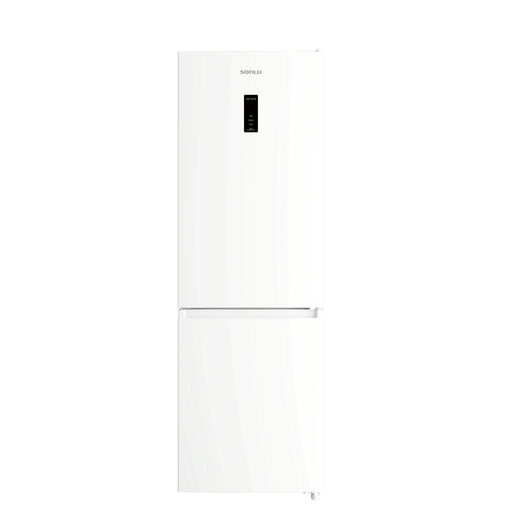
Sonlu CD-350RW fridge freezer, 310 l, 60 cm
For households looking for a freestanding fridge freezer with separate fridge and freezer compartments.
211 l fridge capacity and 99 l freezer capacity; listed features include a 60 cm width, energy rating E, electronic temperature control and Quick Freeze. The door is reversible.
Joybuy
Frequently asked questions
Can cooked chicken from the weekend stay in the fridge until your next weekly shop?
Don’t plan to keep it chilled for a whole week. The German Federal Institute for Risk Assessment recommends storing leftovers in the fridge and eating them within two to three days. For later meals, you’ll need a suitable plan for freezing them.
How should I store several portions of cooked chicken in the fridge?
The German Federal Institute for Risk Assessment recommends dividing large amounts of food between several shallow dishes and cooling them to below +7 °C within a few hours. Don’t put cooked poultry in unwashed containers that have previously held raw poultry.
How can I compare the energy consumption of appliances?
For appliances with a suitable usable capacity, compare the annual consumption in kWh shown on the current EU energy label. To estimate your own costs, multiply this figure by your electricity price per kWh. Actual consumption also depends on where and how the appliance is used.
Which energy label applies to fridges and freezers in Germany?
Since 1 March 2021, fridges and freezers have used the rescaled EU energy label, from A to G. The European Commission explains that the label must also be visible in online shops for products covered by the scheme. Older A+ ratings aren’t directly comparable with the new scale.
What are my rights if the appliance develops a fault?
If a newly purchased appliance is faulty, your statutory consumer rights generally apply against the seller and, according to the German Consumer Advice Centre, last for up to two years after purchase. An additional manufacturer’s guarantee has its own terms and doesn’t replace your statutory rights.


