Start by considering how many portions you need to chill in the short term, then think about whether you regularly freeze meals you’ve cooked yourself. Compare the fridge and freezer capacities separately, check that the freezer has a four-star rating for freezing, and look at the annual energy use and dimensions. A larger total capacity isn’t necessarily an advantage in a one-person household. The Federal Institute for Risk Assessment recommends rapidly cooling hot food to below 7 °C and covering it before storing it for longer periods.
Which option suits you
Cooking for one and saving leftovers for tomorrow
If you mainly chill portions you’ll eat soon and only freeze food occasionally, useful shelves for covered containers are important. The Federal Institute for Risk Assessment recommends rapidly cooling hot food to below 7 °C before storing it for longer periods.
Batch-cooking portions and freezing them for later
If you want to store several portions you’ve cooked yourself, check that the freezer compartment is specifically suitable for freezing and has enough room for your containers. The Federal Centre for Nutrition distinguishes between freezing food and storing food that is already frozen.
Making the most of limited kitchen space
If floor space is limited and there isn’t much room to open the door, make sure the appliance’s dimensions and door opening suit your kitchen. The Verbraucherzentrale (German consumer advice centre) also recommends choosing fridge and freezer capacity to suit your needs, rather than focusing only on a large total capacity.
What to look for when buying
First work out how many portions you need to chill and how often you freeze food you’ve cooked yourself. Then compare capacity, energy use and the space available in your kitchen.
| Priority |
What to look for when buying |
Who it matters most to |
| Chilling cooked portions |
Check the fridge capacity and whether the shelves can comfortably hold covered containers. The Federal Institute for Risk Assessment recommends rapidly cooling hot food to below 7 °C before storing it for longer periods. |
If I’m keeping leftovers for the next few meals, I need room for containers that are easy to arrange. Around 33% of consumers put usable fridge space and good organisation at the top of their list. |
| Freezing portions you’ve cooked yourself |
Check the four-star rating, freezer capacity and freezing performance of the specific model. A three-star rating alone doesn’t confirm that it’s suitable for freezing food. |
If I batch-cook several portions, I want to be able to freeze and store them separately. Around 27% of consumers prioritise freezer space and its suitability for freezing. |
| Comparing annual energy use |
Compare the kWh/year figure on the EU energy label alongside the separate usable capacities. The energy rating alone doesn’t tell you how much energy an appliance uses. |
If energy use matters to me, I compare suitable appliances before deciding whether I need more storage space. Around 20% of consumers put annual energy use first. |
| Fitting it into your kitchen |
Check the height, width, depth and door opening against the available space and the route into your kitchen. |
When space is limited, the appliance needs to fit in the kitchen with the door open. Around 20% of consumers prioritise whether it will fit in the space available. |
Common buying mistakes
-
Confusing a three-star rating with a compartment for freezing
A three-star compartment is for storing frozen food; the Federal Centre for Nutrition specifies a four-star compartment for freezing food.
Check the star rating of the specific freezer compartment if you want to freeze portions you’ve cooked yourself.
-
Comparing only total capacity or the energy rating
Total capacity doesn’t tell you whether the fridge and freezer space are divided in a way that suits your needs. The Verbraucherzentrale recommends comparing annual energy use and the usable capacity you need, too.
Compare fridge and freezer capacities separately, along with kWh/year, for models with a layout that suits your needs.
-
Assuming the salad drawer is specially designed for cooked leftovers
A freshness compartment doesn’t replace rapidly cooling cooked food and storing it covered.
Allow room on suitable shelves for sealed containers, and assess storage space independently of the names given to individual compartments.
Brands and model ranges to consider
Liebherr
According to Liebherr, the CTe 2131 is 55 cm wide and has a total capacity of 196 l.
- Liebherr says SmartFrost reduces frost build-up.
- SmartFrost doesn’t eliminate the need to defrost. Total capacity alone doesn’t tell you how many portion containers will fit in the two compartments.
Severin
For the RKG 8949, Severin lists 162 l of fridge space and a 44 l four-star freezer compartment.
- Severin lists energy use at 144 kWh/year and a freezing capacity of 2.5 kg in 24 hours.
- The door on this model can’t be reversed, and it doesn’t have Total NoFrost. These figures are from the manufacturer and aren’t independent test results.
Beko
According to Beko, the freestanding B3RCSO255XB has a bottom freezer and measures 177 × 54 × 55 cm.
- Beko says the door on this model is reversible.
- Consider its height and storage layout when planning your kitchen. The manufacturer’s specifications aren’t an independent test of cooling performance.
Bomann
Bomann offers both smaller fridges with an integrated freezer compartment and separate fridge-freezers.
- The different designs give you options to compare space requirements and freezer layouts.
- A category overview won’t tell you whether an individual model is suitable for freezing or how much energy it uses each year. Check the product specifications for those details.
Suitable products at Joybuy
This selection includes compact fridge-freezers and a table-top fridge with an integrated freezer compartment. Compare the stated fridge and freezer capacities with the space you need for chilled and frozen portions.
 No image available
exquisit KGC5232-60-E-040C, 173 l, inox-look-az
An option if you’re looking for a freestanding fridge-freezer with a four-star freezer compartment.
173 l total usable capacity; four-star freezer compartment; LED lighting.
View at Joybuy
 No image available
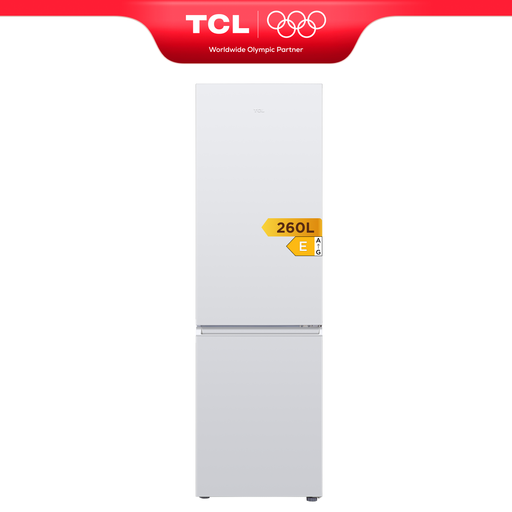
TCL RF338BWE0DE, 260 l, energy rating E
The separately stated fridge and freezer capacities make it easier to check whether there’s enough room for your portions.
187 l fridge space and 73 l freezer space; 55 cm wide; adjustable shelves; reversible door.
View at Joybuy
 No image available
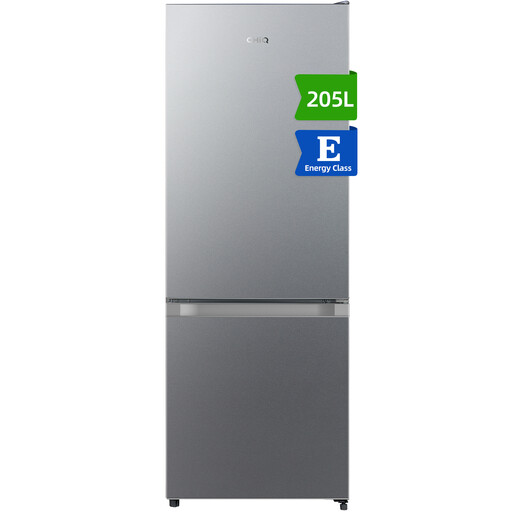
CHiQ JR205LSE, 205 l, silver
A fridge-freezer with a four-star fast-freeze function for portions you freeze occasionally.
153 l fridge space and 52 l freezer space; 54 cm wide and 55 cm deep; reversible door; adjustable feet.
View at Joybuy
 No image available
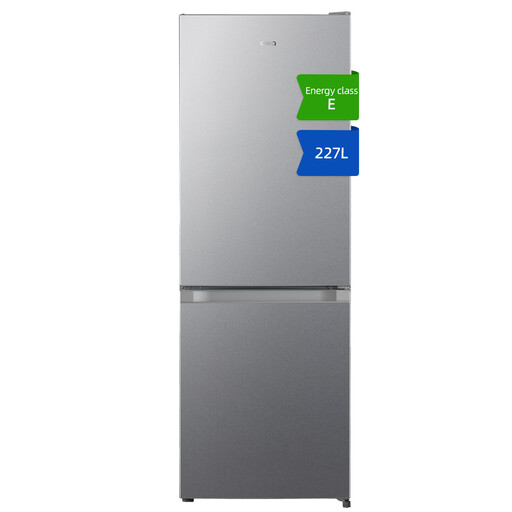
CHiQ JR227LSE, 227 l, energy rating E
The stated freezer capacity and three drawers are useful if you want to store several portions separately.
153 l fridge space and 74 l four-star freezer space; 54 cm wide; reversible door; adjustable feet.
View at Joybuy
 No image available
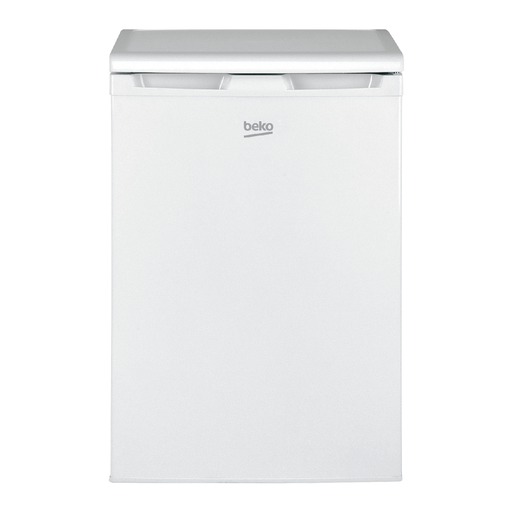
Beko TSE1284N b100, 114 l, white
A more compact design if fridge space matters more to you than room for several portions in the freezer.
101 l fridge space and a 13 l four-star freezer compartment; MinFrost; reversible door. The 13 l compartment may limit the space available for several portions of food.
View at Joybuy
Frequently asked questions
How should I store cooked vegetables until my next meal?
The Federal Institute for Risk Assessment recommends rapidly cooling hot food to below 7 °C before storing it for longer periods, and keeping food covered and separate in the fridge. This is food hygiene advice, not a guarantee of a specific storage life.
Is a three-star freezer compartment suitable for portions I’ve cooked myself?
A three-star compartment may be suitable for storing food that’s already frozen. For freezing food, the Federal Centre for Nutrition specifies a four-star compartment.
How do I compare energy use?
Compare the stated annual energy use in kWh for appliances with a suitable usable capacity, and check the fridge and freezer capacities separately. The Verbraucherzentrale recommends comparing the absolute energy use figure rather than relying on the energy rating alone.
Does a retailer in Germany have to take back my old fridge free of charge?
Under the conditions set out in § 17 ElektroG, retailers must take back a corresponding old appliance free of charge when supplying a new one. Additional rules apply to free collection when delivering to a private household. Check the take-back options with the specific retailer; this doesn’t include a separate installation or removal service. Source: § 17 ElektroG on Gesetze im Internet, the German Federal Ministry of Justice’s legal information website.


