What to look for when buying
First check whether the specific freezer compartment is suitable for freezing fresh food and can fit your wrapped portions. Then make sure the appliance size and running costs suit your household.
| Buying priority |
What to look for |
Who it matters most to |
| Freezing portions of dough |
Check for a four-star freezer compartment, freezer capacity and drawer dimensions; for larger quantities, also check the freezing capacity in kg/24 h. |
If several wrapped portions need to fit alongside your existing frozen food, usable freezer space matters more than total capacity. Around 36% of consumers put freezing dough portions first. |
| Space for food and ingredients |
Compare fridge and freezer capacity separately, and check the internal layout against the food you usually store. |
If you need to store dinner ingredients as well as everyday food, a suitable layout is essential. Around 29% of consumers prioritise space for all their household’s food. |
| Energy consumption |
Compare annual energy consumption in kWh with your needs and the right appliance size; also check the energy efficiency class. |
If the appliance runs all year round, I’d weigh its stated energy consumption against the need for extra capacity. Around 21% of consumers prioritise ongoing electricity costs. |
| Positioning and noise |
Check the external dimensions, door clearance and noise level in dB(A); consider the defrosting requirements of the specific model. |
If space is limited or you have an open-plan kitchen, the appliance’s dimensions and operating noise need to suit the room. Around 14% of consumers prioritise a suitable, quiet location. |
Joybuy products
The Joybuy models below include compact and larger fridge-freezers. For each model, check that the freezer compartment is suitable for fresh dough and has room for your portions alongside your other frozen food.
 No image available
LG GBBSJ1CCPY, 333 l, Total No Frost, energy class C
Worth considering for households that need extra freezer space. Before freezing fresh dough, check the star rating of the specific compartment.
Details listed in the product name: 333 l total capacity, Total No Frost and energy class C.
Joybuy
 No image available
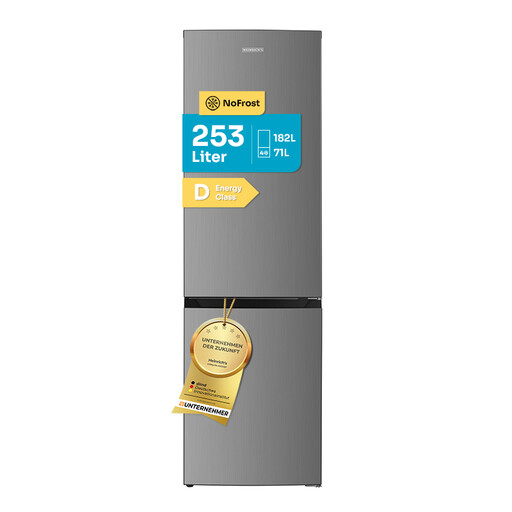
Heinrich's fridge-freezer, 253 l, stainless steel, No Frost
An option if you want the fridge and freezer capacities listed separately. Check the star rating before freezing fresh dough in it.
Details listed in the product name: 182 l fridge capacity, 71 l freezer capacity and 39 dB.
Joybuy
 No image available
exquisit KGC5232-60-E-040C Inoxlook-az, 173 l, 4-star freezer compartment
The product name specifies a 4-star freezer compartment, which is suitable for freezing fresh food. Also check that your portions will fit in this compact appliance.
Details listed in the product name: 173 l total net capacity and freestanding design.
Joybuy
 No image available
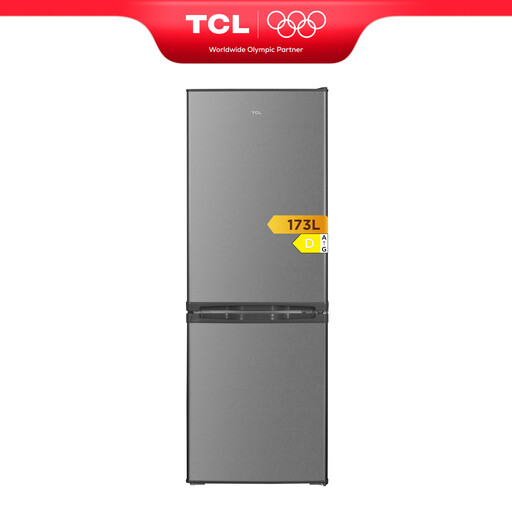
TCL RF225BID0DE, 173 l, energy class D
The separate capacity figures make it easier to compare fridge and freezer space with your household’s needs. Check that the freezer compartment is suitable for fresh dough.
Details listed in the product name: 121 l fridge capacity, 52 l freezer capacity and adjustable shelves.
Joybuy
 No image available
CHiQ JR263LGE, 262 l, Low Frost, black
The product name specifies a 70/30 split. Check that the layout offers enough room for dough portions and other frozen food.
Details listed in the product name: 54 cm wide and 176 cm high. According to the product details, the Low Frost freezer compartment needs to be manually defrosted around once or twice a year.
Joybuy
Frequently asked questions
Is a small ice box big enough to freeze freshly made cookie dough?
Not every ice box is suitable for freezing fresh food. Look for a suitable four-star freezer compartment with storage conditions of −18 °C, and check that your wrapped portions will fit.
Does freezing raw cookie dough make it safe to eat?
No. The German Federal Institute for Risk Assessment advises against eating cookie dough uncooked and notes, among other things, that flour may be contaminated with STEC. Follow good kitchen hygiene when preparing the dough.
How should I prepare portions of dough for the freezer?
Pack the portions in suitable containers and label them with the contents and date they were frozen, as recommended by the consumer advice centre. Storage times and baking instructions should suit the recipe and its ingredients.
Which details help me compare energy consumption?
The EU energy label shows details including annual energy consumption in kWh, separate capacity figures and noise emissions. To estimate the cost, multiply the annual energy consumption by your own price per kWh. Actual consumption also depends on where and how the appliance is used.
What should I check before positioning the appliance?
Compare the appliance’s dimensions and the clearance needed to open the door with the space available, and check the positioning and ventilation instructions for the specific model. The external dimensions alone don’t guarantee that it will fit in every alcove.
Where can I take an old fridge-freezer in Germany?
Electrical and electronic waste must be collected separately and handed to an authorised collection point, such as a local council collection centre, manufacturer or retailer, provided the legal requirements for a take-back scheme are met. If you’re ordering online, check the specific return or collection arrangements; free home collection is not available in every case.


