What to look for when buying
First check that the freezer compartment is suitable for freezing fresh food. Then consider usable capacity, dimensions, annual energy use and how much defrosting is required.
| What matters |
What to look for |
Who should pay particular attention? |
| Freezer space and suitability |
Check the four-star freezer compartment, freezer capacity, freezing capacity and internal dimensions. |
If I want to freeze several portions of dough alongside the family’s frozen food, the usable freezer space is what matters to me. That’s why around 33% of consumers put having enough freezer space first. |
| Fit at the installation location |
Check the appliance or recess dimensions, door hinge, clearance for opening and installation requirements. |
In a small kitchen, the appliance and its open door need to fit without blocking access to the drawers. That’s why around 27% of consumers prioritise a good fit in the available space. |
| Energy consumption |
Compare the EU energy label and kWh/year for specific models; use the same electricity price and time period when estimating your own costs. |
If the appliance is going to run all the time, I want to weigh its stated energy consumption against the storage space I need. Around 20% of consumers put ongoing electricity costs first. |
| Defrosting and ease of use |
Check the defrosting method for the specific model, as well as its freezer capacity and drawer layout. |
When I’m regularly putting food away, I want to spend less time defrosting without losing sight of how much freezer space I need. Around 20% of consumers prioritise easy defrosting. |
Fridge-freezers at Joybuy
This selection includes fridge-freezers and a built-in fridge with a freezer compartment. Check each model separately to make sure its freezer compartment, freezing capacity and internal dimensions are suitable for fresh portions of dough.
 Image unavailable
exquisit KGC5232-60-E-040C Inoxlook-az, 173 l
The product name lists a capacity of 173 l and a four-star freezer compartment. Also check the freezing capacity and internal dimensions for your portions of dough.
View at Joybuy
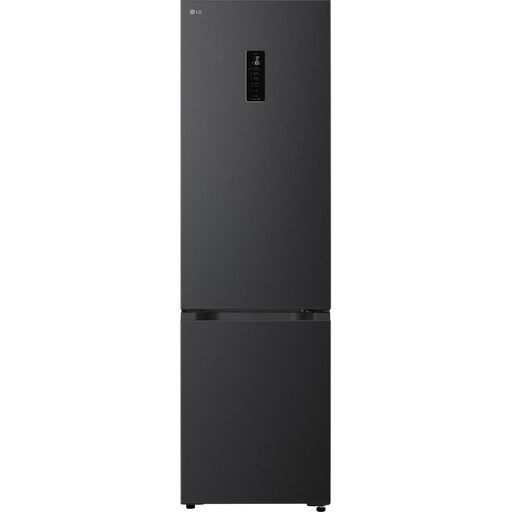 Image unavailable
LG GBBS727AEV Fit&Max, 375 l, energy class A, black
The product name lists a capacity of 375 l and energy class A. Check separately what freezer capacity and freezing capacity are stated for this specific model; its energy class alone doesn’t show that it’s suitable for freezing fresh portions of dough.
View at Joybuy
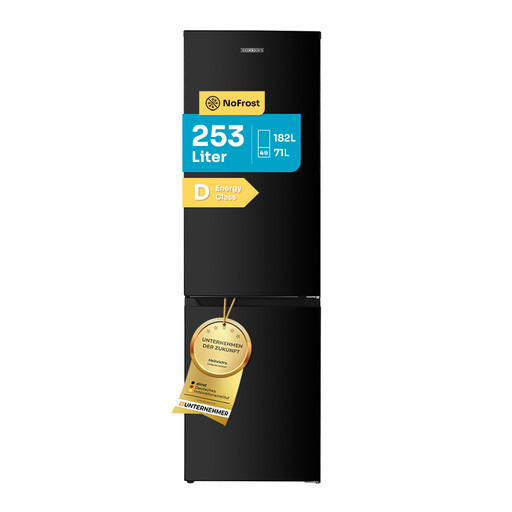 Image unavailable
Heinrich´s fridge-freezer, 253 l, 71 l freezer compartment, Black Inox
The product name lists 71 l of freezer space and No Frost. Also check the four-star rating, freezing capacity and internal dimensions for your portions.
View at Joybuy
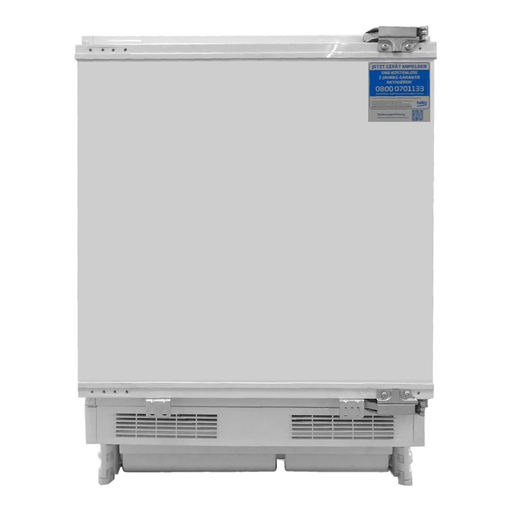 Image unavailable
Beko BU1154N built-in fridge, 107 l, 88 cm recess height, energy class E
This model has a stated 15-l freezer compartment. Check that it has enough room for your portions of dough and other frozen food, and that the compartment is suitable for freezing fresh food.
View at Joybuy
 Image unavailable
CHiQ JR263LGE, 262 l, Low Frost, 54 cm
The product name lists Low Frost; also check the four-star rating, freezing capacity and space for your portions. According to the product information, manual defrosting is needed around once or twice a year.
View at Joybuy
Frequently asked questions
Is a small freezer compartment enough for freshly made cookie dough?
Not necessarily. For fresh food, what matters is a designated four-star freezer compartment with a stated freezing capacity. Regulation (EU) 2019/2019 specifies a target temperature and storage conditions of −18 °C. Also check that your portions will fit.
How should I handle frozen raw cookie dough?
Pack the portions in suitable containers and label them with the contents and date they were frozen. The German Federal Institute for Risk Assessment warns that flour and dough may contain pathogens; you shouldn’t eat raw cookie dough or other flour-based dough without baking it.
What should I check before installing the appliance?
Measure the available space or built-in recess, then check the door opening, door fitting and installation requirements against the specifications for the specific model. For example, Liebherr lists recess dimensions and a fixed-door fitting for the ICNc 5103; these specifications don’t apply to other appliances.
How do I compare energy consumption, and what should I do if there’s a fault?
Compare the stated consumption in kWh/year and use the same electricity price for every model. If there’s a fault, remember that your statutory rights against the seller are separate from a voluntary manufacturer’s guarantee; the consumer advice centre says goods should generally be free from faults at the time of purchase or delivery, with a two-year period from purchase or delivery.
Does an energy label have to be shown when selling online, and where should an old appliance go?
Your Europe explains that energy labels must also be clearly visible at the point of sale in online shops. Old electrical appliances should be taken to separate collection, not put in household rubbish; check the terms for any take-back service when you buy.


