What should you look for when buying?
The German Federal Institute for Risk Assessment recommends storing perishable foods at 2 °C to no more than 7 °C and keeping cut fruit chilled until it is eaten. Containers should be covered. You’ll need to plan separately for keeping food cool on the way to your lunch break.
| Priority |
What to check |
Especially important for |
| Safe fridge storage |
Space for sealed containers; a temperature you can control. |
If you want to keep pre-prepared portions chilled and covered at home, look for enough fridge space. Around 29% of consumers say safe storage at home is their top priority. |
| Keeping food cool while travelling |
Chill portion containers in the fridge before setting off; plan separately for transport and storage at your destination. |
If you want to keep your packed lunch cool until your lunch break, you’ll need to consider the journey, too. Around 23% of consumers say keeping food cool in transit is their main concern. |
| Container space and appliance dimensions |
Check fridge and freezer capacity separately; measure the available floor space and door clearance. |
If both your containers and the appliance need to fit a particular kitchen, interior space and external dimensions matter equally. Around 18% of consumers prioritise storage space and an appliance that fits. |
| Annual energy consumption |
Compare the stated kWh per year for appliances with fridge and freezer capacities that suit your needs. |
If keeping an eye on ongoing energy use is particularly important to you, compare models with similar capacities. Around 18% of consumers consider electricity consumption their top priority. |
| Extra freezer storage |
Check freezer capacity and defrosting method against the amount you actually plan to store. |
If you’d also like to freeze fruit in individual portions, freezer space and maintenance requirements are worth considering. Around 12% of consumers say freezer storage is their main buying priority. |
Joybuy models at a glance
The following Joybuy models are freestanding fridge-freezers with varying stated fridge and freezer capacities. Compare the model details with the space you have and your storage needs.
 No image available
LG GBBSJ1CCPY fridge-freezer, 333 l, Total No Frost
The stated fridge capacity provides space for chilled lunch portions and other fresh food.
220 l fridge capacity and a 37-litre freshness compartment; 169 kWh per year; energy class C.
You’ll need to make separate arrangements to keep food cool on the go.
View at Joybuy
 No image available
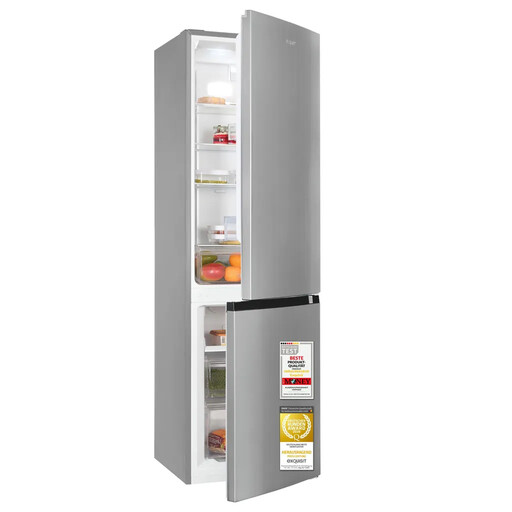
Exquisit KGC5265-70-NF-040C fridge-freezer, 253 l, No Frost
The stated fridge capacity may suit chilled portions and other fresh food.
182 l fridge capacity; 253 l total capacity; 141 kWh per year; energy class C; 54.5 cm wide.
You’ll need to make separate arrangements to keep food cool on the go.
View at Joybuy
 No image available
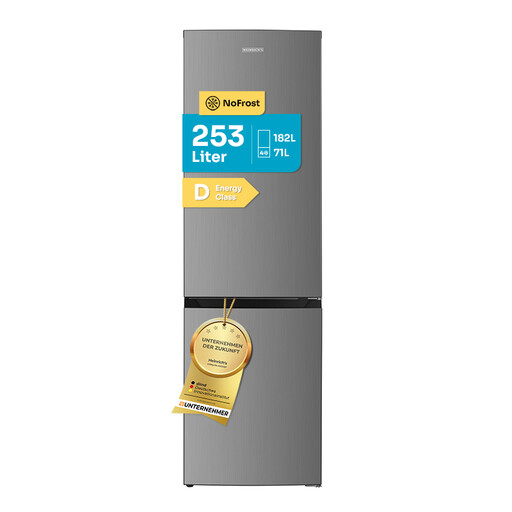
Heinrich's fridge-freezer, 253 l, No Frost, Inox
The stated fridge capacity provides storage for chilled portions; compare it with your actual needs.
182 l fridge capacity; 71 l freezer capacity; 253 l total capacity; energy class D.
You’ll need to make separate arrangements to keep food cool on the go.
View at Joybuy
 No image available
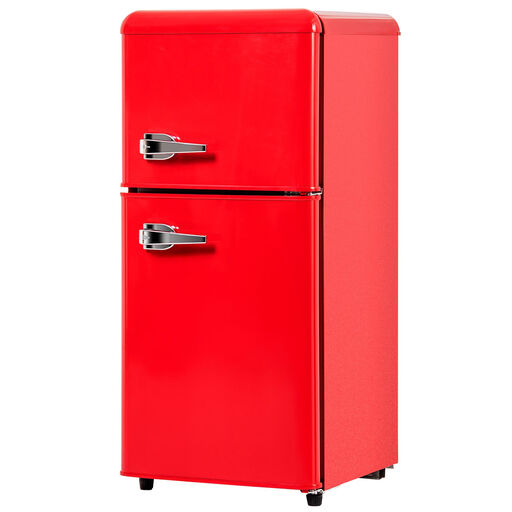
Retro fridge-freezer, 60 l, red, 22 l freezer capacity
This compact fridge compartment is only suitable if its stated capacity is enough for your lunch portions.
38 l fridge capacity; 60 l total capacity; 22 l freezer capacity; 102 kWh per year; 88.8 × 45.5 × 42 cm.
You’ll need to make separate arrangements to keep food cool on the go.
View at Joybuy
 No image available
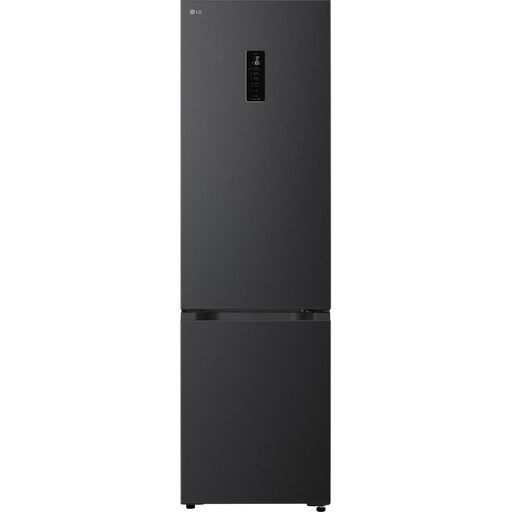
LG GBBS727AEV Fit&Max fridge-freezer, 375 l
The stated fridge capacity is designed to accommodate several lunch portions as well as other fresh food.
262 l fridge capacity; 375 l total capacity; Total No Frost; 112 kWh per year; energy class A.
According to the product description, a minimum side clearance of 4 mm is required for the door to open. You’ll need to make separate arrangements to keep food cool on the go.
View at Joybuy
Frequently asked questions
Can I take ready-prepared fruit salad with me unrefrigerated until my lunch break?
The German Federal Institute for Risk Assessment recommends keeping cut fruit chilled until it is eaten, and keeping perishable foods cool while travelling. A fridge-freezer only covers storage at home, so plan separately for keeping food cool during your journey and lunch break.
Does fruit salad need to go in a special freshness drawer?
The important thing is to store cut fruit chilled and covered. A drawer marketed for unpackaged fruit is no substitute; check whether there’s room in the fridge for a sealed portion container.
What should I measure before installing a fridge-freezer?
Compare the height, width and depth of the specific appliance with the space available. Check the door hinge and required clearances in the manufacturer’s documentation, too. Make sure the door can open fully where you plan to put it.
How do I compare the energy consumption of fridge-freezers?
Compare the annual consumption in kWh shown on the EU energy label for models with fridge and freezer capacities that suit your needs. An energy efficiency class alone is no substitute for comparing the consumption figures.
What are the rules on energy labels and old appliances in Germany?
New household fridge-freezers covered by EU rules must meet energy labelling and ecodesign requirements. For household refrigeration appliances, the European Commission says the energy label has used a scale from A to G since 1 March 2021. Germany’s Electrical and Electronic Equipment Act (ElektroG) requires retailers to take back old appliances in certain circumstances. Before buying, check the arrangements for returns and whether collection is required.


