What matters when storing grapes?
Keep using your current appliance
A good choice if: Your fridge keeps food properly chilled and has enough room for grapes in their packaging.
Bear in mind: Check the condition and temperature of your current appliance if you're unsure about its cooling performance.
Choose an appliance with a practical fruit drawer
A good choice if: You regularly store larger quantities of grapes and other fruit, and want a drawer that suits your shopping habits.
Bear in mind: A freshness system or higher humidity doesn't guarantee a particular shelf life for grapes.
A fridge freezer with the right freezer capacity
A good choice if: You regularly need space for frozen food as well as ingredients for family meals.
Bear in mind: More overall capacity doesn't make up for a fruit drawer that's too small, and it may mean higher energy consumption.
When buying a new appliance, first check the fruit drawer and the fridge and freezer capacities you need. Then compare the space available and annual energy consumption. Each row in the table represents a priority that consumers consider when making this buying decision.
| Priority |
What to look for |
Who is this especially important for? |
| Space for grapes and other fruit |
Check the size and accessibility of the salad drawer, and make sure there's room for grapes in their packaging. |
When I buy grapes for a family meal, I want to be able to store them in their packaging in the salad drawer without having to rearrange anything. Consumers who put this drawer first make up roughly 36 %. |
| Fridge and freezer space |
Compare the fridge and freezer capacities separately, and check whether the drawers and adjustable shelves suit your usual shopping. |
When I do a larger shop, I need enough fridge space and a freezer compartment that suits our supplies. Consumers whose main priority is space make up around 29 %. |
| Energy consumption |
Compare the annual consumption in kWh, the capacity you need and the EU energy label shown in the listing. |
As the appliance runs every day, I want to weigh up its annual energy use against the capacity I need. Consumers who prioritise ongoing energy costs account for about 21 %. |
| Space and access |
Check the appliance dimensions, door clearance and drawer extension at the intended location. |
In a small kitchen, I need to consider how far the doors swing open, whether the drawers can be pulled out and how easily I can reach the fruit drawer. Consumers whose main concern is space and access make up around 14 %. |
For fresh grapes, the German Federal Centre for Nutrition recommends storing them in their packaging in the salad drawer. Wash them shortly before eating. A drawer with higher humidity can be an extra feature, but it isn't a proven requirement for storing grapes.
Joybuy product selection
This selection includes fridge freezers for households that want to store fresh food and frozen supplies in the same appliance. Compare the compartment layouts, appliance dimensions and annual energy consumption listed with your needs.
 No image available
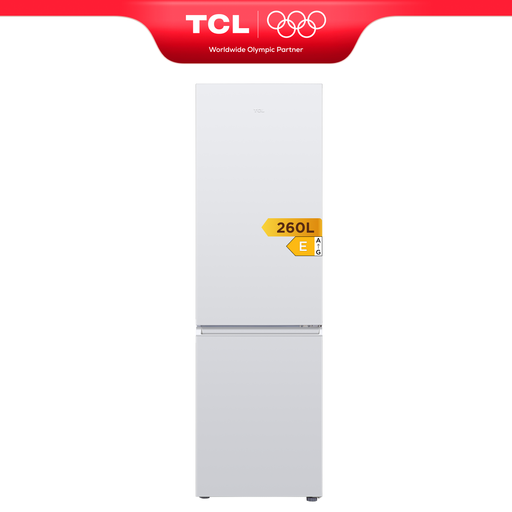
TCL RF338BWE0DE fridge freezer
Could be a good fit if you're looking for a compact fridge freezer with a separate drawer for fresh food.
187 l fridge capacity and 73 l freezer capacity; Fresh Zone; E energy rating; 55 cm wide; reversible door and adjustable feet.
View at Joybuy
 No image available
CHiQ JR263LGE fridge freezer
Could suit households that want to store chilled and frozen food in one appliance and value a crisper drawer.
187 l fridge capacity and 75 l freezer capacity; 54 cm wide and 176 cm high; crisper drawer; E energy rating; annual energy consumption of 215 kWh.
View at Joybuy
 No image available
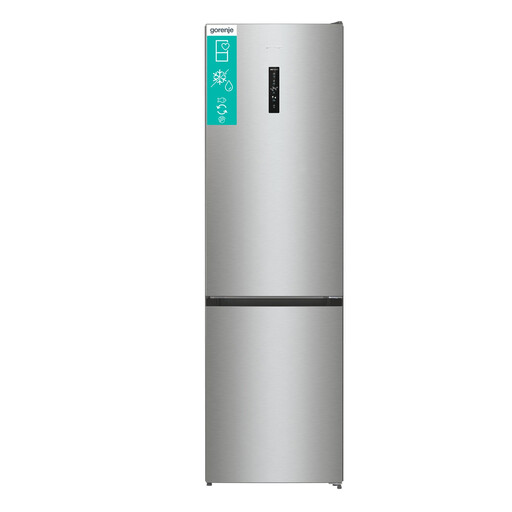
Gorenje NRK620CA2XL4 fridge freezer
Could be worth considering if you're looking for a dedicated fruit and vegetable compartment with humidity control.
331 l total capacity; CrispZone with humidity control; Convert FreshZone; NoFrost Plus; C energy rating; 60 × 200 × 59,2 cm.
View at Joybuy
 No image available
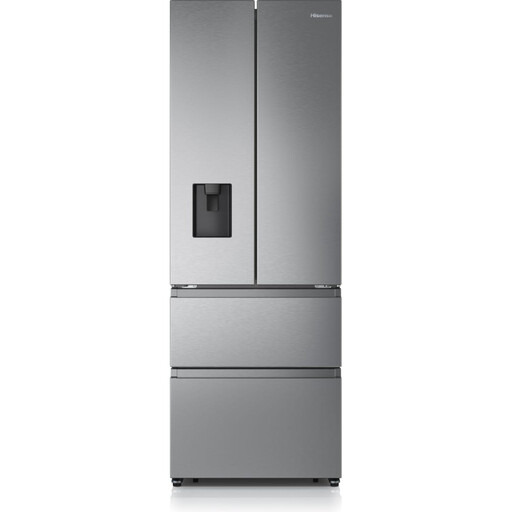
Hisense RF632N4WIE French-door fridge freezer
Could be a good fit if you need plenty of separate space for fresh food and frozen supplies.
336 l fridge capacity and 149 l freezer capacity; CrispZone with humidity control; 70 × 200 × 69,4 cm; E energy rating; annual energy consumption of 295 kWh.
View at Joybuy
 No image available
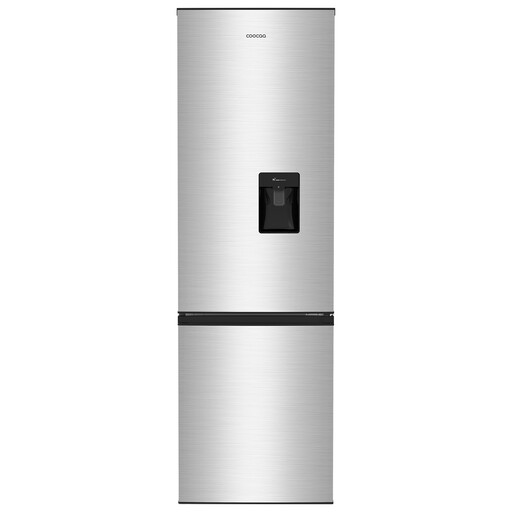
Coocaa SRD-358DBD fridge freezer
Could suit households looking for a crisper drawer and adjustable shelves for fresh shopping.
197 l fridge capacity and 71 l freezer capacity; crisper drawer; adjustable shelves; 55 cm wide; E energy rating.
View at Joybuy
Frequently asked questions
Do grapes for a family meal need to go in the freezer?
No. The German Federal Centre for Nutrition recommends storing fresh grapes in their packaging in the fridge's salad drawer. Wash them shortly before eating, and check for any damaged grapes.
How can I check whether the appliance will fit in my kitchen?
Compare the dimensions of the specific model with the available space, and allow extra room to open the doors and pull out the drawers. The clearance required depends on the model and where you plan to install it.
How can I compare the energy consumption of a replacement appliance?
Compare the figures in kWh per year for appliances of a suitable size. If you're thinking of replacing an appliance that still works, the German Consumer Advice Centre recommends measuring its energy consumption first, then multiplying the difference in consumption by your electricity tariff.
Does the EU energy label need to be visible on a new appliance listed online in Germany?
Yes. The EU energy label must be clearly visible in German online listings for new household appliances in the refrigeration and freezing product group. Second-hand products are exempt from this labelling requirement.
What should I do with my old fridge?
Old appliances must be collected separately. Local authority collection points generally accept electrical waste free of charge, and retailers who are required to do so must also offer take-back options. Before ordering, check how the old large appliance will be returned or collected.


