
Lieferung heute & morgen

Qualitätsgarantie

Willkommens-Angebote freischalten: KOSTENLOSE Lieferung | Bis zu 80 % RABATT | Kostenlose 30-Tage-JoyPlus-Testphase
App herunterladen
Purchasing a new fridge-freezer is a major decision for any household. The market is vast, and manufacturers' marketing promises can be hard to decipher. As your Joybuy Product Recommendation Officer, I'm here to help you separate fact from fiction and identify the key features that truly matter. This will enable you to make an informed choice that fits your lifestyle and budget.
Many buyers are swayed by marketing slogans that mean little in practice. Pay attention to these three points to avoid disappointment and unnecessary costs.
Before you decide on a model, you should check three technical parameters. These form the basis for long-term satisfaction.
Since 2021, the new EU energy label has been in effect, with a scale from A (very efficient) to G (inefficient). Don't be alarmed that many new appliances are rated in classes D or E; the criteria have become much stricter. A fridge-freezer with an Energy Efficiency Class C rating is now considered very economical and represents an excellent balance between purchase price and running costs. Models in classes A and B are rare and often come with a significant price premium.
Choosing the right size and type is fundamental. As a rule of thumb for capacity:
The main form factors are:
As mentioned earlier, Total No Frost is the most convenient solution. A fan circulates cold, dry air evenly and wicks moisture to the outside. This prevents the build-up of ice and frost in the freezer compartment. The advantages are clear:
Here are some models that represent a considered choice for different needs, based on objective criteria.
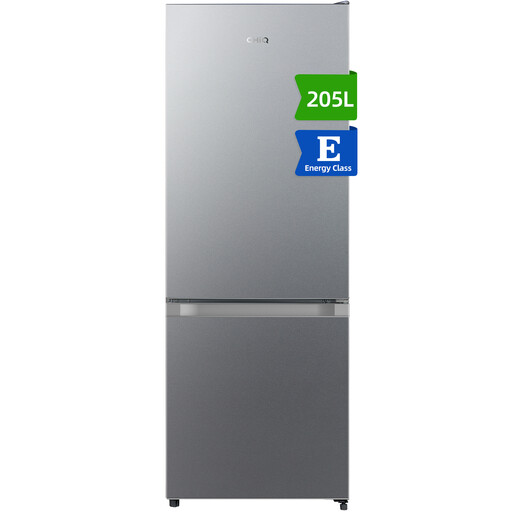
Why it's a good fit: Ideal for singles, couples, or as a second appliance. With 205 litres of capacity and a compact 54 cm width, it fits well into smaller kitchens without sacrificing essential features.
The Low-Frost technology is a transparent compromise: it significantly reduces ice build-up, which minimises defrosting effort and keeps the price down. At 39 dB, the appliance is sufficiently quiet for most living situations.
Compact dimensions (540 x 550 x 1440 mm) and a reversible door hinge offer high flexibility in placement.
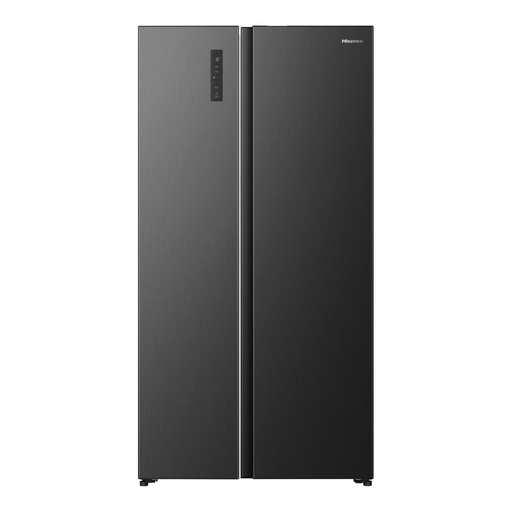
Why it's a good fit: With a large capacity of 544 litres, this side-by-side model offers enough space for a large family's weekly grocery shop. The elegant design in black integrates beautifully into modern kitchens.
This model features Total No Frost, making manual defrosting obsolete. At just 35 dB, it is exceptionally quiet for its size and perfect for open-plan kitchens. The SN-T climate class covers a wide temperature range.
The Multi-Airflow system ensures even cooling on all levels. The fast-cool function is practical for quickly stabilising the temperature after a grocery run.
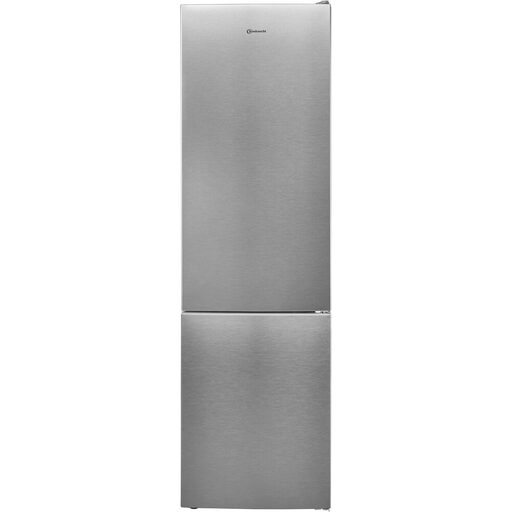
Why it's a good fit: For users who value peak energy efficiency, quiet operation, and flexible use. The stainless steel finish and thoughtful features appeal to quality-conscious buyers.
With an Energy Efficiency Class A rating, this appliance is among the most economical on the market. At 32 dB, its operation is extremely quiet. NoFrost technology comes as standard, and the SN-T climate class ensures reliability under various conditions.
The Multi Zone allows a compartment to be used flexibly as either a fridge or freezer section. The inverter compressor not only runs quietly and efficiently but also maintains a stable temperature.
We have compiled a full, up-to-date list of products that meet these strict selection criteria and fully comply with European safety standards.
1. What does the climate class on a fridge-freezer mean? The climate class indicates the ambient temperature range in which the appliance functions optimally. The most common classes are:
2. How much electricity does an Energy Efficiency Class C fridge-freezer use? The exact consumption depends on the model and capacity. For example, a Class C appliance with approximately 330 litres of capacity, like the Gorenje NRK620CA2XL4 model, has a stated annual consumption of 158 kWh. Assuming an electricity price of €0.35/kWh, the annual running costs would be around €55. An older Class F appliance could easily consume double that amount.
3. What is the average lifespan of a modern fridge? The expected lifespan of a modern fridge-freezer is typically between 10 and 15 years. The actual duration depends on the quality of the components (especially the compressor), correct usage according to the climate class, and regular maintenance (e.g., cleaning the seals and ventilation grilles). Models with an inverter compressor are often considered more durable because the motor runs more smoothly and experiences less wear and tear.