Lunch preppers buying fresh bunches of herbs
If you buy herbs for several weekdays, the type of herb and how it’s packaged both matter. The BZfE explains how to store suitable herbs in the salad drawer.


If you’re preparing packed lunches for several weekdays, you don’t automatically need a special fridge-freezer. What matters is having an easy-to-reach salad drawer and storing each type of herb appropriately. The Federal Centre for Nutrition (BZfE) specifically says that basil is an exception to the rule about storing herbs in the salad drawer. A dedicated freshness compartment doesn’t guarantee that herbs will keep for a particular length of time. Only freeze leftovers if you’ll actually use the freezer space, and compare appliances by their dimensions, separate fridge and freezer capacities, and annual energy consumption – criteria also recommended by the consumer advice centre when choosing an appliance.
If you buy herbs for several weekdays, the type of herb and how it’s packaged both matter. The BZfE explains how to store suitable herbs in the salad drawer.
If you have herbs left over after cooking, useful freezer space can come in handy for storing portions. The BZfE suggests freezing finely chopped herbs with a little water in ice-cube trays.
If floor space is limited, the appliance’s external dimensions need to fit your kitchen while its compartments still have room for your other food. The consumer advice centre recommends choosing an appliance size to suit your actual needs.
| What matters | What to check before buying | Who should consider it? |
|---|---|---|
| Storing herbs appropriately | An accessible salad drawer and suitable packaging; different types of herbs need different care. The BZfE specifically excludes basil from its advice about storing herbs in the salad drawer. | If I’m storing herbs for several packed lunches, I want to store each type appropriately. Around 36% of consumers would put freshness and suitable herb storage first. |
| Energy consumption | Compare annual consumption in kWh and compartment capacities for appliances that suit your needs. The consumer advice centre points out that consumption also depends on the appliance’s size and temperature setting. | If the appliance runs all year, I want to compare its stated energy consumption with my needs. Around 29% of consumers would prioritise running costs above all else. |
| Freezer space for leftovers | Check the usable freezer capacity, compartment layout and defrosting technology of the specific model. | If I regularly have herbs left over, I want to be able to freeze portions for future meals. Around 21% of consumers would put freezer space for food storage first. |
| Fit and capacity | Check the external dimensions and separate fridge and freezer capacities against your available space and household needs. | If my kitchen space is limited, I need an appliance that fits while still offering enough room for my other food. Around 14% of consumers would prioritise a good fit and practical capacity. |
Manufacturers’ claims about freshness compartments don’t prove that herbs will keep for any particular length of time. The BZfE also recommends different storage methods for different types of herbs.
First check which herbs you’re storing and how they should be packaged. Don’t treat basil like other herbs just because your fridge-freezer has a freshness compartment.
A larger capacity can lead to avoidable energy consumption if the appliance is bigger than you need. The consumer advice centre recommends choosing a size to suit your actual needs.
Compare the fridge and freezer capacities with your full weekly food shop before weighing up freshness or convenience features.
The CHiQ JR205LSE is described as using Low Frost to reduce ice build-up, while Liebherr promotes NoFrost on the CBNdgc 5723 as eliminating the need for manual defrosting.
Check the defrosting technology on the exact model rather than assuming similar feature names mean the same thing.
The CBNdgc 5723 combines a freshness compartment with higher humidity and NoFrost.
The KGN36VICT is a freestanding fridge-freezer with VitaFresh and separately stated compartment capacities.
According to LG, the GBB92MBB3P features Total No Frost and has a stated annual energy consumption.
The freestanding RB5P410SAFC has a total capacity of 413 l, making it suitable for households with greater storage needs.
This selection features fridge-freezers for keeping suitable herbs chilled and, depending on the model, for freezing leftovers or storing other food.
 No image available
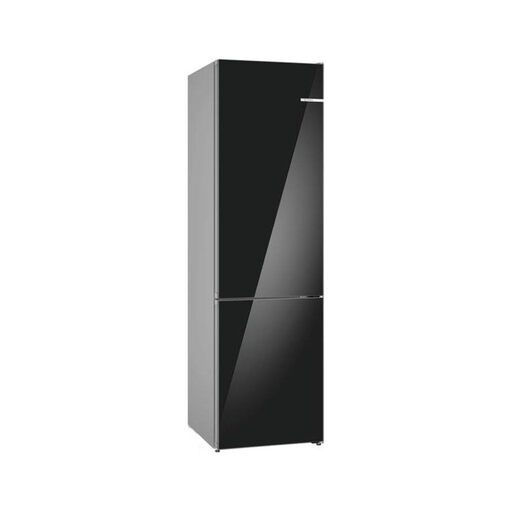
A good choice if you’re looking for a freshness zone for fruit and vegetables alongside a separate freezer compartment; it doesn’t guarantee that herbs will keep for any particular length of time.
VitaFresh XXL; NoFrost; 260 l fridge capacity and 103 l freezer capacity; 162 kWh per year; 35 dB; C energy rating.
 No image available
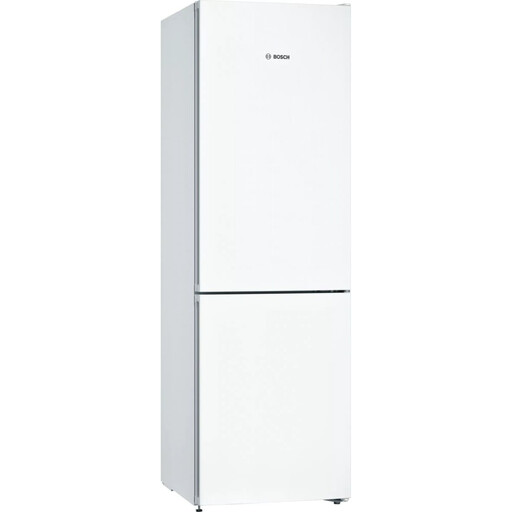
A good choice if you’re looking for an adjustable humidity drawer for fruit and vegetables, as well as freezer space for food storage; check the capacity against your household’s needs.
VitaFresh with humidity control; NoFrost; 237 l fridge capacity and 89 l freezer capacity; E energy rating.
 No image available
A good choice if you want a dedicated freshness zone and a separate freezer compartment for leftover herbs or other food.
Total No Frost; FRESHConverter+ zone; 220 l fridge capacity and 113 l freezer capacity; 169 kWh per year.
 No image available
A good choice if you’re looking for a compact appliance with fridge and freezer compartments for a smaller household; check that the capacities suit the amount of food you store.
121 l fridge capacity and 52 l freezer capacity; C energy rating; 124 kWh per year; 49,5 cm wide and 142,5 cm high; reversible door.
 No image available
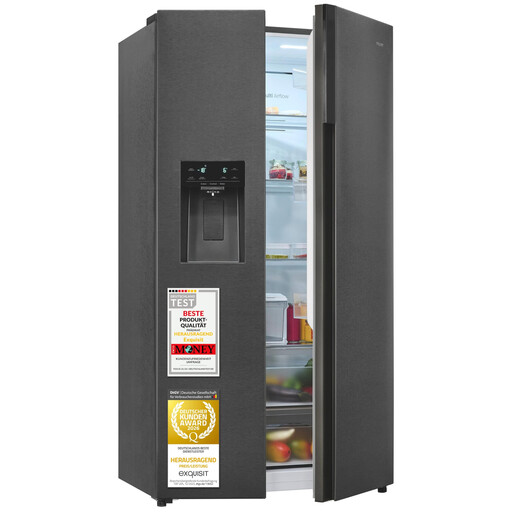
A good choice if you have room for larger quantities of frozen food as well as fresh produce, and enough space for the appliance.
347 l fridge capacity and 181 l freezer capacity; two salad drawers; No Frost; C energy rating; 199 kWh per year.
Not as a general rule: the BZfE recommends storing culinary herbs in the salad drawer but specifically excludes basil. So don’t treat basil like other herbs just because your appliance has a freshness compartment.
The BZfE recommends wrapping suitable herbs in a damp cloth or plastic bag and storing them in the salad drawer for a few days. Wash and chop them shortly before eating if possible. You can freeze leftovers, finely chopped with a little water, in ice-cube trays.
For appliances that are the right size for your needs, compare the stated annual consumption in kWh. To estimate the cost, multiply it by your electricity price per kWh. The consumer advice centre points out that actual consumption also depends on how and where the appliance is used.
Fridges use the EU energy efficiency scale from A to G; the older plus ratings have not been used for this appliance category since 2021. The German Environment Agency explains that the revised EU regulation made the new label compulsory from 2021. Alongside the efficiency rating, compare annual kWh consumption and compartment capacities.
No. Chilling food at home isn’t a substitute for keeping it properly chilled while you’re travelling. For example, the BZfE recommends using a cool bag for meals you’ve prepared yourself and are taking on the go.