Cooking for a short stay
You prepare beetroot at your holiday home and want to keep portions chilled for the next two to three days. The BfR recommends eating cooked leftovers within this time.


If you plan to eat cooked beetroot within two to three days, reliable cooling and enough usable fridge space matter more than a large freezer compartment. For food you want to save for a later stay, choose a freezer compartment suitable for freezing; the German Federal Centre for Nutrition recommends a four-star compartment for this. If your holiday home is left unheated, check that the actual room temperature falls within the permitted ambient temperature range for the specific model. The BfR also recommends cooling cooked leftovers to below +7 °C within a few hours.
You prepare beetroot at your holiday home and want to keep portions chilled for the next two to three days. The BfR recommends eating cooked leftovers within this time.
You cook more than you can eat during one stay and want to freeze portions for later. The German Federal Centre for Nutrition distinguishes between storing frozen food and freezing food yourself.
You leave the house empty for periods of time and need to consider whether frozen food will stay in the appliance while you’re away, as well as how warm or cold the room will get. The consumer advice centre recommends taking size and energy use into account; Miele highlights the temperature limits for each climate class.
First decide whether you’ll be chilling portions until your next meal or freezing them for a later stay. If the house is sometimes left empty, also check how the fridge and freezer compartments can be used while you’re away.
| What you need | What to check before buying | Who is this important to? |
|---|---|---|
| Chilling cooked portions | Check the usable fridge capacity and whether there’s room for shallow containers. The BfR recommends cooling leftovers to below +7 °C within a few hours and eating them within two to three days. | If I’m keeping portions for the next few days, I want enough space to store them properly and keep them reliably chilled. Around 36% of consumers prioritise promptly chilling cooked portions. |
| Freezing portions yourself | For freezing food yourself, look for a four-star compartment. Check the freezer capacity, drawer dimensions and freezing capacity against the amount you plan to freeze. The German Federal Centre for Nutrition explains the difference between three- and four-star compartments. | If I cook more beetroot than I can eat during my stay, I need room for portions to enjoy later. Around 29% of consumers prioritise freezing food for future stays. |
| Running the appliance while you’re away | Check the model documentation to see whether the fridge compartment can be switched off separately. If the room is unheated, make sure the climate class is suitable for the actual ambient temperature; Miele emphasises that its limits must be observed. | If frozen food is staying in the empty holiday home, I want to know how the freezer will keep running and whether the room is suitable for the appliance. Around 21% of consumers prioritise how their appliance operates while they’re away. |
| Space and energy use | Compare the appliance dimensions, door clearance, and fridge and freezer capacities separately. The consumer advice centre notes that larger appliances can use more energy, so check the annual consumption in kWh too. | If space is limited in my holiday-home kitchen, I don’t want an oversized appliance, but I still need enough room for my food. Around 14% of consumers prioritise the right appliance dimensions and running costs. |
Guidance on storing fresh beetroot doesn’t tell you how long cooked leftovers should be kept chilled.
For cooked beetroot, follow the BfR’s advice: cool it to below +7 °C within a few hours and eat it within two to three days.
Storing food that’s already frozen is not the same as freezing freshly prepared portions.
If you want to freeze cooked beetroot yourself, check that the specific freezer compartment is rated four stars. The German Federal Centre for Nutrition says this rating is for freezing food.
Total capacity doesn’t show how much room there is for chilled containers and frozen food separately. A larger appliance may also use more energy.
Compare the appliance dimensions, fridge and freezer capacities, and stated annual consumption in kWh. The consumer advice centre recommends considering energy use and the EU energy label when making your choice.
The permitted ambient temperature depends on the appliance’s climate class. The type of appliance alone doesn’t tell you whether it’s suitable for the room in question.
If the house is left unheated, check the possible temperature range there against the details for the specific model. Miele advises that the limits for the climate class must be observed.
The B3RCNO255XB is a freestanding fridge-freezer designed for spaces where appliance width matters.
The freestanding KGN33NWEB is an example of a model with separately stated fridge and freezer capacities.
The range includes freestanding and integrated fridge-freezers, including the integrated ICd 5103 Pure.
The models below include both freestanding and integrated fridge-freezers. Focus on the fridge and freezer capacity you need, as well as the dimensions of your available space or installation niche.
 No image available
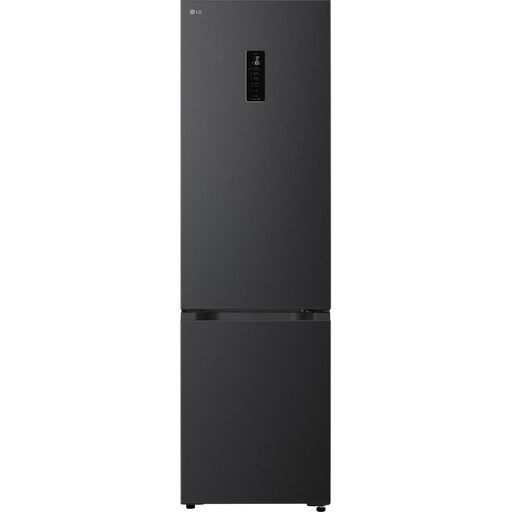
A good option to consider if you want separate space for chilled portions and food to freeze.
333 l total capacity; 220 l fridge compartment and 113 l four-star freezer compartment; Total No Frost; energy class C; annual energy consumption of 169 kWh.
 No image available
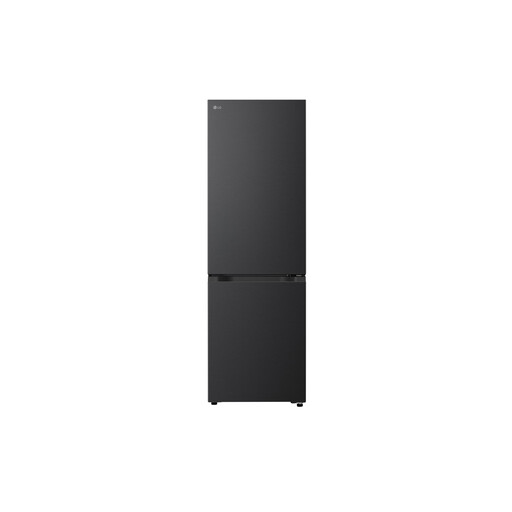
An option if you need more fridge space for several containers, as well as room for frozen food.
262 l fridge capacity and 113 l freezer capacity; energy class A; annual energy consumption of 112 kWh; 59.7 cm wide and 203 cm high.
 No image available
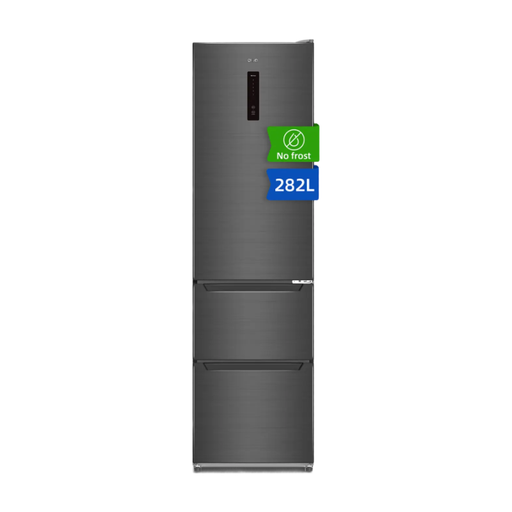
Worth considering if you want to fit the appliance into a suitable kitchen unit.
183 l fridge capacity and 113 l freezer capacity; energy class A; annual energy consumption of 108 kWh. A suitable installation niche is required.
 No image available
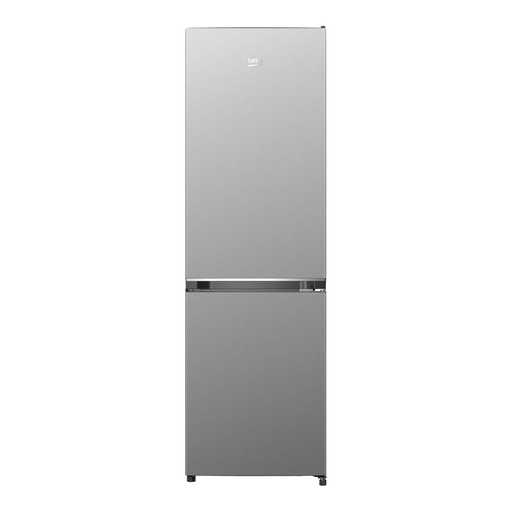
An option to consider if a freestanding model that’s 54 cm wide suits your available space.
197 l fresh food capacity; No Frost; energy class E; annual energy consumption of 233 kWh; 192 cm high.
 No image available
Could suit a narrower space; check the appliance dimensions against the room available before choosing.
180 l fridge capacity and 70 l freezer capacity; No Frost; energy class D; annual energy consumption of 172 kWh; 54 cm wide and 57.6 cm deep.
The BfR recommends cooling cooked leftovers to below +7 °C within a few hours and eating them within two to three days. To help them cool, divide larger amounts between several shallow dishes.
According to the German Federal Centre for Nutrition, a four-star compartment is designed for freezing food. A three-star compartment is for storing food that’s already frozen.
That depends on whether the actual room temperature is within the permitted range for the specific model. Miele advises that the temperature limits for the climate class must be observed.
Fridges and freezers are rated on a scale from A to G. As explained by Your Europe, the European Union’s information portal, the old plus classes have not been used for this appliance category since 2021. Also compare annual energy consumption in kWh and the separate compartment capacities, as the label doesn’t tell you whether the appliance will fit your space.