What to look for when buying
If you want to chill opened hummus and other ingredients for a family meal, the main things to consider are hygiene, usable fridge space, freezer capacity and running costs.
| Priority |
What to check when buying |
Who is this particularly important for? |
| Chilling and hygiene |
Space for a covered container and a controllable fridge temperature, as well as the storage instructions on the hummus packaging. |
When I serve opened hummus as part of a family meal, easy-to-reach shelves and hygienic serving are my main priorities. Around 33% of consumers prioritise chilling and hygiene. |
| Usable fridge space |
Compare fridge and freezer capacities separately, and check that your containers and shelves will fit in the space available. |
When I have several chilled dishes, I want enough well-organised space and don’t want to rely on total capacity alone; around 27% of consumers prioritise fridge space. |
| Freezer capacity |
Check the freezer capacity you need and how the specific model defrosts, for example whether it is labelled LowFrost or NoFrost. |
If I regularly freeze other meals or food supplies, I want the right amount of freezer space and to know how much defrosting it will involve. Around 20% of consumers put this first. |
| Energy consumption |
Compare the annual energy consumption in kWh of similarly sized appliances, and factor in your electricity tariff when estimating your costs. |
If you want to weigh up the running costs of an appliance that’s the right size, compare its stated annual energy consumption; around 20% of consumers prioritise energy consumption. |
Relevant brands at a glance
The details below relate to specific models and their stated compartments, features or installation dimensions; they are not a general assessment of entire brands.
Bosch
The KGN36VICT Serie 4 and KGE39AICA Serie 6 models differ in fridge and freezer capacity, as well as their defrosting features.
- Bosch Home Appliances Germany lists 218 l of fridge space, 103 l of freezer space and an automatic defrosting function for the KGN36VICT. The KGE39AICA has 249 l of fridge space and 94 l of freezer space.
- Bosch lists the KGE39AICA as LowFrost, not NoFrost. The advertised freshness benefits of the VitaFresh compartments do not prove that opened hummus will keep for longer.
LG
The GBBS322CEV is a freestanding model with stated overall dimensions and annual energy consumption.
- LG Germany lists a total capacity of 375 l, a height of 203 cm, a width of 59,7 cm and annual energy consumption of 175 kWh for the GBBS322CEV.
- The manufacturer’s guidance on a minimum 4 mm gap between the appliance and the wall for the door to function applies to this model. The advertised cooling technologies do not confirm a specific storage life for opened hummus.
Liebherr
The integrated ICNSd 5103 may be suitable if your kitchen recess and door installation match the stated dimensions.
- Liebherr lists a total capacity of 253 l and NoFrost for this model.
- The recess must be 177,2–178,8 cm high, 56–57 cm wide and 55,0 cm deep; the model is designed for a sliding door installation. According to the manufacturer, EasyFresh is for fruit and vegetables and does not prove that hummus will keep for longer.
Joybuy products
The Joybuy products below are fridge freezers with different stated fridge and freezer capacities. Compare the split between the compartments with your needs, and check the appliance dimensions before buying.
 No image available
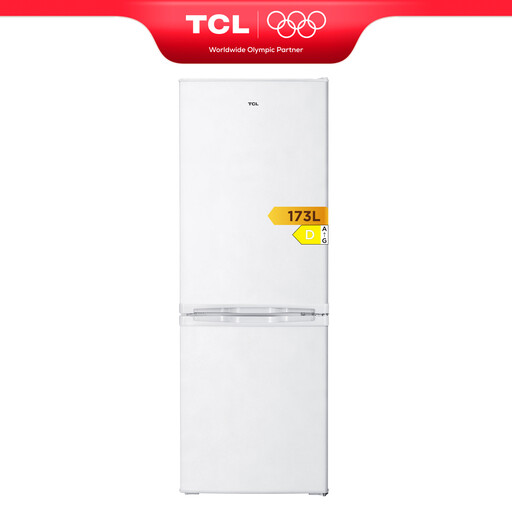
TCL RF225BWD0AM fridge freezer
Separate fridge and freezer capacity figures make it easier to check whether there’s enough room for a family meal.
- Total capacity: 173 l
- Fridge capacity: 121 l
- Freezer capacity: 52 l
- Energy efficiency class: D
View at Joybuy
 No image available
LG GBBSJ1CCPY fridge freezer
This freestanding model is an option if an appliance with Total No Frost and a total capacity of 333 l suits your space.
- Total capacity: 333 l
- Defrosting feature: Total No Frost
- Energy efficiency class: C
View at Joybuy
 No image available
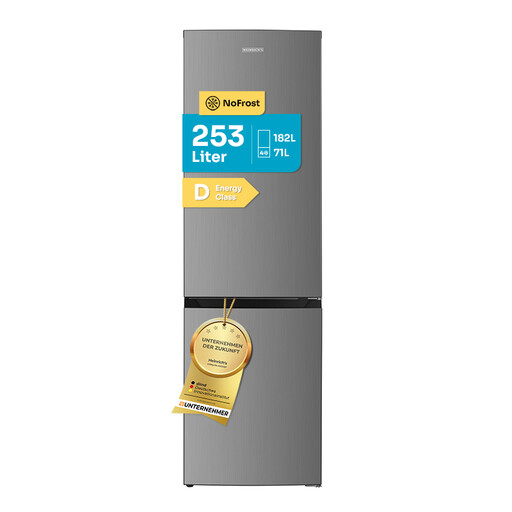
Heinrich’s fridge freezer, stainless steel
The separate capacity figures help you decide whether the balance of fridge and freezer space suits your household.
- Total capacity: 253 l
- Fridge capacity: 182 l
- Freezer capacity: 71 l
- Defrosting feature: No Frost
- Height: 181 cm
- Noise level: 39 dB
View at Joybuy
 No image available
LG GBBS727AEV Fit&Max, 375 l, black
This freestanding model may suit you if its 375 l total capacity and black finish work for your kitchen. Also check that the compartment layout meets your needs.
- Total capacity: 375 l
- Defrosting feature: Total No Frost
- Energy efficiency class: A
View at Joybuy
 No image available
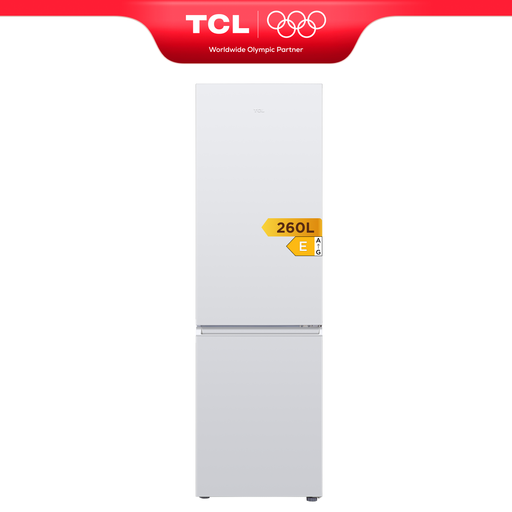
TCL RF338BWE0DE fridge freezer
The stated width of 55 cm can help you check whether it will fit in a limited space. Also make sure the separate compartment capacities suit your needs.
- Fridge capacity: 187 l
- Freezer capacity: 73 l
- Width: 55 cm
- Energy efficiency class: E
View at Joybuy
Frequently asked questions
How should I store opened hummus after a family meal?
Keep it covered in the fridge, serve it with clean cutlery and use it promptly. Follow the instructions on the specific packaging, too; the best-before date on an unopened pack does not give you a general time limit for using it after opening. The German Federal Institute for Risk Assessment recommends storing perishable foods at between 2 °C and 7 °C.
Do I need a zero-degree zone or NoFrost for hummus?
There is no evidence that a zero-degree zone or NoFrost is essential for storing opened hummus. The key things are to keep it chilled, serve it hygienically and follow the instructions on the packaging. NoFrost relates to defrosting, while freshness compartments do not guarantee a longer shelf life for hummus.
How can I compare energy consumption before buying?
Start by comparing appliances with the right fridge and freezer capacities. Multiply the annual energy consumption in kWh shown on the EU energy label by your electricity price per kWh to get a comparison figure; actual energy consumption at home may differ. The European Commission says the label includes annual energy consumption and compartment capacities, among other details.
What information and rules are important when buying a fridge in Germany?
The EU energy label for covered refrigeration appliances includes details such as annual energy consumption, compartment capacities and noise levels. Old appliances must not go in household waste; the German Environment Agency says municipal collection points generally accept waste electrical appliances free of charge. The statutory consumer rights you have against the seller and a voluntary manufacturer’s guarantee are different, as the consumer advice centre explains.


