Stocking up on leafy greens
You buy whole leafy greens for several meals spread over time and need practical fridge space to store them. The Verbraucherzentrale advises not overloading your appliance, so air can circulate.


If you regularly store whole leafy greens for several meals, first check whether a dedicated vegetable compartment can hold what you need. Then compare the fridge and freezer capacities with the available space in your kitchen. The Verbraucherzentrale recommends not overloading your appliance, so air can circulate. A freshness compartment is no substitute for proper refrigeration or for checking use-by dates and the condition of pre-cut salads.
You buy whole leafy greens for several meals spread over time and need practical fridge space to store them. The Verbraucherzentrale advises not overloading your appliance, so air can circulate.
You need to match the appliance and kitchen dimensions to your fridge and freezer needs. The Verbraucherzentrale points out that larger fridges can use more electricity.
You also store packaged or pre-cut leaves, which can spoil quickly, so bear this in mind regardless of any freshness claims made about the appliance. The Verbraucherzentrale recommends keeping pre-cut salads chilled.
| Priority | What to check when buying | Who it matters most to |
|---|---|---|
| Space and storage conditions for whole leafy greens | Check the purpose and usable size of the vegetable compartment, as well as fridge capacity and the layout of the compartments. | If I store whole leafy greens for later meals, the vegetable compartment needs to hold what I buy. Around 33% of consumers are likely to put this first. |
| Available space and capacity split | Compare the external dimensions, door clearance and separate fridge and freezer capacities. | If kitchen space is tight, I want to match the dimensions and compartment layout to what I need to store. Around 27% of consumers are likely to prioritise the right appliance size and storage capacity. |
| Safe storage for pre-cut leaves | Make sure there is easy-to-reach fridge space and follow the instructions on the packaging. | If I keep pre-cut salads, I want to chill them properly and keep an eye on their condition. Around 20% of consumers are likely to make this their main priority. |
| Ongoing electricity use | Compare annual consumption in kWh and the EU energy label for appliances with a suitable capacity. | If running costs matter to me, I compare the energy use of appliances that suit my space and refrigeration needs. Around 20% of consumers are likely to consider electricity use first. |
The name alone doesn’t tell you whether a particular compartment is designed for leafy greens. For example, LG describes the adjustable FRESHConverter+ compartment in its GBBS726AEV model as having settings for meat, fish or cheese.
Check the instructions for the specific model to find out what the compartment is designed for, rather than assuming it is suitable for salad based on its name.
Total, fridge and freezer capacities each answer different questions about storage space. The Verbraucherzentrale also points out that larger appliances can use more electricity.
Compare the internal layout, external dimensions and EU energy label together.
Pre-cut salads can spoil quickly and must be kept chilled. A freshness system advertised by the manufacturer doesn’t guarantee a particular shelf life.
Check the use-by date and follow the instructions on the packaging. Don’t eat salad if the packaging is swollen, there is unusual liquid or the leaves are discoloured.
Bosch home appliances Germany lists VitaFresh and Total No Frost for the KGN39OCAF model.
Siemens lists hyperFresh and Total noFrost for the KG39NAIAU model.
Liebherr describes a range of freshness systems, including EasyFresh and BioFresh with Fruit & Vegetable-Safe.
LG lists a total capacity of 375 l and an adjustable FRESHConverter+ compartment for the GBBS726AEV model.
Samsung lists the RB38C607AB1/EF as a fridge freezer with separate fridge and freezer functions and No Frost+.
This selection includes fridge freezers in a range of sizes and designs, with described vegetable or freshness compartments. Compare the stated storage capacity and external dimensions with your needs.
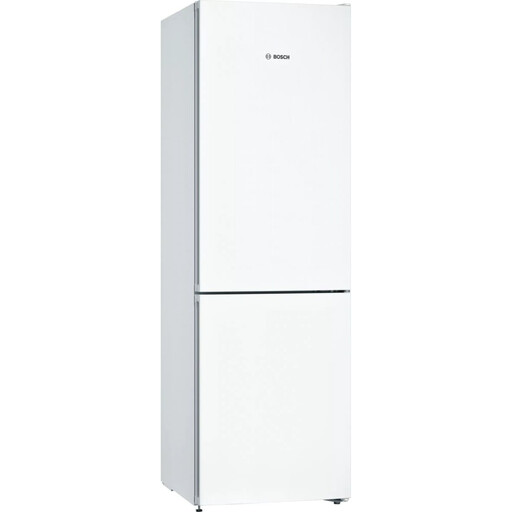 No image available
The product description lists a VitaFresh drawer with adjustable humidity for fruit and vegetables.
Fridge capacity: 237 l; freezer capacity: 89 l; total capacity: 326 l. Dimensions: 60 × 186 × 66 cm. Energy rating E.
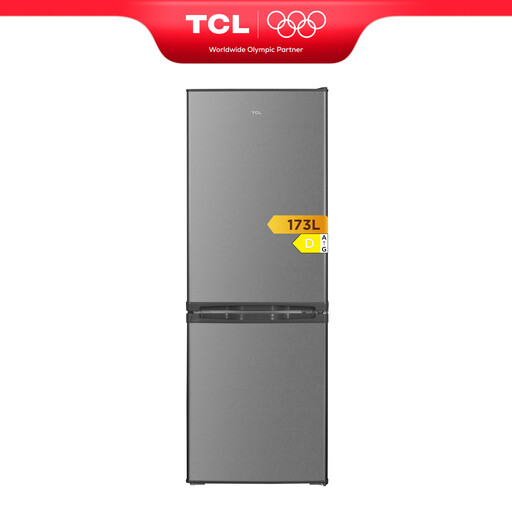 No image available
The product description lists a Fresh Zone drawer for fruit and vegetables.
Fridge capacity: 121 l; freezer capacity: 52 l; total capacity: 173 l. Dimensions: 142.5 × 49.5 × 56 cm. Energy rating D.
 No image available
The product description lists a full-width crisper drawer for salad and vegetables; its stated width is 54 cm.
Fridge capacity: 187 l; freezer capacity: 75 l; total capacity: 262 l. The appliance is 176 cm high. According to the description, the Low Frost freezer compartment needs manual defrosting around once or twice a year.
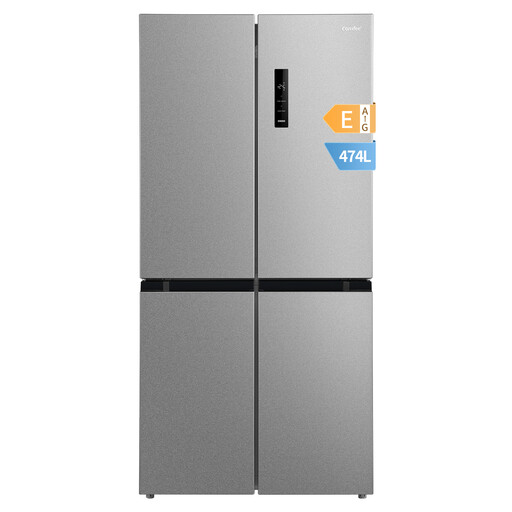 No image available
The product description lists a vegetable drawer with three temperature settings, as well as two freezer drawers that can be joined to create a larger compartment.
Total capacity: 474 l. Dimensions: 838 × 653 × 1775 mm. Energy rating E.
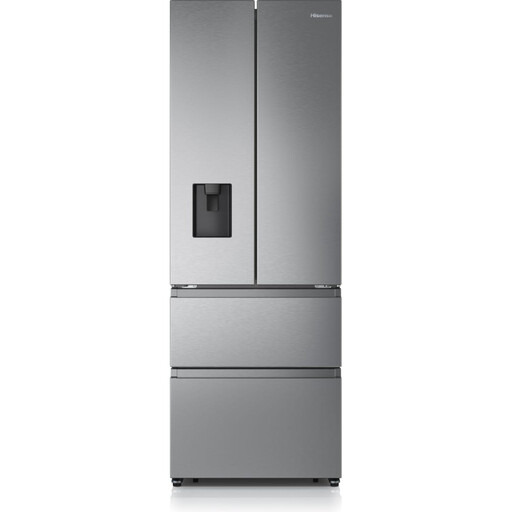 No image available
The product description lists a CrispZone for fruit and vegetables with a humidity control.
Fridge capacity: 336 l; freezer capacity: 149 l. Dimensions: 70 × 200 × 69.4 cm. Also listed are 38 dB, 295 kWh per year and energy rating E.
No. Pre-cut salads can spoil quickly and must be kept chilled. Check the use-by date, and don’t eat salad if the packaging is swollen, there is unusual liquid or the leaves are discoloured.
Use the area designed for vegetables, regularly wipe away condensation and don’t overload the appliance. Store vegetables separately from eggs and meat, and use older supplies first.
Compare the stated annual consumption in kWh for appliances with a suitable capacity. To estimate your annual running costs, multiply the consumption in kWh per year by your electricity price per kWh.
Fridges and freezers use the revised EU energy label, with a scale from A to G. The Verbraucherzentrale explains that the former plus ratings are not part of the current scale. The label also gives information about energy use and storage capacity.