Leftover soup for your next few meals
If you eat at different times and mostly chill portions for a short while, you’ll need easy-to-reach space for containers. The German Federal Institute for Risk Assessment recommends keeping leftovers chilled.


If you’ll be eating most of your leftover soup in the next few days, easy-to-reach fridge space and room for portion-sized containers are important. If you regularly plan to eat meals later on, you’ll also need a freezer compartment that suits your needs. Then compare the appliance’s dimensions with your available space and check its annual energy consumption in kWh. The German Federal Institute for Risk Assessment recommends storing leftovers in the fridge and eating them within two to three days. A larger appliance is no substitute for cooling food promptly or storing it hygienically.
If you eat at different times and mostly chill portions for a short while, you’ll need easy-to-reach space for containers. The German Federal Institute for Risk Assessment recommends keeping leftovers chilled.
If you cook larger quantities and want to save some for later meals, the freezer compartment should suit the portions you plan to store. The German consumer advice centre recommends choosing a freezer with enough capacity if you regularly freeze larger quantities.
If you need both temperature zones but have little floor space, consider the appliance’s external dimensions, door clearance and interior layout. The German consumer advice centre notes that a larger fridge-freezer can use more electricity.
Start by comparing how much fridge and freezer space you need. Then measure the available space and check the annual energy consumption of the appliances that fit.
| What matters | What to check when buying | Who is it important to? |
|---|---|---|
| Safe short-term storage | Usable shelves and space for shallow portion containers; plan how to cool food promptly regardless of which appliance you buy. | If I want to keep leftovers chilled and within easy reach for meals soon, I need space for individual containers. Around 33% of consumers put safe short-term storage first. |
| Freezer space for later | Check the freezer capacity, drawer dimensions and freezing capacity against the quantities you regularly freeze. | If I freeze larger quantities for meals later on, enough space to store separate portions is essential. Around 27% of consumers prioritise freezing food for later. |
| The right size and fit | Measure the height, width, depth and space needed to open the door; consider fridge and freezer capacity separately. | If space is limited in my kitchen, the appliance needs to fit and provide enough room in both compartments. Around 20% of consumers put available space first. |
| Energy consumption | Once you’ve found an appliance with enough usable space, compare the stated kWh/year figures; don’t assume the energy-efficiency class tells you its total annual consumption. | If I want to keep ongoing electricity use down, I compare appliances of a suitable size by their annual consumption. Around 20% of consumers prioritise electricity costs. |
The appliance’s capacity alone won’t make up for mistakes when cooling and storing cooked food.
Divide larger quantities between shallow containers and leave enough clear shelf space. The German Federal Institute for Risk Assessment recommends keeping leftovers chilled and eating them within two to three days.
You’ll need fridge space for meals you’ll eat soon and freezer space for food you’re saving for later. A suitable total capacity doesn’t tell you whether each compartment has enough room.
Compare the separate capacities and check how the shelves and drawers are arranged on the model you’re considering.
The appliance’s size and stated annual energy consumption also matter. Actual consumption may differ from the standardised figures on the label.
First compare appliances with enough space, then check their actual kWh/year figures.
Cooling technology varies from model to model.
Check the details for the Series 2 KGN33NLEB against the specific listing.
The CBNsda 572i Plus is a larger freestanding fridge-freezer.
The KG39N2IAF and KG49NXIBF come in different sizes, but Siemens says they are no longer available.
Features and freshness systems vary by model.
These appliances offer different fridge and freezer layouts. Compare the capacities and dimensions listed with the space you have and the portions you plan to store.
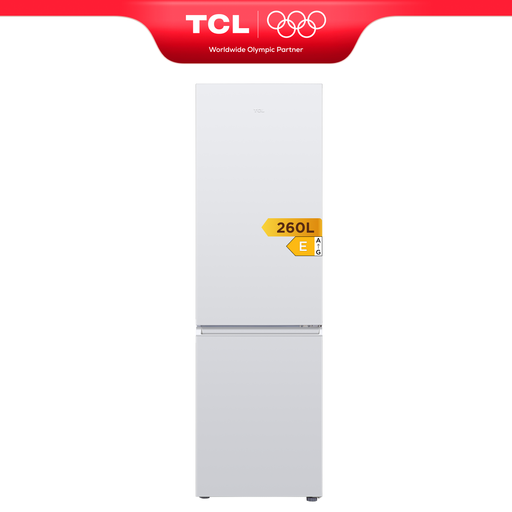 No image available
Could suit you if you want fridge space for portions you’ll eat soon and a separate freezer compartment for food you’re saving.
187 l of fridge space and 73 l of freezer space; 55 cm deep; energy class E. The product title also lists Fresh Zone, adjustable feet and a reversible door.
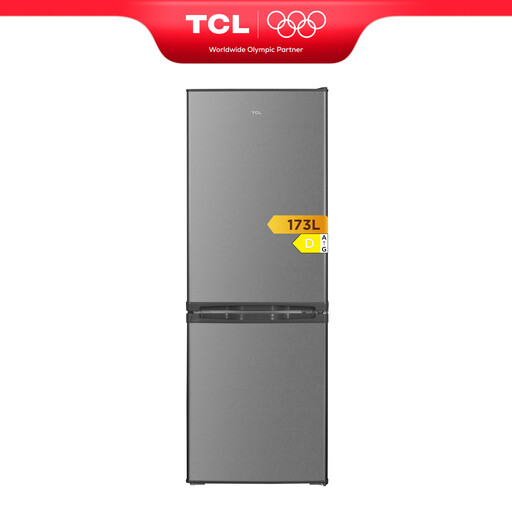 No image available
This more compact layout could suit households that need fridge and freezer space for smaller portions.
121 l of fridge space and 52 l of freezer space; adjustable shelves; LED lighting; energy class D.
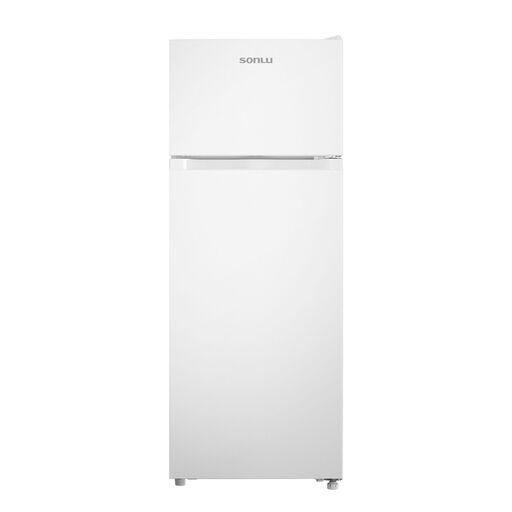 No image available
Could suit a kitchen where you want fridge and freezer functions in one appliance described as compact.
206 l total capacity; top freezer compartment; energy class E. The product title lists rapid cooling, fast freezing, adjustable shelves and levelling feet.
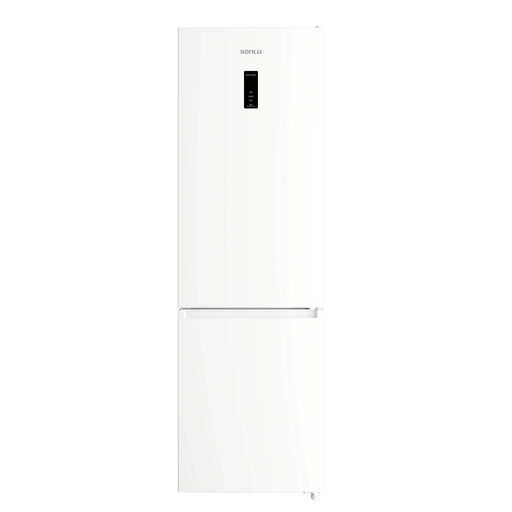 No image available
The separate compartments could be useful if you regularly freeze larger quantities; check that the freezer capacity suits your portions.
355 l total capacity, including 252 l of fridge space and 103 l of freezer space; 60 cm wide; energy class E. The product title lists an inverter compressor, a reversible door and electronic temperature control.
 No image available
Could suit a narrow space if the stated fridge and freezer layout meets your needs.
262 l total capacity, with a 70/30 split; 54 cm wide and 176 cm high; Low Frost; black.
Not for every storage period: the German Federal Institute for Risk Assessment recommends keeping leftovers chilled and eating them within two to three days. If you regularly plan to eat portions later, make sure you have suitable freezer space. Chilling food doesn’t replace hygienic preparation or cooling it promptly.
Divide larger quantities between several shallow containers to cool, and make sure you have enough clear fridge space for them. Having a larger appliance is no reason to leave a large pot of soup unrefrigerated for a long time.
The terms refer to different technologies: Beko describes MinFrost on the RCSA366K40XBN as reducing ice build-up, while the manufacturer lists NoFrost for the B3RCNO255XB. Check the features of the specific model rather than assuming the brand tells you how much defrosting it needs.
Once you’ve found appliances with enough space, compare the kWh/year figure on the EU energy label; actual consumption also depends on how and where the appliance is used. In Germany, your statutory rights against the retailer are different from a voluntary manufacturer’s guarantee, as the German consumer advice centre explains.
The EU energy label shows details including the energy-efficiency class, annual consumption, usable capacity and noise levels. The European Commission lists these as information to help compare fridges and freezers.