What should you look for when buying?
For cheese, first follow the storage instructions on the relevant packaging. The Federal Centre for Nutrition notes that the top shelf of the fridge can be a suitable place to store cheese; also check that your portions and containers are easy to reach in the fridge section you choose.
| What matters |
What to check when buying |
Who will find this especially important? |
| Well-organised fridge space |
Usable fridge capacity and shelves; space for the containers you use for your portions. |
If I prepare several portions for working days, I want to find them quickly in the fridge and store them according to the packaging instructions; around 33 % of consumers put usable fridge space first. |
| Keeping food chilled until lunchtime |
Plan in advance how food that needs to stay chilled will be kept cool during the journey and at your destination. |
If you don’t eat your lunchbox until midday, you need to plan for the journey and the time before eating; around 25 % of consumers prioritise keeping food cool after packing. |
| The right size and layout |
Measure the space available and compare fridge and freezer capacity separately with your household’s needs. |
If space is limited or you also want to store frozen food, you don’t want to choose an appliance that misses the mark on your actual needs; around 25 % of consumers prioritise size and layout. |
| Energy consumption |
For appliances of a suitable size, compare the EU energy label and annual consumption in kWh. |
If you use the appliance all the time, you’ll want to keep running costs in mind while still having enough fridge and freezer space; around 17 % of consumers put energy consumption first. |
Fridge freezers at Joybuy
The models below offer different fridge and freezer layouts, including examples with NoFrost. Compare fridge capacity, total capacity and stated energy consumption with your needs; you’ll still need to plan for separate cooling when transporting a lunchbox.
 No image available
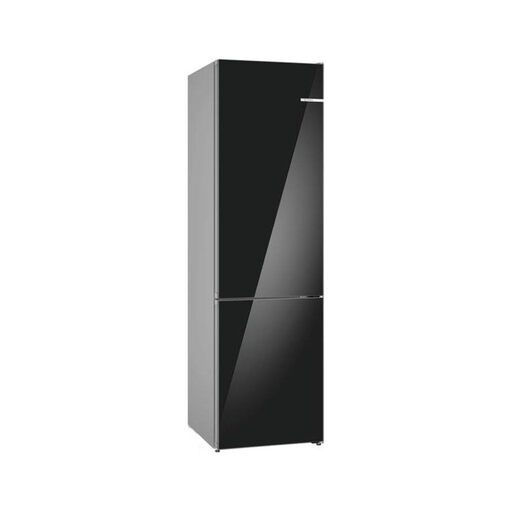
Bosch Serie 6 KGN39LBCF, 363 l, energy class C, black
An option to consider if you want to compare a stated fridge capacity of 260 l and NoFrost.
Total capacity: 363 l. Energy class C; annual consumption: 162 kWh.
Five shelves in the fridge section, three of which are adjustable; reversible door.
View at Joybuy
 No image available
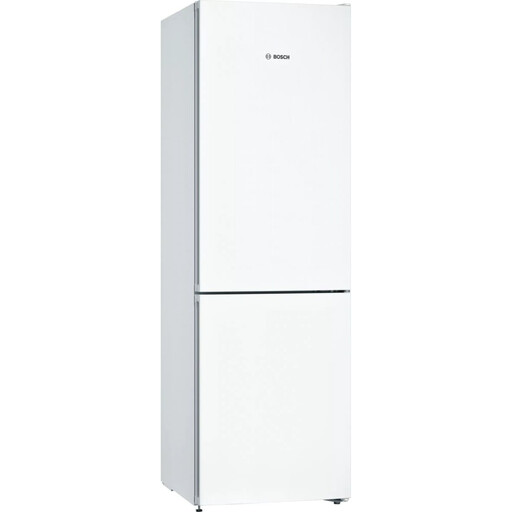
Bosch Serie 4 KGN36VWED, NoFrost, 326 l, energy class E, white
The stated fridge capacity of 237 l is useful when comparing shelf space with your freezer needs.
Total capacity: 326 l. Energy class E; annual consumption: 238 kWh.
Separate cooling circuits allow the temperature to be set independently. Two of the four glass shelves are adjustable.
View at Joybuy
 No image available
LG GBBSJ1CCPY, 333 l, Total No Frost, energy class C
The stated fridge capacity of 220 l gives you a specific figure to compare with the fridge space you need.
Total capacity: 333 l. Energy class C; annual consumption: 169 kWh.
Three glass shelves and three freezer drawers are listed.
View at Joybuy
 No image available
exquisit KGC5232-60-E-040C, 173 l, stainless-steel look-az
A smaller fridge freezer to consider if you want to compare your fridge and freezer needs separately with the space available.
Total capacity: 173 l; fridge section: 121 l; freezer section: 52 l.
Energy class C; annual consumption: 124 kWh. The stated width is 49,5 cm.
Three glass shelves and a reversible door are listed.
View at Joybuy
 No image available
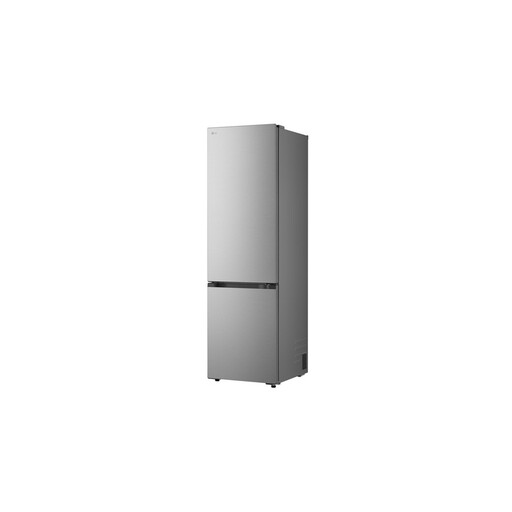
LG GBBSJ2CCPY, 375 l, energy class C
The described FRESHConverter+ setting for cheese may be useful if you’re looking for a specific temperature setting in the fridge section.
Fridge section: 262 l; freezer section: 113 l. Energy class C; annual consumption: 175 kWh.
Four glass shelves, four door shelves and three freezer drawers are listed.
The description states that the FRESHConverter+ zone can be set to 2 °C for cheese.
View at Joybuy
Frequently asked questions
Which part of the fridge should I use for portions of cheese?
First, follow the storage instructions on the relevant cheese packaging. The Federal Centre for Nutrition notes that the top shelf of the fridge can be a suitable place to store cheese; also check the temperature in the spot you choose.
Is my fridge at home enough if I don’t eat my lunchbox until midday?
Not if the contents need to stay chilled until you eat them: once you take the lunchbox out, you also need to consider cooling during transport and at your destination. The Federal Institute for Risk Assessment warns against inadequate cooling during transport and storage.
How do I compare the energy consumption of fridge freezers?
Compare the stated annual consumption in kWh for appliances whose size and layout suit your needs. Germany’s consumer advice centres recommend taking energy labels and consumption figures into account when choosing an appliance; the figure on the label won’t necessarily match your household’s actual consumption.
What’s the difference between statutory rights and a guarantee?
Your statutory rights and any additional guarantee offered are two different things. If you’re considering an optional guarantee, read its terms rather than assuming it is the same as your statutory rights.
Can I put my old fridge in the household rubbish?
No. Germany’s Federal Environment Agency explains that large electrical appliances must be disposed of separately, and that you can return a large old appliance free of charge when buying a new one of the same type, including when you buy online with delivery. Check the return arrangements when you place your order.


