What should you look for when buying?
First compare the space for your prepared containers and the rest of your household’s groceries, then look at freezer space and annual energy use. The German Federal Institute for Risk Assessment recommends storing highly perishable foods in the fridge at 2 °C to a maximum of 7 °C, and keeping them chilled when you’re out and about.
| Buying priority |
What to look for |
Who will find this most important? |
| Cooling and access |
Check the temperature in the compartment you plan to use, as well as the space and shelf height for sealed containers; also plan how you’ll keep food chilled once it’s taken out. |
If I prepare desserts in portion containers the night before, I need suitable shelves and a plan to keep them chilled throughout. Around 36% of consumers prioritise safe, practical cooling. |
| Space and layout |
Look at fridge and freezer capacities separately; check the external dimensions, door opening and shelves against your available space and containers. |
When I have several lunchboxes alongside the usual groceries, the fridge space I can actually use matters most. Around 29% of consumers put space and layout first. |
| Energy use |
For appliances of a suitable size, compare the kWh per year shown on the EU energy label. |
As the appliance runs all the time, I want to compare annual energy use across suitable sizes. Around 21% of consumers prioritise energy use. |
| Freezer space and defrosting |
Compare the freezer capacity and the defrosting system specified for the exact model with the amount you want to store. |
If I regularly freeze suitable ingredients or meals, I need enough freezer space and want to factor in the effort of defrosting. Around 14% of consumers prioritise freezer storage. |
Joybuy models at a glance
The Joybuy models below include compact and larger fridge freezers, as well as one with a larger freezer compartment. Choose based on the fridge space you need, how much you want to freeze and the dimensions that will fit your available space.
 No image available
exquisit KGC5232-60-E-040C fridge freezer in stainless steel look
This compact design could suit you if you want to store chilled portions alongside your usual groceries.
173 l total usable capacity; 121 l fridge space and 52 l freezer space; three glass shelves; 49.5 cm wide; energy rating C and 124 kWh/year.
View at Joybuy
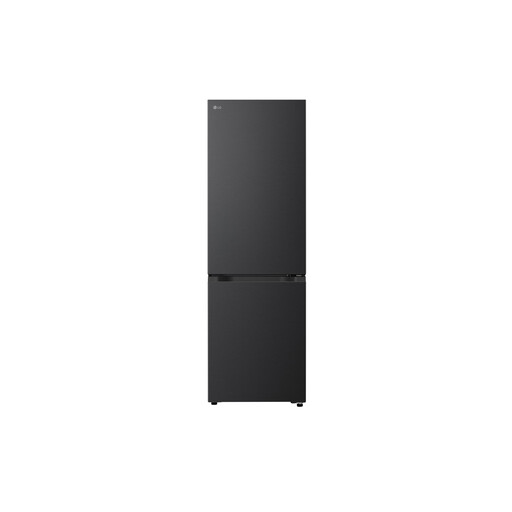 No image available
LG GBBS716AEV fully integrated fridge freezer
This integrated design is worth considering if you need space for several chilled ingredients and portions, and it fits your kitchen measurements.
333 l total capacity; 183 l fridge space and 113 l freezer space; separate 37-litre cold-storage compartment; adjustable shelves; energy rating A and 108 kWh/year.
For fully integrated installation, plan the housing niche and door front, and allow for the specified minimum clearance of 4 mm from the side wall.
View at Joybuy
 No image available
CHiQ JR263LGE Low Frost fridge freezer
The adjustable shelves can give you more flexibility when storing containers of different heights.
262 l total capacity; 187 l fridge space and 75 l freezer space; three of the four glass shelves are height-adjustable; 54 cm wide and 176 cm high; energy rating E and 215 kWh/year.
The freezer uses Low Frost and, according to the product details, needs to be defrosted manually around once or twice a year.
View at Joybuy
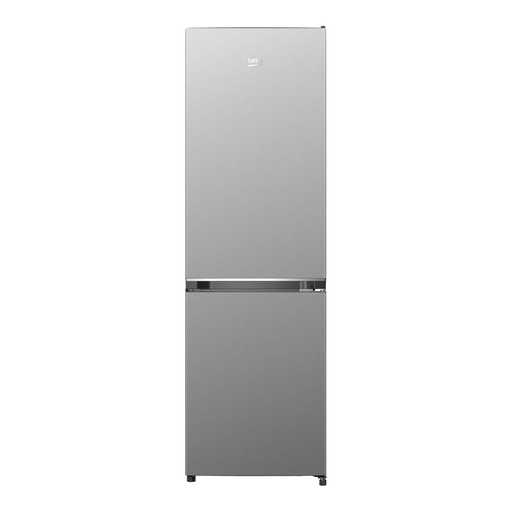 No image available
Beko B3RCNO255XB freestanding fridge freezer
The adjustable glass shelves are useful if you want to arrange the fridge space flexibly for portion containers and other foods.
250 l total capacity; 180 l fridge space and 70 l freezer space; four adjustable glass shelves; 54 cm wide; No Frost; energy rating D and 172 kWh/year.
View at Joybuy
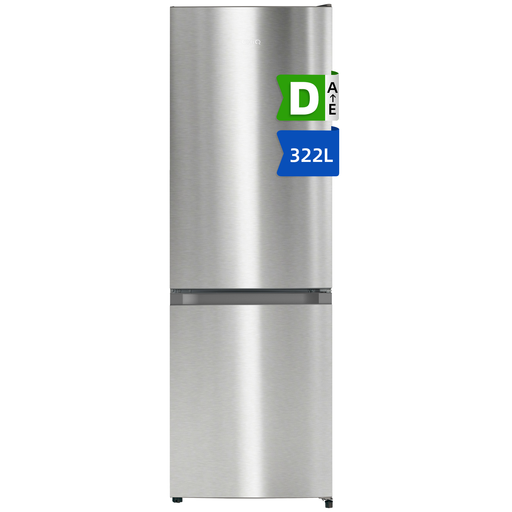 No image available
CHiQ JR318WSD Total No Frost fridge freezer
The separately listed fridge and freezer capacities may suit households storing chilled portions and a regular supply of frozen food.
322 l total capacity; 226 l fridge space and 96 l freezer space; energy rating D and 196 kWh/year; dimensions 59.5 × 63.5 × 185.5 cm.
At 63.5 cm deep, the appliance extends beyond a 60 cm-deep worktop; check that you have enough room.
View at Joybuy
Frequently asked questions
Will a yoghurt dessert stay safely chilled in a lunchbox once it’s taken out of the fridge?
No. You’ll need to plan how to keep it chilled in transit and until it’s ready to eat. The German Federal Institute for Risk Assessment recommends storing highly perishable foods in the fridge at 2 °C to a maximum of 7 °C, and keeping them chilled on the go. Choose a transport solution that suits the ingredients and journey time.
How can I check energy use and the balance of fridge and freezer space before buying?
The EU energy label shows details including annual energy use in kWh and the capacities of the fridge and freezer compartments. Compare these figures across appliances whose dimensions and usable layout suit your household.
What should I check before installing and maintaining the appliance?
Before ordering, check the appliance dimensions and door opening, as well as the niche for built-in models. NoFrost can eliminate the need to defrost manually in suitably equipped freezer compartments; always follow the relevant food hygiene advice on temperatures and storage.
Can I put an old fridge in the general waste bin?
No. Old electrical appliances must be collected separately. The German Environment Agency lists local collection points and retailers’ take-back obligations under certain legal conditions. Check how your old appliance can be returned or collected before delivery.


