Meal preppers who take lunch to work
If you cook lentils ahead for the next few working days, you’ll need organised space for individual containers. The BfR recommends eating chilled leftovers within two to three days.


Choose a fridge freezer based on the space available for your containers and the freezer capacity you need for meals you’ll eat later – not just its total capacity. The German Federal Institute for Risk Assessment (BfR) recommends cooling cooked leftovers to below +7 °C within a few hours and eating them within two to three days when stored in the fridge. Freeze portions for later days in good time.
If you cook lentils ahead for the next few working days, you’ll need organised space for individual containers. The BfR recommends eating chilled leftovers within two to three days.
If you prepare more portions than you’ll eat within a few days, easy-to-reach freezer space for suitable, labelled containers is important. The consumer advice centre recommends making sure there’s enough freezer capacity if you regularly freeze larger quantities.
If the appliance needs to suit your kitchen space and shopping habits, consider its dimensions and stated annual energy consumption as well as its usable capacity. The consumer advice centre recommends choosing an appliance size to match your actual needs.
First, plan which portions you’ll chill to eat soon and which you’ll freeze for later days. The BfR recommends eating chilled leftovers within two to three days.
| Buying priority | What to look for | Who is it important to? |
|---|---|---|
| Safe fridge storage | Space for shallow containers and a fridge temperature you can check. | If I’m chilling lentils for the next few working days, I need room for shallow containers and a temperature I can monitor; around 36% of consumers prioritise safe short-term chilling. |
| Freezer space for later portions | Check the freezer capacity and drawer dimensions separately from the fridge section. | If I cook more than I’ll eat within a few days, easy-to-reach freezer space for labelled portions matters; around 29% of consumers prioritise freezer storage. |
| Energy consumption | Compare annual consumption in kWh and the separate usable capacities shown on the EU energy label. | As the appliance runs all the time, I want to compare the energy use of a suitably sized model with its usable capacity; around 21% of consumers put energy consumption first. |
| Space and layout | Check the appliance dimensions and door clearance, as well as the usable shelves and drawers. | If kitchen space is limited, I need compartments that fit my lunch containers and are easy to reach; around 14% of consumers prioritise space and interior layout. |
More fridge space doesn’t extend the recommended storage time for cooked leftovers. The BfR recommends eating them within two to three days.
Divide portions according to when you’ll eat them: chill meals you’ll have soon and freeze portions for later in good time.
The total capacity in litres alone doesn’t tell you how much room there is in the freezer for lunch portions.
Compare fridge and freezer capacities separately, and check that your containers will fit in the drawers.
Liebherr describes SmartFrost on the CUe 2831 as reducing frost build-up; it doesn’t necessarily remove the need for manual defrosting.
Check the defrosting system on the exact model if you use the freezer frequently.
If you choose a model with SmartFrost, still allow time for possible manual defrosting.
Different model numbers can refer to different appliances and product specifications. A similar name isn’t enough to assume that features or test results apply to another model.
Before buying, check the full model number against the product data sheet for the exact appliance.
For households comparing fridge freezers with separate usable fridge and freezer space.
Worth considering when comparing separate fridge and freezer capacities and different defrosting systems.
A range worth comparing if its stated usable capacity and NoFrost features meet your needs.
The CUe 2831 is an example of a narrower freestanding fridge freezer.
A range to look at if you’re considering a 60 cm fridge freezer with NoFrost.
The selection below includes fridge freezers with stated freezer capacity, from compact models to options with more freezer space.
 No image available
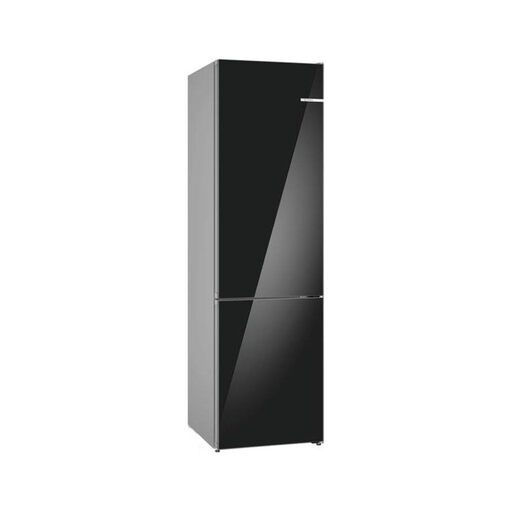
For several lunch portions to freeze, this model has three freezer drawers and a freezer capacity of 103 l.
The fridge capacity is 260 l. The dimensions are listed as 2030 × 600 × 665 mm. Features include NoFrost, MultiAirflow and adjustable shelves.
 No image available
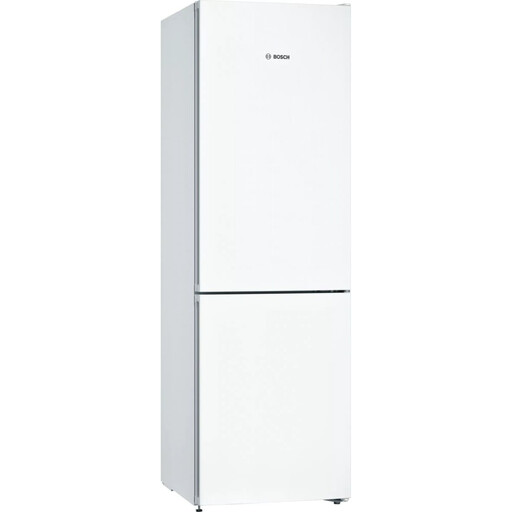
For individual lunch portions to freeze, this model has a freezer capacity of 89 l and three freezer drawers.
The fridge capacity is 237 l. The appliance is listed as 60 cm wide and 186 cm high, with NoFrost, SuperFreezing and two cooling circuits.
 No image available
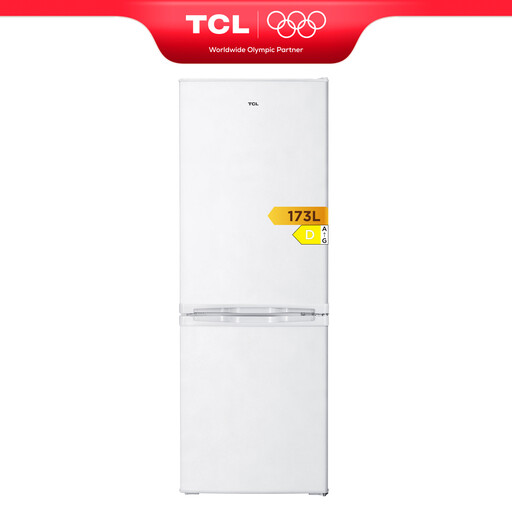
For a few chilled lunch portions and occasional frozen food, this model has a fridge capacity of 121 l and a freezer capacity of 52 l.
Adjustable shelves are listed as a feature.
 No image available
For portions you want to keep for longer than the next few days, this model has 113 l of freezer space and three freezer drawers.
The fridge capacity is 220 l, and annual energy consumption is listed as 169 kWh. Features include Total No Frost, fast cooling and fast freezing.
 No image available
For smaller amounts of chilled lunch portions with extra freezer space, this model has a fridge capacity of 121 l and a freezer capacity of 52 l.
The freezer compartment is rated 4-star and listed at −18 °C. The dimensions are 142.5 × 49.5 × 56 cm, and the door is reversible.
No. Don’t assume chilled leftovers will keep for five days. The BfR recommends eating them within two to three days and cooling them to below +7 °C within a few hours. Freeze portions for later days in good time.
Keep food that needs chilling cold while you’re travelling, too. Keeping it chilled at home won’t keep a portion cold in an uninsulated bag.
Divide larger quantities of cooked food into shallow portions so they cool quickly. Use freezer-safe containers and label them with the contents and date frozen. The consumer advice centre gives up to three months in the freezer as a general guide for prepared meals.
Check what’s included with the specific offer, such as delivery to the installation location, connection, and, if needed, removal or changing the door opening direction. The German Environment Agency explains that when you buy a corresponding large appliance, you can return your old one free of charge, including with an online purchase and delivery. Any additional work should be checked separately.
The EU energy label for household refrigeration appliances uses classes A to G. The European Commission lists other information shown on the label, including annual energy consumption in kWh, fridge and freezer capacities, and noise emissions. The QR code links to model information in EPREL.