Who is this choice relevant to?

Households eating at different times

If you prepare melon in advance and serve individual portions later, you’ll need room for covered pieces and should check the temperature where you actually store them. The German Federal Institute for Risk Assessment recommends eating pre-cut melon promptly or keeping it chilled at all times.

Households short on fridge space

If covered pieces of melon need to fit alongside your other food, usable shelves and the layout of the fridge compartment are key – not just the appliance’s total capacity in litres.

Energy-conscious shoppers

If you’re keeping an eye on running costs, compare the stated annual energy consumption with the usable capacity you need. The German consumer advice centre notes that a larger appliance can use more electricity.

What should you consider when buying?

Freestanding fridge freezer

A good fit if: you have space for a freestanding appliance and regularly store frozen food as well as chilled portions.

What to weigh up: Check the usable fridge space and annual energy consumption; a larger total capacity can also mean higher energy use.

Built-in fridge freezer

A good fit if: your existing kitchen has a designated housing unit and you want the appliance door to blend in with your cabinetry.

What to weigh up: The housing dimensions and door fitting must suit the specific model. The design alone won’t tell you how much room there is for portions.

Fridge with a small or no large freezer compartment

A good fit if: you freeze very little and would rather use more space for chilled food.

What to weigh up: A separate freezer takes up extra floor space, and you’ll still need a chilled place to store sliced melon.

Priority What should you check when buying? Who is this especially relevant to?
Fridge space and temperature Check the usable shelves and temperature settings, then check the temperature where you plan to store the food. For pre-cut fruit such as melon, the German Federal Institute for Risk Assessment recommends a temperature of preferably +4 to +6 °C. If I’m saving melon portions for a later meal, I want to be able to store them covered and reliably chilled. Around 36 % of consumers put keeping portions chilled first.
Space for portions and other food Compare fridge capacity, shelves and external dimensions separately. For built-in appliances, check the housing dimensions and door fitting too. If my fridge is already full of everyday food, I need extra room for covered pieces. Around 29 % of consumers prioritise available storage space.
Running costs Compare the stated energy consumption in kWh/year with the usable capacity you need and your electricity tariff. If I don’t want to pay to run a larger appliance than I need, I compare its energy use with my actual requirements. Around 21 % of consumers put running costs first.
Freezer space and defrosting Match the freezer capacity and the model’s defrosting technology to your needs; NoFrost is not proof that melon can be stored safely. If I regularly store frozen food, I want a freezer compartment that suits my needs without taking up the fridge space I need. Around 14 % of consumers prioritise freezer convenience and less defrosting.

Which buying misconceptions should you avoid?

  • Assuming a freshness zone keeps melon free from germs

    Germs can get onto the flesh when you cut the melon. Chilling slows their growth, but it won’t make contaminated food safe to eat again.

    Prepare the melon hygienically, cover the pieces, chill them promptly and check the temperature where they’re actually stored.

  • Comparing only the total capacity

    The total figure includes both the fridge and freezer compartments. The German consumer advice centre notes that a larger appliance can use more electricity.

    Compare the fridge and freezer capacities, shelves and appliance dimensions separately with your needs.

  • Thinking NoFrost is the answer for sliced melon

    For the models mentioned, NoFrost mainly relates to ice build-up and defrosting in the freezer compartment. It says nothing about keeping melon chilled.

    Assess NoFrost in terms of your freezer needs, and separately check the fridge space, temperature where you’ll store the melon and kitchen hygiene.

Which brands and models should you consider?

Bosch

The freestanding Series 4 KGN39VLCT lists its fridge and freezer capacities separately and offers temperature warnings and Total No Frost.

  • Bosch lists a 260 l fridge compartment, a 103 l freezer compartment and 162 kWh/year for this model.
  • Bosch gives the dimensions as 2030 × 600 × 665 mm; pay particular attention to the appliance height. VitaFresh is a manufacturer claim, not independent evidence of how long sliced melon will keep or the safe storage temperature.

Liebherr

The freestanding CNsfd 5204 Pure features EasyFresh and NoFrost. The integrated ICNd 5123 Plus is an alternative if you have a suitable kitchen housing unit.

  • Liebherr lists a total capacity of 319 l and dimensions of 185.5 × 59.7 × 67.5 cm for the CNsfd 5204. The manufacturer gives a housing height of 177.2–178.8 cm for the ICNd 5123 Plus, which is designed for fixed-door installation.
  • EasyFresh freshness claims don’t replace covering the melon or checking the temperature where it’s stored.

Haier

Haier’s freestanding 3D-60 range includes models with separately accessible freezer drawers, including the HTR3620CNMP.

  • Haier lists three doors, No Frost, energy efficiency class C and dimensions of 595 × 667 × 2050 mm for the HTR3620CNMP.
  • Check that the height and depth suit your kitchen. Advertised freshness or energy-saving benefits aren’t proof of how well melon will keep.

Samsung

The freestanding RB34C600CWW/EF is a SpaceMax fridge freezer with No Frost+ and a total capacity of 344 l.

  • Samsung lists a height of 185 cm and energy efficiency class C for this model.
  • SpaceMax is a manufacturer’s term and doesn’t show how many of your particular containers will fit in the fridge compartment.

Beko

The B3RCNO255XB is a 54 cm-wide fridge freezer with NoFrost Dual Cooling.

  • Beko describes this model as having separate cooling systems and a reversible door.
  • Check whether this narrower design offers enough fridge space for your needs. Manufacturer claims about preventing odours from spreading don’t replace storing sliced melon covered.

Joybuy products for your fridge and freezer needs

This selection includes freestanding and integrated fridge freezers for households that want to chill portions of melon alongside other food and, depending on their needs, store frozen food too.

LG GBBSJ1CCPY fridge freezer

LG GBBSJ1CCPY, 333 l

The stated fridge capacity includes shelves for covered portions and other chilled food.

220 l fridge compartment, 113 l freezer compartment, three glass shelves, 37-litre freshness drawer, Total No Frost and 169 kWh/year.

View at Joybuy

LG GBBS727AEV Fit&Max, 375 l

LG GBBS727AEV Fit&Max, 375 l

The separately stated fridge and freezer capacities make it easier to weigh up space for portions against room for the frozen food you store regularly.

262 l fridge compartment, 113 l freezer compartment and adjustable shelves. Energy efficiency class A.

View at Joybuy
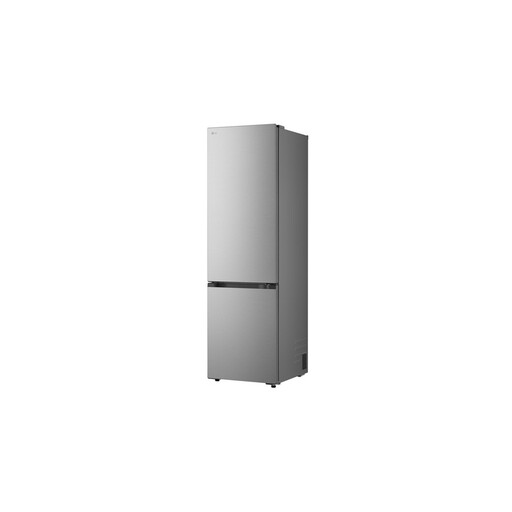
LG GBBSJ2CCPY, 375 l

LG GBBSJ2CCPY, 375 l

The electronic temperature control is useful if you want to adjust the settings on the appliance. You should still check the temperature where the food is stored separately.

262 l fridge compartment, four glass shelves, Total No Frost and 175 kWh/year. Energy efficiency class C.

View at Joybuy
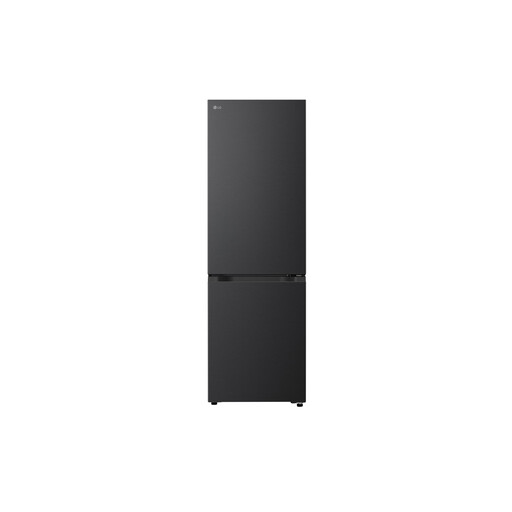
LG GBBS716AEV, fully integrated fridge freezer

LG GBBS716AEV, fully integrated

This integrated model may suit you if your kitchen requires a built-in appliance. Check the appliance dimensions against your housing unit.

183 l fridge compartment, separate 37-litre chiller compartment, temperature display and adjustable temperatures. Appliance dimensions: 597 × 1860 × 674 mm. Energy efficiency class A.

View at Joybuy
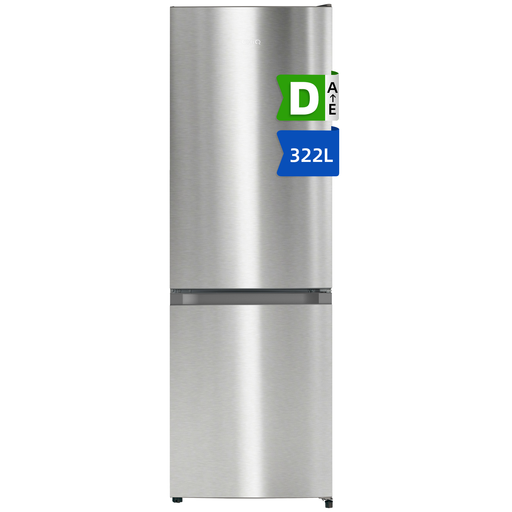
CHiQ JR318WSD, 322 l

CHiQ JR318WSD, 322 l

The stated fridge capacity offers space for chilled portions. Check that the external dimensions suit the space you have available.

226 l fridge compartment, 96-litre freezer compartment, Total No Frost and 196 kWh/year. Energy efficiency class D; 59.5 cm wide and 185.5 cm high.

View at Joybuy

Frequently asked questions

How should I store cut melon until my next meal?

The German Federal Institute for Risk Assessment recommends eating cut melon promptly or keeping it chilled at all times. For pre-cut fruit such as melon, it recommends a temperature of preferably +4 to +6 °C; this is a recommendation, not a universal limit for every appliance. Cover any leftover pieces and follow good kitchen hygiene. As a precaution, discard pieces of melon that have been left unrefrigerated for several hours.

Does a freshness drawer prove that a fridge is suitable for storing melon?

No. Check that covered portions actually fit in the fridge compartment, and once the appliance is running, check the temperature on the shelf where you plan to store them. A manufacturer’s name for a freshness zone doesn’t, by itself, prove the temperature at your chosen setting or that the melon is safe to eat.

What should I check before installation and during use?

For a built-in appliance, compare the housing dimensions and door fitting with the details for the specific model. Whatever the design, follow the manufacturer’s installation instructions, make sure the door closes tightly and check the fridge temperature where you plan to store food.

How can I compare energy use, and what happens if the appliance is faulty?

To get a rough idea of running costs, compare the model’s annual energy consumption in kWh with your electricity price, while also taking the usable capacity you need into account. For faulty goods bought from a business seller in the EU, the European Union states that the legal minimum guarantee period is two years from the date you receive the goods. Any additional manufacturer’s guarantee does not replace these rights.

Can I put an old fridge in my household rubbish, and can it be taken back?

Old appliances must go to separate electrical waste collection, not household rubbish. The German consumer advice centre explains that when you buy an equivalent new appliance, retailers obliged to take back old appliances offer free take-back for larger items. Local collection points also accept old electrical appliances free of charge. Check collection arrangements and the retailer’s terms before placing your order.