
Lieferung heute & morgen

Qualitätsgarantie

Willkommens-Angebote freischalten: KOSTENLOSE Lieferung | Bis zu 80 % RABATT | Kostenlose 30-Tage-JoyPlus-Testphase
App herunterladen
Purchasing a new fridge-freezer is a decision that will impact your daily life for years to come. But the market is flooded with marketing promises and technical specs that confuse more than they clarify. Many appliances later turn out to be energy hogs or are simply impractical for your household. As your Joybuy Product Recommendation Officer, I'll help you identify the crucial features and avoid common purchasing traps.
Before you decide on a model, you should be aware of three common misconceptions that often lead to an unsuitable choice.
To find the right appliance, focus on these three objective criteria.
The energy efficiency class provides an initial orientation, but the most important metric for running costs is the annual energy consumption, listed in kWh/a on the EU energy label. An energy-efficient Class C model might have a consumption of around 150 kWh/a, whereas an older or larger Class E appliance can easily exceed 250 kWh/a. Multiply this value by your electricity rate to determine the annual operating costs.
The right size is crucial to avoid wasting energy. As a rule of thumb:
The most common design is the freestanding fridge-freezer combination, as it offers flexible placement. For offices, student flats, or as a secondary appliance, a compact mini-fridge or a table-top fridge with an integrated freezer compartment is often suitable.
Besides No Frost, other technologies are relevant:
Here are some models that represent a smart choice for specific user profiles based on their technical data and features.
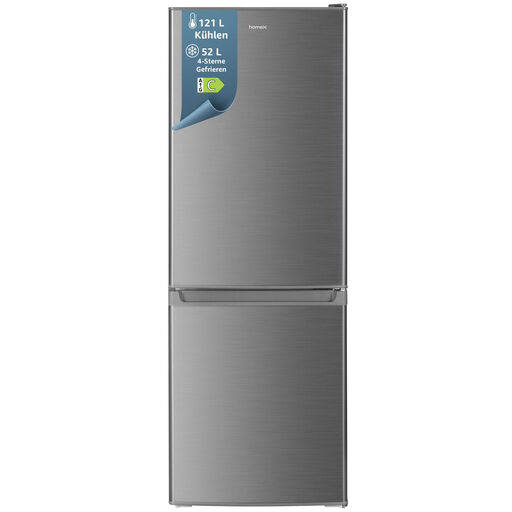
Why this model is a great fit: Ideal for small to medium-sized households looking for solid basic features without unnecessary frills. Its compact dimensions and reversible door hinge make it flexible for various kitchen layouts.
This model demonstrates that Energy Class C is already very efficient. With an annual consumption of just 124 kWh, it offers low running costs without you having to pay extra for a Class A rating.
Efficient Use of Space: With 173 litres of total volume in a width of under 50 cm, the appliance is very space-saving. Smart Layout: Offers three glass shelves, a vegetable drawer, and a 4-star freezer compartment.
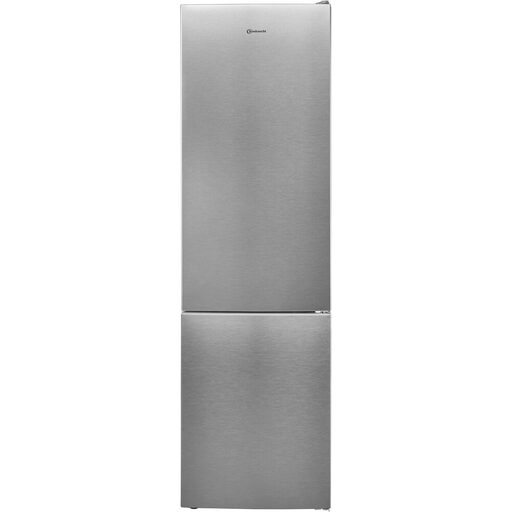
Why this model is a great fit: Perfect for families and users with high standards for efficiency and comfort. Ideal for open-plan kitchens where a quiet appliance is essential.
At just 32 dB, this appliance is extremely quiet, completely solving the problem of disruptive operating noise. The Total NoFrost technology with Even Flow also ensures optimal, gentle cooling.
Energy Class A: At 112 kWh/a, it is one of the most economical appliances in its size class. Multi Zone: A compartment can be flexibly used as either a fridge or freezer section, offering maximum flexibility.
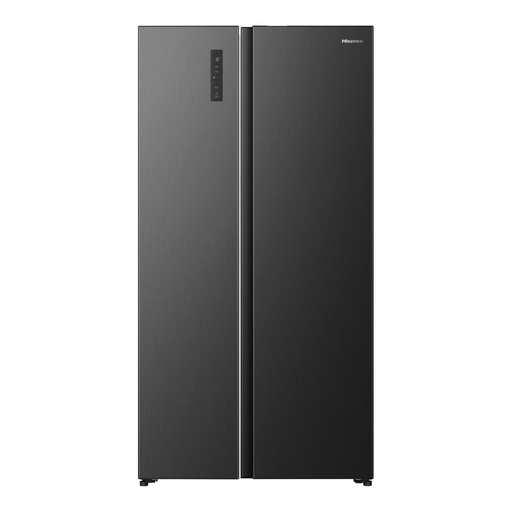
Why this model is a great fit: This side-by-side refrigerator offers an enormous 544 litres of space, making it the perfect solution for large families or anyone who likes to buy in bulk and needs to store large quantities.
Despite its size, the appliance is exceptionally quiet at 35 dB, dispelling the myth that large appliances have to be loud. The Total No Frost technology with Multi-Airflow ensures gentle storage.
Massive Capacity: 347 litres for the fridge and 197 litres for the freezer provide maximum storage capacity. Modern Features: Metal-Tech Cooling for even temperatures and an elegant design in a black refrigerator finish.
We have compiled a complete, up-to-date list of products that fully meet these strict selection criteria and German safety regulations.
Consumption heavily depends on size and features. A typical freestanding fridge-freezer with an Energy Efficiency Class C rating and about 250–300 litres of usable capacity consumes approximately 140 to 170 kWh per year. This corresponds to annual electricity costs of about €42 to €51, assuming an electricity price of 30 cents/kWh.
No-Frost prevents the formation of ice layers in the freezer compartment by circulating cold, dry air. This saves you the hassle of defrosting and ensures consistent cooling performance. The downside can be that the dry air causes unwrapped foods to dehydrate faster. Therefore, look for models with separate crisper drawers (often with humidity control) for fruit and vegetables to minimise this effect.
The average lifespan of a modern fridge-freezer is about 10 to 15 years. The actual lifespan depends on the quality of the compressor, the build quality, and regular maintenance. An indicator of the manufacturer's confidence in its longevity is an extended warranty on the compressor, which some brands offer.