What should you look for when buying?
Start by checking the space available and how much fridge room you need for leftovers. If you regularly batch-cook, then compare freezer capacity, defrosting type and running costs.
| What you need |
What to check when buying |
Who is this important to? |
| Chill leftovers safely |
Space for portion-sized containers; actual fridge temperature |
If I’m keeping cooked pasta for later, cooling it quickly matters more than having a large freezer. Around 30% of consumers make safe chilling their priority. |
| Space and size |
External dimensions and door opening; fridge and freezer capacities separately |
In a small kitchen, I want to avoid an unnecessarily large appliance while still being able to fit containers in easily. Around 30% of consumers focus on suitable dimensions and storage space that meets their needs. |
| Freezing portions |
Usable freezer capacity; defrosting type |
If I prepare several portions, I need freezer space I can actually use. Around 20% of consumers prioritise freezing. |
| Energy use and noise |
kWh per year; stated noise level |
Once I’ve chosen a suitable size, I want to compare its running costs and noise level with the location where it will go. Around 20% of consumers prioritise energy use or the stated noise level. |
The German Federal Institute for Risk Assessment recommends cooling hot food quickly to below 7 °C if you plan to store it for longer. An appliance alone does not confirm that this temperature will actually be reached under particular storage conditions. The German consumer advice centre also recommends considering annual energy consumption alongside appliance size.
Joybuy products for chilled leftovers and frozen food
These fridge-freezers range from models for chilled leftovers and occasional freezing to options with more freezer space. Compare the separate capacities and external dimensions with your actual needs.
 No image available
exquisit KGC5232-60-E-040C, Inoxlook-az
For chilled leftovers and occasional freezing, compare the separately listed capacities with your own needs.
173 l total capacity; 121 l fridge capacity and 52 l freezer capacity; 49.5 cm wide; 4-star freezer compartment; automatic defrosting; LED lighting.
View at Joybuy
 No image available
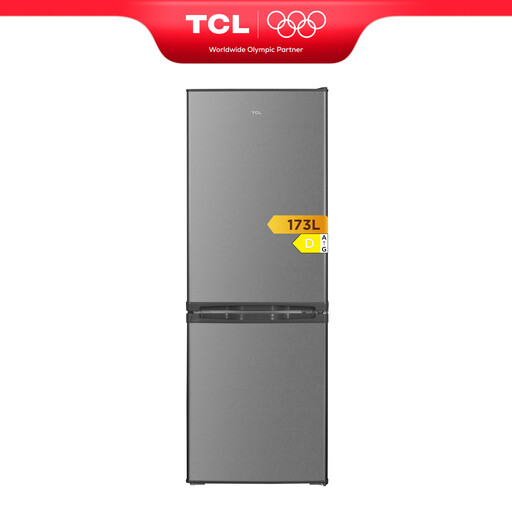
TCL RF225BID0DE, 173 l
The separate fridge and freezer capacities make it easier to check whether it meets your needs for leftovers and frozen portions.
121 l fridge capacity and 52 l freezer capacity; adjustable shelves; LED lighting; energy class D.
View at Joybuy
 No image available
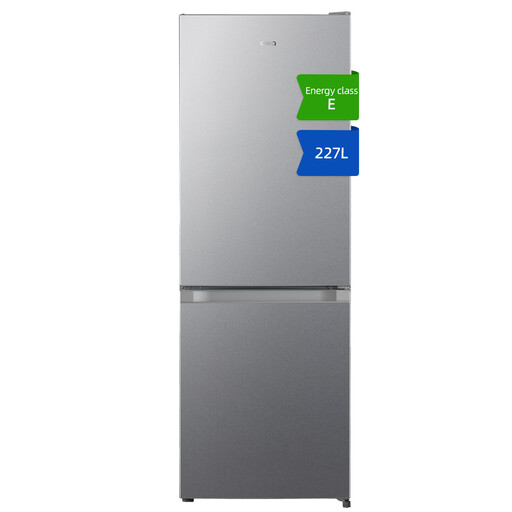
CHiQ JR227LSE, 227 l, Silber
For chilled leftovers and occasional freezing, compare the separate capacities and appliance width with your available space and storage needs.
153 l fridge capacity and 74 l freezer capacity; 54 cm wide; Low Frost; 4-star freezer compartment; reversible door; adjustable shelves; energy class E.
View at Joybuy
 No image available
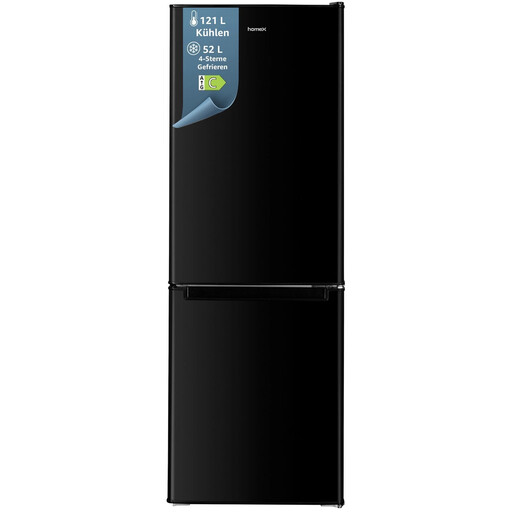
homeX CFS1110-B, 173 l, Schwarz
The listed width can help you check whether it will fit in a limited space; also consider how much defrosting the freezer compartment will need.
173 l total net capacity; 49.5 cm wide; 4-star freezer compartment; manual defrosting; reversible door; energy class C.
View at Joybuy
 No image available
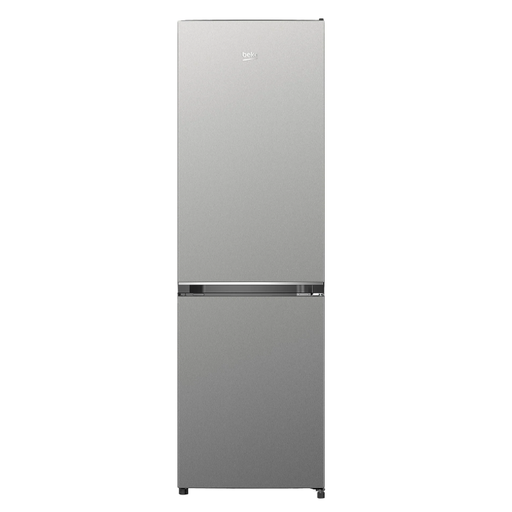
Beko B3RCNO256XB, 250 l, No Frost
If you regularly freeze several portions, check whether the larger fridge and freezer capacities suit your food supplies and available space.
180 l fridge capacity and 70 l freezer capacity; 54 cm wide and 180 cm high; 140 kWh per year; No Frost; reversible door; energy class C.
View at Joybuy
Frequently asked questions
How should I store cooked pasta until my next meal?
Cool the portion quickly and keep it covered in the fridge. The German Federal Institute for Risk Assessment recommends cooling hot food quickly to below 7 °C if you plan to store it for longer.
Do I definitely need NoFrost for portions of pasta?
No, NoFrost is not essential for chilled leftover pasta. The feature mainly affects defrosting the freezer compartment; if you rarely freeze food, compare the storage space you need and annual energy consumption first. Beko describes MinFrost as reducing ice build-up, not as NoFrost.
What should I measure before positioning a fridge-freezer?
Measure the width, height and depth of the space, as well as the clearance needed when the door is open. For the specific model, also check the manufacturer’s guidance on the door hinge and positioning.
What does the energy label tell me about energy use?
The EU energy label rates appliances from A to G. Also compare the stated kWh per year, and make sure the appliance size and freezer capacity meet your needs.
How much fridge space is enough for one person?
The German consumer advice centre generally recommends 100 to 150 l of usable fridge capacity for one- or two-person households. Also consider how much freezer space you actually need for portions you prepare regularly.


