Enjoying radishes fresh
You want to keep a harvest or shopping for the next few days crisp and fresh. The BZfE recommends storing radishes in the salad drawer and points out that raw radishes can turn mushy after defrosting.


You don’t need a fridge freezer just to freeze radishes for later: the BZfE recommends storing raw radishes in the salad drawer and points out that they turn mushy after freezing. A fridge freezer makes sense if you also want to freeze other suitable foods in portions. Choose the freezer capacity, dimensions and annual energy consumption to suit those needs.
You want to keep a harvest or shopping for the next few days crisp and fresh. The BZfE recommends storing radishes in the salad drawer and points out that raw radishes can turn mushy after defrosting.
You keep your radishes fresh and freeze suitable foods or prepared portions alongside them. The Verbraucherzentrale recommends choosing freezer capacity to match the amounts you usually freeze at one time.
You need both fridge and freezer space in one appliance, so you’ll need to check the external dimensions, compartment layout and energy consumption against the space available. The Verbraucherzentrale points out that larger appliances can use more electricity.
A good fit if: you plan to eat the radishes in the next few days.
The trade-off: A larger freezer won’t keep raw radishes crisp after defrosting.
A good fit if: you regularly freeze suitable foods or prepared portions.
The trade-off: More freezer space takes up room, so choose a capacity that suits the amounts you usually freeze.
A good fit if: the salad drawer is big enough for short-term storage and you only planned to freeze raw radishes.
The trade-off: Consider any additional freezer needs separately from your radishes.
The BZfE recommends keeping radishes crisp in the salad drawer rather than the freezer. When choosing a fridge freezer, base the freezer capacity on the other foods you plan to freeze.
| What you need | What to check before buying | Who is this important to? |
|---|---|---|
| Keeping radishes fresh | Room in the salad drawer for a sealed container; remove the leaves before storing. | If I want to keep raw radishes crisp for the next few days, I need room for a sealed container in the salad drawer. Around 40% of consumers make this their top priority. |
| Freezing other food | Compare the freezer capacity and, for larger batches, the model’s freezing capacity with the portions you usually freeze. | I regularly freeze other suitable foods or prepared portions, so I need enough freezer space. Around 30% of consumers prioritise this. |
| Fitting in your kitchen | Measure the available space and route into the kitchen; check the external dimensions and fridge and freezer capacities separately. | With limited space, the appliance needs to fit in my kitchen while still offering enough usable space for my food. Around 20% of consumers prioritise the fit. |
| Energy consumption | Compare the annual consumption in kWh and the energy efficiency class on the current EU energy label. | Once the size and capacity are right, I also want to factor in running costs. Around 10% of consumers put this first. |
The BZfE lists radishes among the foods with a high water content that can turn mushy after defrosting. A larger appliance won’t change that.
Look for a practical salad drawer for your radishes, and choose freezer capacity to suit other suitable foods.
An oversized appliance takes up extra space and can use more electricity.
A manufacturer’s description of a compartment feature doesn’t, on its own, prove that radishes will keep for a particular length of time. The BZfE instead gives specific storage advice.
Check that a sealed container will fit in the salad drawer. Remove the leaves before storing the radishes, and don’t assume a feature’s name means they’ll stay fresh for longer.
The balance of fridge and freezer space varies from one appliance to another. The Verbraucherzentrale recommends choosing capacity to suit your actual needs.
Compare the capacity of each compartment, the external dimensions and the model’s annual energy consumption.
Running costs depend on the appliance’s annual energy consumption and how you use it.
The KGN39VICT is an example of a fridge freezer with separate fridge and freezer capacities, as well as VitaFresh.
The KG39N2IAF and KG49NXIBF show fridge freezers in different sizes.
The GBB92MBB3P is an example of a fridge freezer with Total No Frost.
According to Liebherr, the CBNsda 572i combines BioFresh and NoFrost.
The KFN 4898 A-20 D is an example of a fridge freezer with PerfectFresh Active and a flexible freezer compartment.
These fridge freezers keep fresh food chilled in the fridge and suitable food frozen in the freezer. To keep raw radishes crisp, don’t freeze them.
 No image available
For fresh food in the fridge and other suitable food in the freezer.
Total capacity: 333 L. Total No Frost; energy efficiency class C.
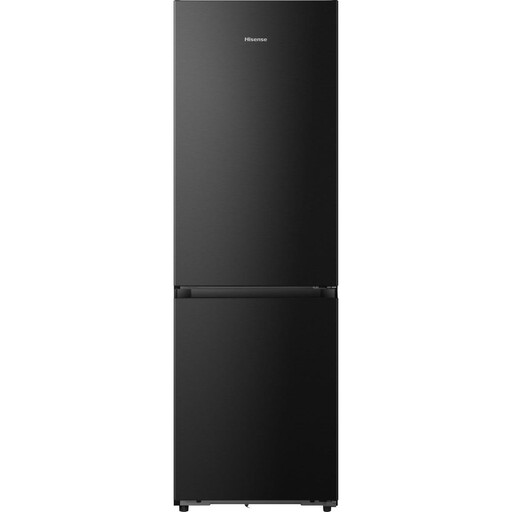 No image available
For fresh food in the fridge and other suitable food in the freezer.
Total capacity: 330 L. No Frost.
 No image available
For fresh food in the fridge and other suitable food in the freezer.
Total capacity: 173 l. 4-star freezer; Inoxlook-az.
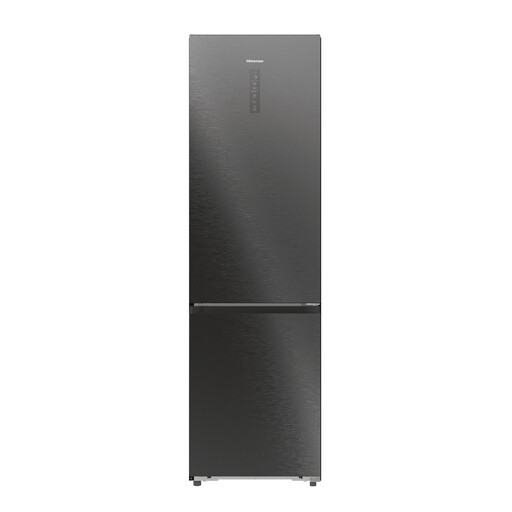 No image available
For fresh food in the fridge and other suitable food in the freezer.
Total capacity: 413 L. Energy efficiency class C.
 No image available
For fresh food in the fridge and other suitable food in the freezer.
Total capacity: 262 L. Low Frost; 70/30 split. Width: 54 cm; height: 176 cm.
Not if you want them to stay crisp after defrosting. The BZfE lists radishes among foods with a high water content that can turn mushy when defrosted. For radishes you plan to eat soon, store them in the salad drawer instead.
Remove the leaves and keep the radishes in an airtight container in the salad drawer. The BZfE says they can be stored this way for up to five days; this isn’t a general guarantee for every harvest.
Choose freezer capacity to suit the amounts you usually freeze at one time. For fresh foods that are suitable for freezing, the Verbraucherzentrale also recommends looking for a four-star rating and checking the specifications for the specific model.
Compare the annual consumption in kWh and the energy efficiency class on the current EU energy label. The A to G scale has applied to fridges and freezers since 1 March 2021. The Verbraucherzentrale also recommends considering usable capacity and energy consumption when choosing an appliance.