What should you look for when buying?
First, check that the vegetable drawer and fridge space suit the ingredients you need for your meals. Then choose the freezer capacity, appliance dimensions and energy consumption to suit your household.
| What matters |
What to check when buying |
Who is it important to? |
| Storing salad properly |
Check the size and accessibility of the vegetable drawer. For specialist compartments, check what they’re designed to store. |
If I want to keep delicate leaves until dinner, I need a suitable vegetable drawer. Around 36% of consumers prioritise suitable salad storage. |
| Fridge space for your meal |
Compare fridge capacity, drawer layout, adjustable shelves and appliance dimensions. |
If I want to chill other ingredients for a shared meal as well as salad, the usable interior space is key. Around 29% of consumers prioritise space for these ingredients. |
| Energy consumption and size |
Compare annual energy consumption in kWh and the separate fridge and freezer capacities on the EU energy label. |
If I want to keep running costs in mind while still having enough storage space, I compare the energy consumption of appliances in suitable sizes. Around 21% of consumers look first at energy consumption and the right size. |
| Freezer space |
Check the freezer capacity against your frozen food habits. |
If I regularly store frozen food, I need enough room for it alongside the fridge space. Around 14% of consumers prioritise their freezer needs. |
Fridge-freezers available at Joybuy
This selection includes fridge-freezers with designated vegetable drawers. Also compare fridge and freezer capacities, appliance dimensions and the requirements for installing each model.
 No image available
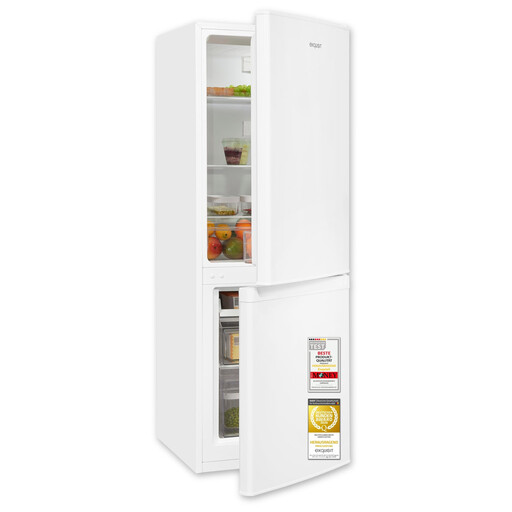
Exquisit KGC5232-60-E-040E
A vegetable drawer is designated for short-term salad storage.
Net total capacity: 173 l; fridge: 121 l; freezer: 52 l.
Dimensions: 142.5 × 49.5 × 56.0 cm. The door is reversible.
View at Joybuy
 No image available
Exquisit KGC5232-60-E-040C Inoxlook-az
The vegetable drawer provides designated space for salad and vegetables.
Net total capacity: 173 l; fridge: 121 l; freezer: 52 l.
Freestanding model, 49.5 cm wide and 142.5 cm tall; the door is reversible.
View at Joybuy
 No image available
LG GBBS727AEV Fit&Max
Two vegetable drawers are listed, providing space for salad and other fresh ingredients.
Total capacity: 375 l; fridge: 262 l; freezer: 113 l.
Energy class A according to the product name. Dimensions: 597 × 1860 × 674 mm.
View at Joybuy
 No image available
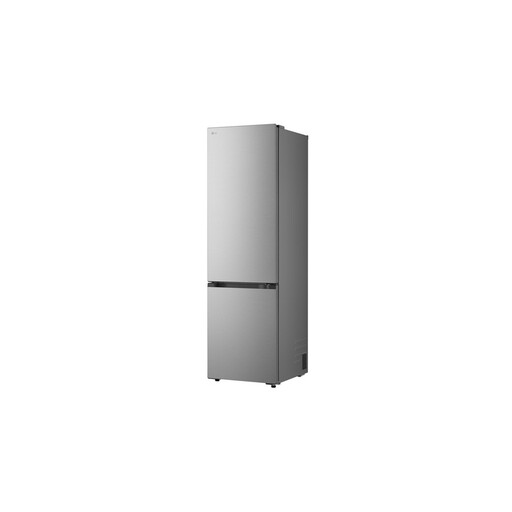
LG GBBSJ2CCPY
Two vegetable drawers are designated for salad and other fresh ingredients.
Total capacity: 375 l; fridge: 262 l; freezer: 113 l. Energy class C according to the product name.
Dimensions: 597 × 2030 × 674 mm; professional installation is specified. The FRESHConverter+ zone is designed for meat, fish or cheese, not salad.
View at Joybuy
 No image available
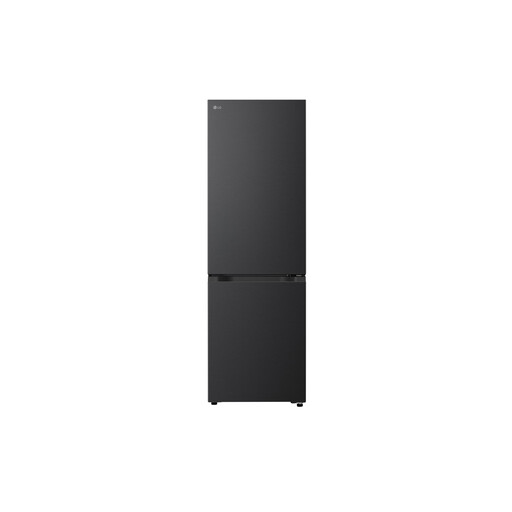
LG GBBS716AEV
Two vegetable drawers are listed; according to the product information, the FRESHConverter+ zone is designed for meat, fish or cheese.
Total capacity: 333 l according to the product name. Energy class A and annual energy consumption of 112 kWh according to the product information.
Dimensions: 67.5 × 59.7 × 203 cm; a door-opening angle of 110° is specified.
View at Joybuy
Frequently asked questions
How should I store salad leaves until a shared dinner?
Store fresh salad in a protected space in the vegetable drawer, for example in a container or bag, or wrapped in a damp cloth. The Federal Centre for Nutrition says fresh salad usually keeps for one to two days. Add dressing shortly before serving, and wash the leaves before preparing them.
Can I treat pre-cut salad like a whole lettuce?
No. According to the German Federal Institute for Risk Assessment, pre-cut Fresh-Cut products spoil quickly. Follow the manufacturer’s instructions for refrigeration and use-by dates. For people who are particularly vulnerable, the Institute recommends avoiding these products or preparing fresh ingredients shortly before eating, after washing them thoroughly.
What should I check before positioning my fridge-freezer?
Measure the available floor space and height, and check whether the door and drawers can open where you plan to put the appliance. ETM TESTMAGAZIN notes that appliances vary in how much side clearance they need for the door to open.
How can I compare energy consumption and potential costs?
Compare the annual energy consumption in kWh on the EU energy label, then multiply it by your electricity price per kWh to estimate your costs. The consumer advice centre also distinguishes between the statutory warranty provided by the seller and a voluntary manufacturer’s guarantee.
Do fridge-freezers in Germany need an EU energy label, and where should I take my old appliance?
Household fridge-freezers sold on the EU market in Germany must meet EU energy labelling requirements. The label shows, among other details, annual energy consumption and fridge and freezer capacities. Electrical appliances must not go in household rubbish. The consumer advice centre explains that you can return them to local collection points, and that retailers are required to take back larger old appliances when you buy a new one. Check the return arrangements before delivery.


