What should you look for when buying?
First compare the space available and the accessible fridge capacity for your containers. Then consider how much freezer space you actually need and the stated annual energy consumption.
| Buying priority |
What to check |
Who is this important to? |
| Safe, accessible chilled storage |
Compare usable fridge capacity and shelf spacing with your containers. For perishable foods, the German Federal Institute for Risk Assessment recommends a fridge temperature of 2 °C to no more than 7 °C. |
If I prepare dressing for meals at different times, I want to store sealed containers neatly and hygienically. Around 36 % of consumers prioritise safe, accessible chilled storage. |
| Keeping shared cooking plans organised |
Check whether the shelves and door compartments suit your containers, and whether everyone in your household can label the contents clearly. |
If several people use the fridge at different times, I want to find and identify prepared containers quickly. Around 29 % of consumers prioritise staying organised when cooking together. |
| Freezer space for other portions |
Compare the freezer capacity, drawers and freezing capacity of the specific model with your needs. The consumer advice centre gives −18 °C as the optimum temperature for freezers. |
If we regularly freeze other suitable foods in portions, I need enough freezer space for them. Around 21 % of consumers put this need first. |
| Dimensions and energy consumption |
Measure the height, width, depth and door swing area. For models that fit, compare the stated annual energy consumption in kWh and the EU energy label. |
If my kitchen is short on space and the appliance runs all year round, I want to compare suitable external dimensions and clearly stated energy consumption. Around 14 % of consumers prioritise space and energy use. |
Fridge-freezers at Joybuy
The Joybuy products below include freestanding and fully integrated fridge-freezers, with a range of stated capacities and features. Compare the details for each model with the space available, your need for accessible fridge storage and how much freezer space you actually need.
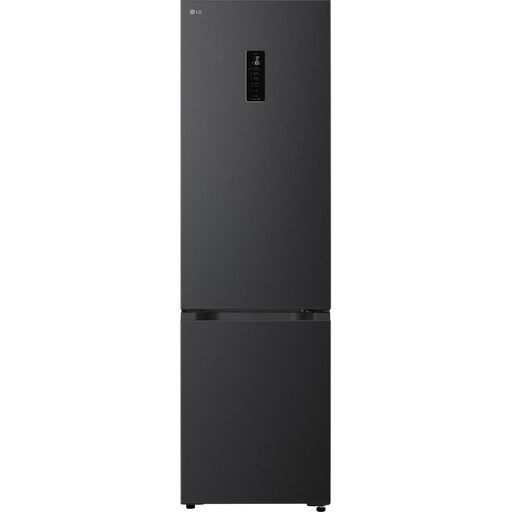 No image available
LG GBBS727AEV Fit&Max fridge-freezer
For households looking to compare freestanding fridge-freezers with a stated energy class.
Details listed in the product name: 375 L total capacity, energy class A, black.
Joybuy
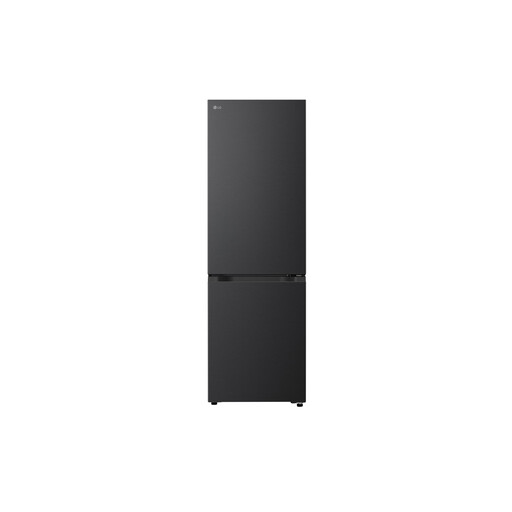 No image available
LG GBBS716AEV fully integrated fridge-freezer
For a fitted kitchen where a fully integrated model is required.
Details listed in the product name: 333 L total capacity, energy class A and FRESHConverter+ 0 °C zone.
Joybuy
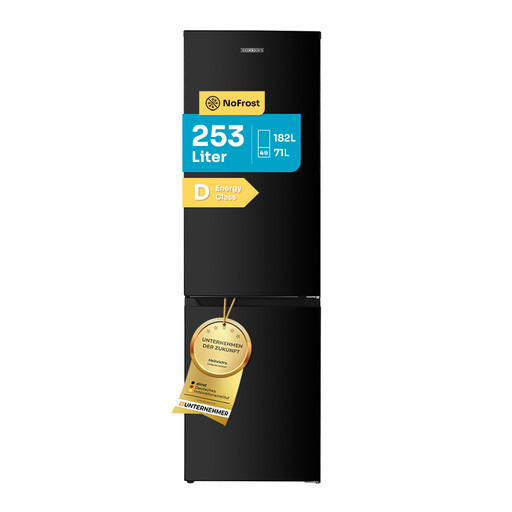 No image available
Heinrich’s fridge-freezer, 253 l
For households looking to compare the separately stated fridge and freezer capacities.
Details listed in the product name: 182 l of fridge space, 71 l of freezer space and 39 dB; black stainless steel finish.
Joybuy
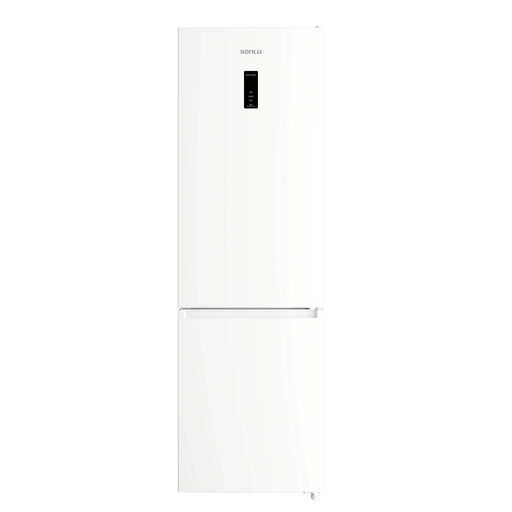 No image available
Sonlu CD-400RW fridge-freezer
For buyers who want to check stated external dimensions and separate compartment capacities.
Details listed in the product name: 355 L total capacity, 252 L of fridge space, 103 L of freezer space, 60 cm wide and energy efficiency class E.
Joybuy
 No image available
CHiQ JR263LGE Low-Frost fridge-freezer
For households wanting to compare the dimensions stated in the product name with the space available.
Details listed in the product name: 262 L, 70/30 split, 54 cm wide and 176 cm high; black finish.
Joybuy
Frequently asked questions
How should we store homemade dressing between shared cooking sessions?
Keep it chilled in a sealed container, and take the ingredients and hygienic preparation into account. The Federal Centre for Nutrition recommends keeping homemade dressing in the fridge for later use; for perishable foods, the German Federal Institute for Risk Assessment recommends a temperature of 2 °C to no more than 7 °C. There is no general shelf life that applies to every recipe; take particular care if it contains raw eggs.
Can NoFrost guarantee a particular storage time or make it safe to freeze our dressing?
No. Manufacturers describe NoFrost as a feature that prevents ice build-up and reduces the need to defrost. This does not prove that a particular dressing recipe is safe to store or suitable for freezing.
What should we check before installation and during use?
Measure the space where the appliance will go and the area needed to open the door, then compare these with the external dimensions of the specific model. Check the temperature after filling the fridge: for perishable foods, the German Federal Institute for Risk Assessment recommends a temperature of 2 °C to no more than 7 °C. Chilling slows the growth of many germs, but does not replace good kitchen hygiene.
How should we compare the energy consumption of different appliances?
For appliances that fit your space, compare the stated annual energy consumption in kWh and check the EU energy label. The consumer advice centre warns that larger fridges can use more electricity and that an oversized appliance can waste energy.
Does the energy label have to be visible on an online listing?
Yes. According to information from the European Union, energy labels for covered products must also be clearly visible in online shops. This is an information requirement for sellers, not an additional minimum efficiency class for buyers.


