What should you look for when buying?
Compact fridge freezer
A good fit if: Space is limited and you only occasionally freeze pre-prepared portions.
The trade-off: Less space can limit how much you can store at once, both in the fridge and freezer. Some models also need to be defrosted manually.
Roomier fridge freezer
A good fit if: Several people regularly share groceries or freeze larger quantities, and the appliance and its open door will fit in your kitchen.
The trade-off: More capacity takes up more space. Compare the annual energy consumption of the specific models that will fit.
| What matters |
What to check when buying |
Who will find this especially important? |
| An organised fridge section |
Check the shelf layout and whether shelves can be adjusted. Once the appliance is in place, measure the temperature where you store food. |
If I share opened hummus and ingredients, I want to store them neatly and covered, and serve them hygienically. Around 36 % of consumers prioritise hygienic fridge storage. |
| Freezer space for meals |
Check the freezer capacity separately from the fridge capacity, and consider the drawer layout and defrosting method. |
If I regularly prepare meals together with others, I need enough space for the portions I plan to freeze. Around 29 % of consumers prioritise freezer space for prepared meals. |
| Fit and access |
Check the appliance dimensions, door hinge and clearance needed to open it at the intended location. |
If my kitchen is short on space, the appliance needs to fit, and its doors and freezer drawers must open easily. Around 21 % of consumers prioritise how well an appliance will fit in their kitchen. |
| Energy consumption |
For appliances that meet similar needs, compare kWh/year, separate usable capacities and the noise rating on the EU energy label. |
If I’m choosing an appliance for everyday use, I want to compare its stated energy consumption with the capacity I need. Around 14 % of consumers pay particular attention to energy use and running costs. |
The Consumer Advice Centre recommends choosing freezer capacity to match the amount of food you actually store. The EU energy label shows annual energy consumption, fridge and freezer capacities, and noise emissions, among other details. Standardised figures may not match the energy use in your own home.
Joybuy products for shared kitchens
The following Joybuy products include compact and roomier fridge freezers for planning chilled groceries and frozen portions together.
 No image available
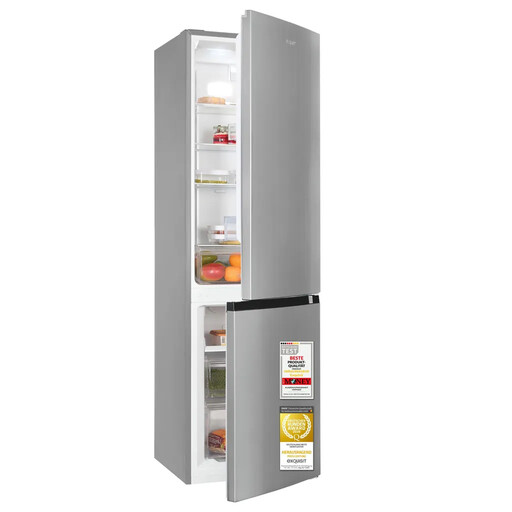
Exquisit KGC5265-70-NF-040C, stainless steel effect
A more compact design for shared chilled groceries and planned frozen portions.
Listed with a total capacity of 253 l: 182 l fridge and 71 l freezer; energy class C, annual energy consumption of 141 kWh, 39 dB, No Frost and electronic temperature control.
Joybuy
 No image available
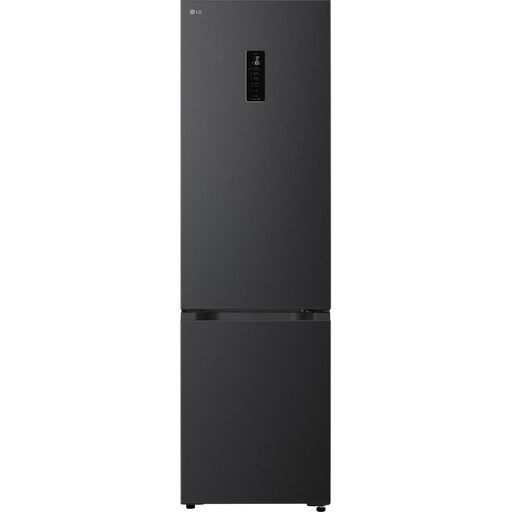
LG GBBS727AEV Fit&Max, 375 l
A roomier option if you plan chilled groceries and regularly frozen portions together.
Listed with a total capacity of 375 l: 262 l fridge and 113 l freezer; energy class A, annual energy consumption of 112 kWh, temperature control, adjustable shelves and three freezer drawers.
Joybuy
 No image available
CHiQ JR263LGE, Low Frost, 262 l
The stated width of 54 cm and reversible door are worth considering when planning where to put it.
Listed with a total capacity of 262 l: 187 l fridge and 75 l freezer; 70/30 split, height of 176 cm, three height-adjustable fridge shelves and three freezer drawers. The freezer compartment is designed to be defrosted manually around once or twice a year.
Joybuy
 No image available
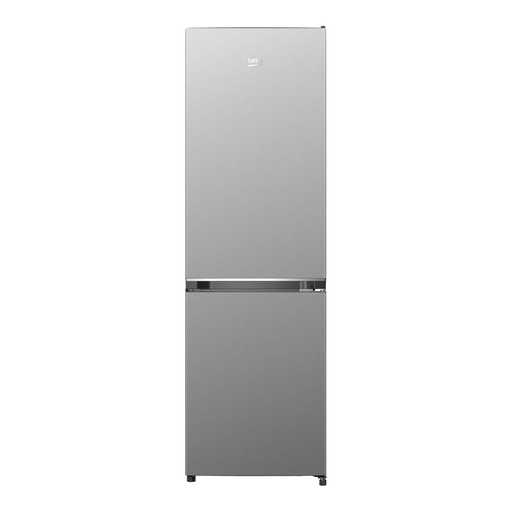
Beko B3RCNO255XB, No Frost, 250 l
A more compact option for shared chilled groceries and a separate freezer compartment.
Listed with a total capacity of 250 l: 180 l fridge and 70 l freezer; energy class D, No Frost, four adjustable glass shelves, temperature display and reversible door hinges. The product listing gives the appliance width as 54 cm.
Joybuy
 No image available
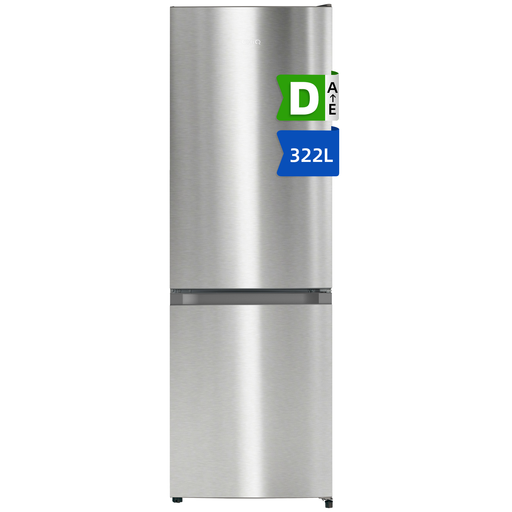
CHiQ JR318WSD, Total No Frost, 322 l
A roomier option for shared chilled groceries and portions you plan to freeze more often.
Listed with a total capacity of 322 l: 226 l fridge and 96 l freezer; 70/30 split, energy class D and annual energy consumption of 196 kWh. It measures 59,5 cm wide and 63,5 cm deep; check whether it can protrude at the intended location.
Joybuy
Frequently asked questions
How should I store opened hummus in a shared fridge?
Keep opened hummus chilled, serve it with clean utensils and eat it promptly. Follow the instructions on the pack; there is no single number of days that applies to every hummus.
What temperature should I check once the fridge is in place?
The Consumer Advice Centre recommends using 7 °C on the top shelf of the fridge as a guide, and checking it with a thermometer. Also follow the storage instructions for each food. For the freezer compartment, the Consumer Advice Centre gives −18 °C as the optimum temperature.
Do I need to defrost a NoFrost freezer compartment?
It depends on the specific model: Siemens lists Total noFrost for the KG39N2IAF, while the Bomann KG 184.2 is specified as needing manual defrosting. Before buying, check the details and instructions for the exact model version.
How can I compare energy costs, and what happens to my old appliance?
For a rough cost comparison, multiply the difference in energy consumption in kWh by your own electricity price per kWh. Standardised label figures may not match energy use at home. In Germany, old electrical appliances must not go in household rubbish. Take-back by the retailer is subject to certain conditions, so arrange collection of a large appliance when you buy if this service is available.
What information does the EU energy label show for a household fridge?
EU energy labelling requirements apply to household fridges covered by the regulations. The label shows the efficiency class on a scale from A to G, annual energy consumption, fridge and freezer capacities, and noise emissions, among other details. Compare these figures for the specific model.


